Leave your message or request below and we will get back to you as soon as possible.
vNKT clinical trial · patient screening form
We are conducting a clinical study on vNKT immunotherapy. This form is for preliminary screening only; saving it does not mean enrollment. Information is used for screening only; separate informed consent will be signed before formal enrollment.
Part 1: Basic information
2. Sex
years
4. Nationality
Part 2: Disease and medical history
9. Treatments received (multiple choice)
10. Performance status (ECOG reference)
Part 3: Initial screening criteria
11. Are you 18 years of age or older?
12. Are you willing to participate and able to sign informed consent?
13. Known severe allergy, especially to biological products or monoclonal antibodies?
14. Active, uncontrolled severe infection (e.g. HBV, HCV, HIV, syphilis)?
15. Severe uncontrolled cardiac disease (e.g. NYHA III–IV), lung disease, or other major organ dysfunction?
16. Active autoimmune disease or need for systemic immunosuppression?
17. Pregnant or breastfeeding?
18. Participated in another drug or device trial within the past 6 months?
Part 4: Self-report and additional information
20. What do you hope to achieve through this immunotherapy study? (multiple choice)
Tip: For extensive records, you may contact the clinical study coordinator to submit pathology, imaging, or discharge summaries.
Declaration
Privacy Policy
Thank you for trusting LEHE MedNeo. This Privacy Policy explains how we collect, use, store and protect your personal information.
1. Information We Collect
When you submit the contact form, message form, or patient screening form on this website, we collect the information you voluntarily provide, including your name, contact details (mobile / WeChat / email), city, inquiry intent, and any health-related answers in the screening form.
2. How We Use Your Information
Your information is used solely for:
Responding to your inquiry;
Arranging consultation, follow-up or clinical-study enrollment communication;
Internal statistics and service improvement, within the scope permitted by law.
3. Information Protection
We protect your personal information through encrypted transmission, minimized access permissions and regular security audits. Your information will not be disclosed or shared with any unrelated third party without your explicit consent.
4. Your Rights
You have the right to access, correct or request deletion of the personal information we hold about you. To exercise these rights, please contact us using the channels listed on this page.
LEHE MedNeo reserves the right of final interpretation of this Privacy Policy. Please edit this content in the backend under the "Privacy Policy" sidebar menu.
After 3 surgeries and 2 rounds of chemotherapy, frequent recurrences left him in unbearable pain. This is the personal account of a bladder cancer patient
时间:2026-04-27 人气:
If you can't understand the subsequent professional description, just take two minutes to read through this text
Overview of the disease
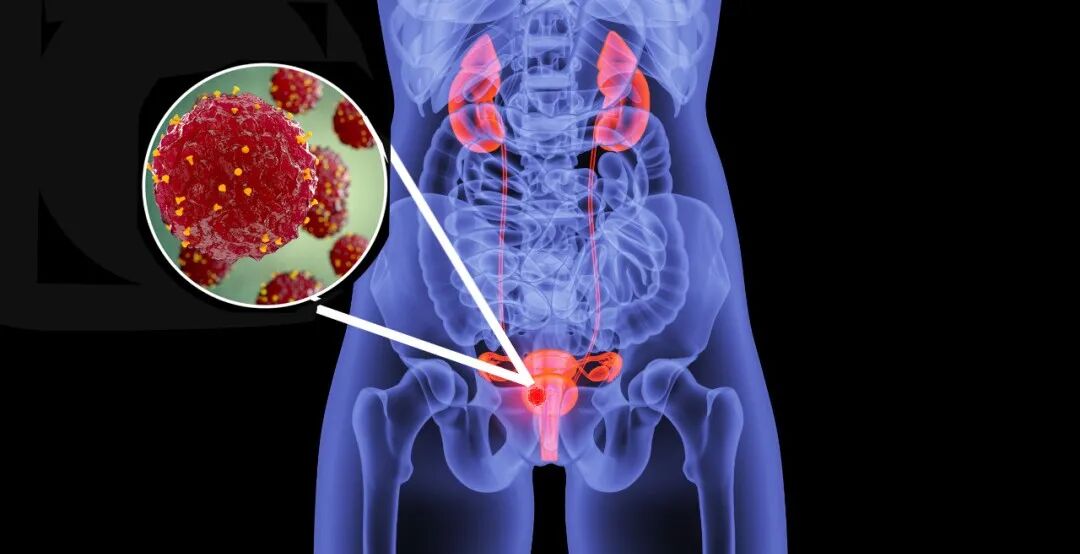
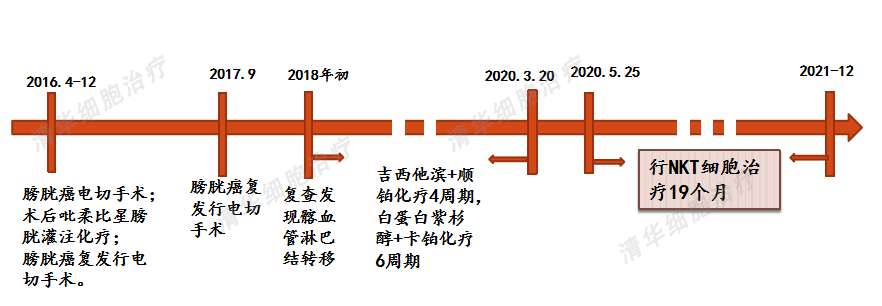
More than 80% of patients with bladder cancer initially present with painless hematuria, but smoking is the most common risk factor for bladder cancer, accounting for about 70% of male bladder cancer cases. Therefore, patients who experience painless hematuria and have a long history of smoking should seek medical attention for investigation. In April 2016, Mr. Xi presented with painless gross hematuria and was subsequently diagnosed with bladder cancer. He underwent immediate transurethral resection of bladder cancer, and postoperative pathology revealed high-grade urothelial carcinoma, involving the lamina propria (without muscular layer), with visible vascular cancer thrombus . Fortunately, the stage was T1N0M0, and he was treated with pirarubicin bladder instillation chemotherapy. Department
Pu
Smallknowledge
What is a high-grade tumor?
What is vascular cancer? What is a thrombus? High-grade tumors have low differentiation, with tumor cells being more primitive, meaning they differ more significantly from normal tissue cells, exhibit higher pleomorphism, and are more malignant; low-grade tumors have high differentiation, with tumor cells being more mature, meaning they differ less significantly from normal tissue cells, exhibit lower pleomorphism, and are less malignant. The presence of vascular cancer thrombus indicates that tumor cells have infiltrated deep into the body, entering the vascular and lymphatic networks. Even after surgery, tumor cells may still persist in the body, leading to a high risk of recurrence and metastasis.
But even for early-stage cancer that has undergone conventional treatment, it does not mean that patients can rest easy, as residual cancer cells still lurk around. Just six months after the surgery, Mr. Xi experienced a recurrence. Nine months later, he had a second recurrence! Mr. Xi had to undergo multiple cystoscopic electroresection procedures to address the issue. However, frequent surgeries could not completely solve the problem of "spring breeze bringing new growth". Three months later, in early 2018, Mr. Xi's follow-up examination revealed iliac vascular metastasis! He was treated with four cycles of gemcitabine plus cisplatin chemotherapy. Facing the frequent harassment of the disease, Mr. Xi was in great pain. The follow-up examination in 2019 once again shattered Mr. Xi's hopes - it was found that the retroperitoneal, iliac lymph nodes, and parasternal nodules had increased and enlarged compared to before, suggesting metastasis. He then underwent six cycles of albumin paclitaxel plus carboplatin chemotherapy. We can see that the cyclic treatment mode of surgery plus chemotherapy did not suppress Mr. Xi's tumor, indicating that his tumor was not sensitive to most current chemotherapy drugs and may even have developed resistance, causing a great burden on his body. Mr. Xi was physically and mentally exhausted. Just when he felt lost, an article showcasing a case came into his sight. He learned that NKT cell immunotherapy had a large number of effective cases in suppressing recurrence and metastasis. Through a friend's recommendation, Mr. Xi contacted Professor Zhang Minghui's team at Tsinghua University School of Medicine. After reviewing Mr. Xi's medical records, Professor Zhang made the following analysis and judgment: 1. The patient discovered the bladder tumor in time and underwent radical surgery, completed postoperative conventional chemotherapy, and fortunately, the clinical stage was early. 2. However, the pathological results revealed high-risk factors - "high-grade tumor" and "vascular tumor thrombus". The traditional surgery + chemotherapy regimen was not effective in addressing the issues of recurrence and metastasis. Mr. Xi experienced recurrence after only six months, and despite undergoing three surgeries and two rounds of chemotherapy within two years, the disease remained uncontrolled. This was further evidenced by the recurrence of iliac vein metastasis. The multiple treatments also caused him significant side effects. 3. Therefore, the most important thing for Mr. Xi at present is to contain the active cancer cells and prevent a fifth recurrence or metastasis. NKT cell immunotherapy has unique advantages in this regard, which can kill residual tumor cells, prevent the aggregation of free cancer cells, and effectively reduce the risk of metastasis and recurrence. Furthermore, it has no significant side effects and is patient-friendly. Mr. Xi underwent NKT cell immunotherapy in May 2020 and has completed 17 courses over a total of 19 months (as of December 2021). During this period, multiple follow-up examinations revealed no signs of significant tumor progression, and the overall assessment is stable!
Image Aspects
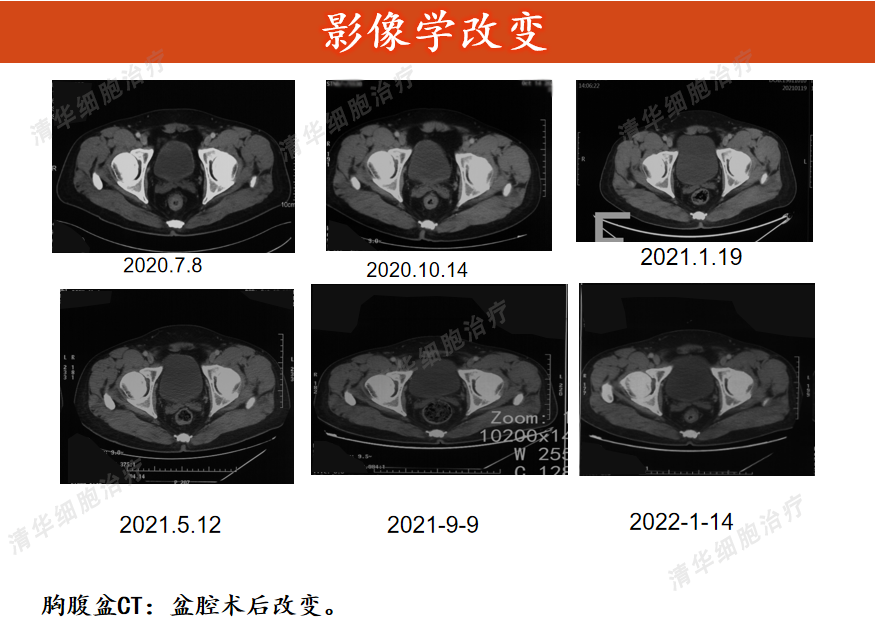
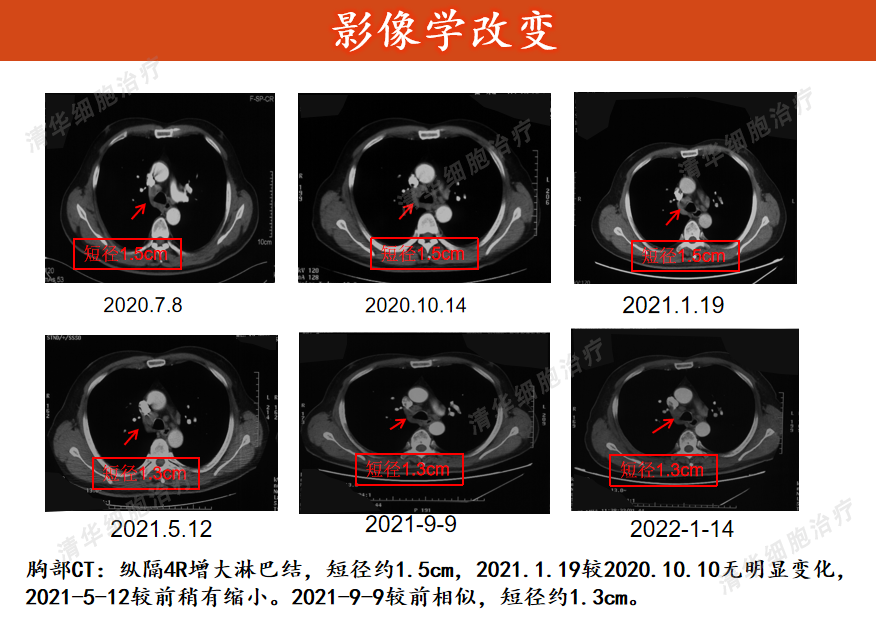
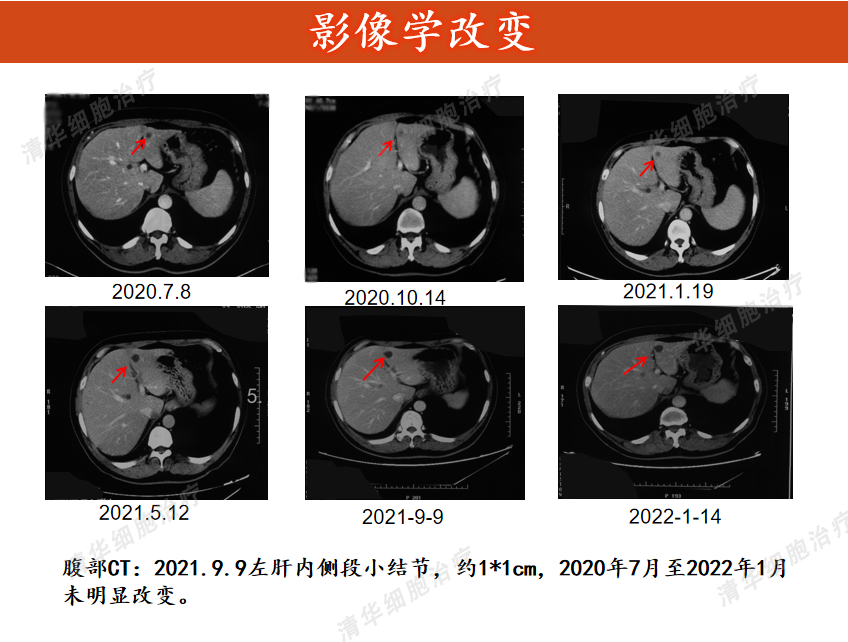
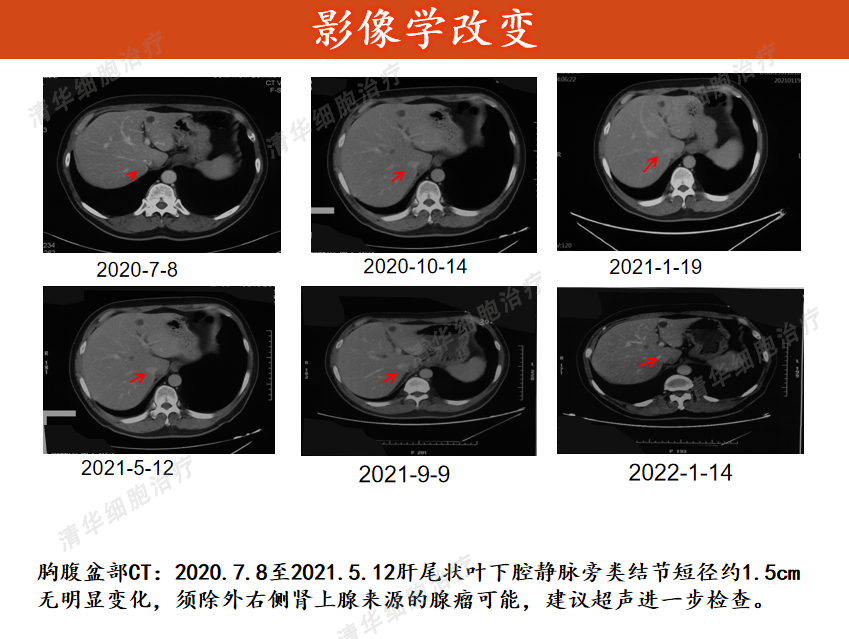
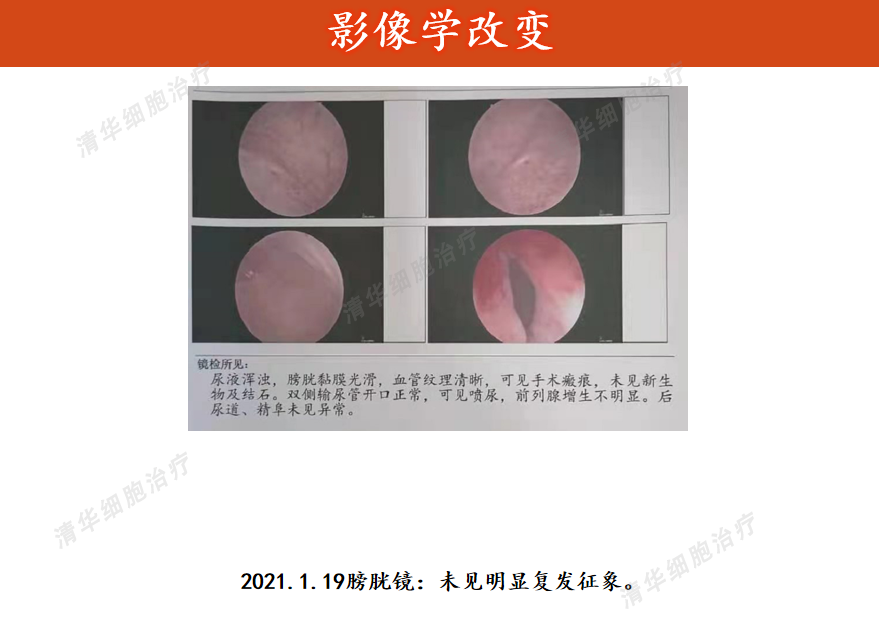
Imaging review of thoracoabdominal and pelvic CT showed: mediastinal 4R lymph node enlargement, with no significant change, with a short diameter of approximately 1.3cm from May 2021 to January 2022, slightly shrinkingcompared to previous findings; in January 2022, a small nodule was found in the medial segment of the left liver, approximately 1*1cm, with no significant changecompared to previous findings, the largest retroperitoneal lymph node had a short diameter of 0.8cm, with no changecompared to previous findings, follow-up is recommended. From July 8, 2020 to January 2022, the short diameter of the nodule adjacent to the inferior vena cava in the caudate lobe of the liver was approximately 1.5cmwith no significant change, and it is necessary to exclude the possibility of adenoma originating from the right adrenal gland. Further ultrasound examination is recommended. Postoperative changes in the pelvic region; cystoscopy on January 19, 2021showed no obvious signs of recurrence
Quality of Life
During nearly two years of NKT treatment, Mr. Xi's physical condition has significantly improved, with a weight gain of 1-3kg. He reported that he has fewer colds and fever in spring and winter compared to before, and his quality of life is excellent, with a score of 83 (previously 80.5).
Conclusion Theory
Mr. Xi achieved his expected treatment goals after adopting NKT cell therapy. Now, nearly a year and a half later, the latest assessment result remains stable with no progression. The recurrence issue that remained unresolved despite multiple chemotherapy regimens has been well stabilized after NKT treatment. Let's look forward to the follow-up presentation next year. Popular science knowledge is provided for reference only, and individual patients should follow clinical medical advice. NKT classic case review Click on the image to view