About Lehe
乐于心,和与众,与己乐,与人和; 心宽念纯,百病无生。


乐于心,和与众,与己乐,与人和; 心宽念纯,百病无生。


Immunotherapy for tumors has received increasing attention in recent years and has gradually been accepted by clinicians and patients. It is the fourth method besides traditional surgery, radiotherapy, and chemotherapy. From the current perspective, immunotherapy is a very effective method for controlling tumor metastasis and recurrence.
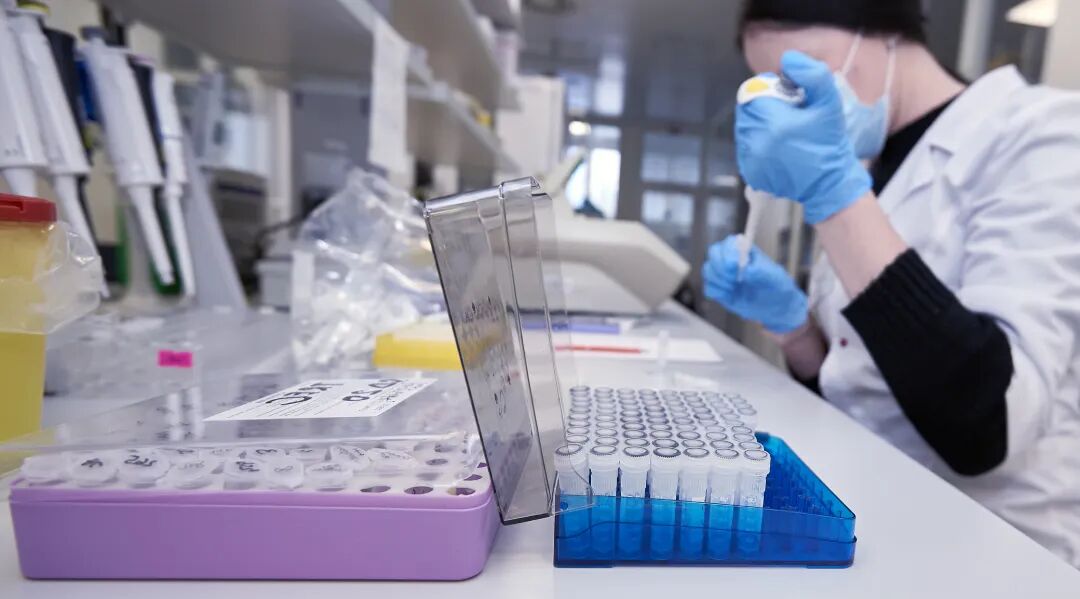
Adoptive cellular immunotherapy is an important type of immunotherapy, which involves manipulating autologous or allogeneic immune cells in vitro and then reinfusing them back into the human body to achieve functions such as killing tumor cells. The core of this treatment method is to utilize the natural functions of immune cells and enhance their therapeutic effect through in vitro techniques. vNKT cell immunotherapy is one type of adoptive cellular immunotherapy! What are the differences between vNKT cell therapy for tumors and chemotherapy, radiotherapy, and targeted drug therapy? And what are its own characteristics?
vNKT cell therapy for tumors
What are the characteristics that differentiate it from chemotherapy, radiotherapy, and targeted drugs?
The principle of vNKT cell immunotherapy is to form a good control over residual tumor lesions by enhancing the patient's immunity, which is also the fundamental principle of immunotherapy.
Traditional treatment methods, which take effect quickly and are very effective in rapidly reducing tumor burden, and if targeted appropriately, can achieve significant short-term efficacy. However, this is only a temporary solution and is prone to drug resistance.
Chemoradiotherapy usually induces regulatory cell death by increasing the level of reactive oxygen species (ROS) in tumor cells. However, as the intracellular ROS concentration increases, cancer cells simultaneously upregulate many antioxidant pathways to inhibit ROS production, ultimately leading to drug resistance.
Targeted drugs block cancer cell growth by targeting specific molecular "targets" essential for tumor growth, but there are always some cancer cells in the tumor that can evade the attack of targeted drugs and undergo new mutations. Over time, these cancer cells "evolve" into a new "drug-resistant" population, and the drugs can no longer be effective. The drug resistance developed by patients greatly limits the effectiveness of treatment.
vNKT cell immunotherapy, on the other hand, is not simply about killing tumors. It not only kills tumor cells but also precisely identifies and effectively attacks the microenvironment that tumor cells rely on for survival, thus achieving better tumor control effects.
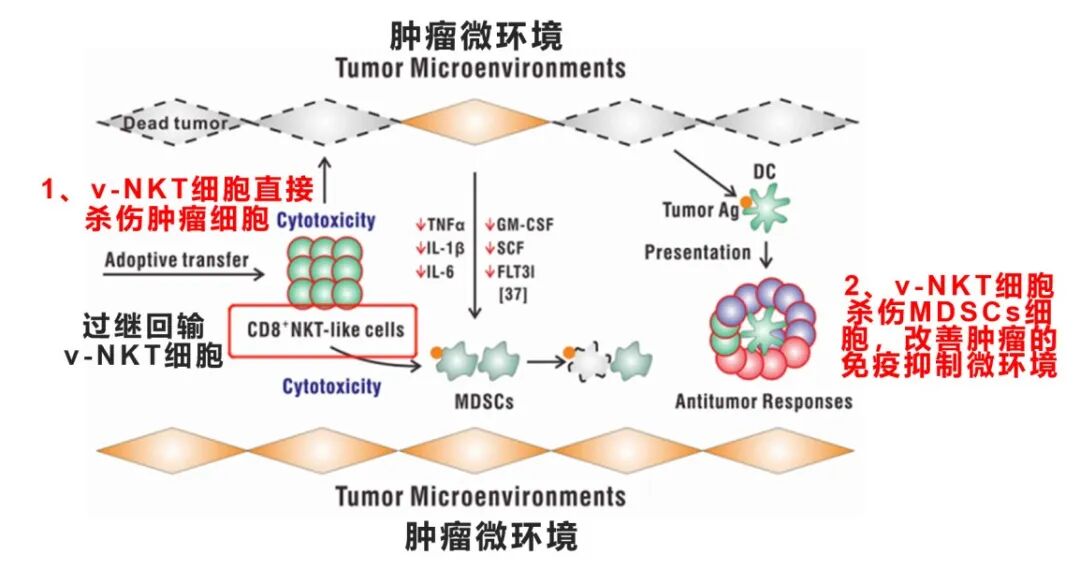
Figure 1: Principle of vNKT Cell-Based Tumor Therapy: Adoptive transfer of vNKT cells (CD8+ NKT-like cells) achieves the effect of improving the tumor microenvironment and eliminating tumors by directly killing tumor cells and MDSCs carrying tumor antigens. [1]
vNKT cells exhibit bidirectional anti-tumor effects. They not only possess the important characteristics of NK cells and CD8+ T cells, allowing them to rapidly kill tumor cells, but also regulate the microenvironment within cancer tissues, eliminate inhibitory immune cells MDSCs, and improve the immunosuppressive microenvironment of tumors, as shown in Figure 1. Currently, vNKT cell immunotherapy is a highly effective method for controlling tumor metastasis and recurrence. Therefore, the relationship between immunotherapy and traditional surgery, radiotherapy, and chemotherapy is complementary and closely coordinated.
How to cooperate with each other?
The treatment of tumors is a concept of comprehensive treatment, which emphasizes the mutual cooperation and rational application of various treatment methods. Therefore, it requires both traditional surgery, radiotherapy, and chemotherapy to rapidly reduce tumor burden and alleviate symptoms, as well as vNKT cell immunotherapy to consolidate the early treatment effect and prevent tumor recurrence and metastasis.

If we compare the comprehensive treatment of tumors to a battle, surgery can be likened to the vanguard, capable of quickly removing tumor lesions; however, if metastasis has occurred and surgery is not feasible, radiotherapy or chemotherapy may be considered based on the tissue type, akin to the main force of the army. These traditional treatment methods are palliative, aiming to directly eliminate tumors, but none of them can completely eradicate or eliminate tumors. Theoretically, as long as a "seed" remains, there is a risk of recurrence. vNKT cell immunotherapy, on the other hand, acts as the rear guard, targeting those stubborn and cunning residual tumor cells that have not been eliminated by chemotherapy or radiotherapy, preventing these sparks from causing a prairie fire.
What is the therapeutic effect of vNKT cell therapy?
Its efficacy is closely related to the timing of interventional tumor treatment. Firstly, it is necessary to relieve the tumor burden, which is the time when the residual tumor is minimal. By adopting adoptive transfer of vNKT cells, the anti-tumor cell components can be rapidly increased, and at the same time, the patient's own immune system can be mobilized to effectively control the residual cancer cells in a timely manner. The ideal state of immunotherapy is to reverse the patient's immunosuppression and activate their own anti-tumor immunity, which can effectively eliminate tumor cells that may remain in the body but cannot be detected by existing technical means, thereby effectively preventing tumor recurrence and metastasis.

Which tumors are suitable for immune cell therapy?
Whether a patient can benefit from vNKT cell immunotherapy depends on the stage of their disease!
If the tumor is in the early stage at the time of initial diagnosis and there is still a chance for surgery, the tumor burden can be effectively reduced through surgery, quickly controlling the disease. However, situations such as "lymph node metastasis" or "vascular thrombus" indicate a high risk of recurrence and metastasis, which is the best opportunity for vNKT cell immunotherapy: On the one hand, vNKT cells can effectively eliminate scattered tumor cells that current technology cannot detect. On the other hand, by enhancing the body's immune response, vNKT exerts a powerful immune surveillance function, preventing residual tumor cells from proliferating and forming new lesions, thereby greatly reducing the risk of recurrence and metastasis. Immunotherapy plays a supporting role in the systemic treatment of tumors. Therefore, the earlier patients undergo immunotherapy when the tumor burden is minimal, the sooner they can benefit.

For those patients who have already been diagnosed at an advanced stage or have experienced recurrence and metastasis, although they have missed the opportunity for surgery, effective disease control can still be achieved through radiotherapy and chemotherapy. On this basis, vNKT cell immunotherapy can effectively help control disease progression, allowing patients to coexist with cancer, treat the tumor as a chronic disease, maintain a normal life, and even achieve clinical cure in some cases.
For extremely advanced patients who have already experienced extensive metastasis, vNKT cell therapy can play a relatively weaker role in improving patients' quality of life and alleviating their pain.
Therefore, seizing the opportunity when surgery, radiotherapy, and chemotherapy can effectively control the disease and initiating vNKT immunotherapy as early as possible are the most important strategic deployments to win the battle against cancer.
What are the advantages of vNKT cell therapy?
Since vNKT cell immunotherapy utilizes lymphocytes from healthy individuals or patients, which originate from the human body, it has essentially no side effects compared to traditional treatment methods. Although occasional accompanying reactions may occur, they are merely similar to cold symptoms, such as chills, fever, fatigue, dizziness, nausea, and vomiting, which do not cause damage to the body and are painless. Moreover, it is very convenient to implement, requiring only intravenous reinfusion.
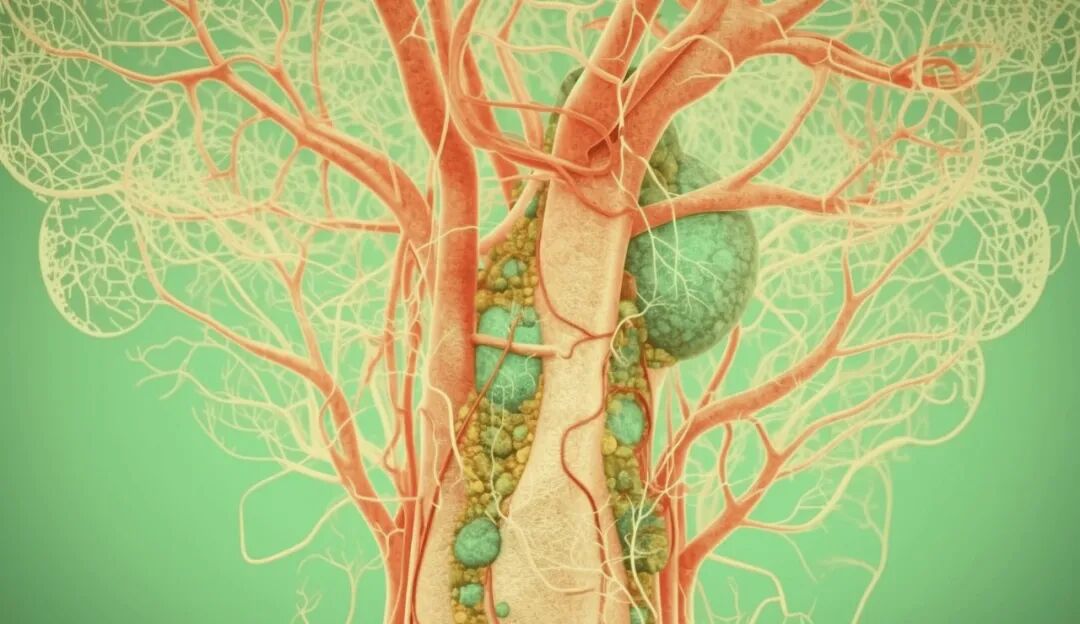
The most important role of vNKT cell immunotherapy is to help improve the body's immune ability, completely eliminate residual cells and small metastatic lesions in the body, rebuild and improve the patient's own immune function, and comprehensively identify, search, and kill diseased cells!
Although the improvement of immune function brought by vNKT cell therapy is very helpful for controlling metastasis and recurrence in both early, middle and late stage cancer patients, seizing the opportunity of surgery, radiotherapy and chemotherapy to effectively control the disease and carrying out vNKT immunotherapy as early as possible is still the first choice for smart patients to fight against tumors.
Reference source:< H76>
Written by: Cao Tingting
Reviewed by: Qiao Jiacheng, Wang Ying, Gao Chen
Edited/typeset by: Zhang Jiao

Scan QR code
Communicate with Professor Zhang Minghui's team



Address: Room 1101 (Unit 101), 11th Floor, Building 1, No. 7 Courtyard, Kexueyuan Road, Life Science Park, Changping District, Beijing
Phone:010-8265 9866
Email:lehemedneo@hotmail.com