Contact Us Careers
Other Solid Tumors

How to treat high-grade malignant early-stage leiomyosarcoma without waiting for recurrence and metastasis?

时间:2026-04-16 人气:
           
Click on the blue text to follow us            


Leiomyosarcoma              
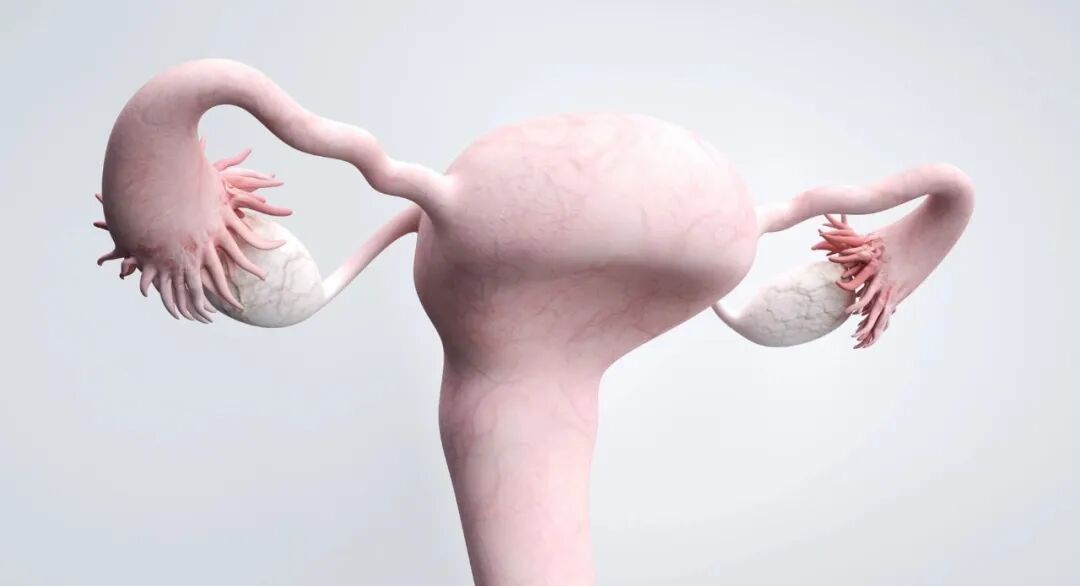
is a rare malignant tumor that originates from smooth muscle tissue and can occur in various parts of the body. It has high invasive and metastatic capabilities. Leiomyosarcoma accounts for 50-60% of uterine sarcomas. The risk of being diagnosed with leiomyosarcoma is higher in patients over 60 years old, black women, and those with solitary uterine tumors. Its clinical manifestations are nonspecific, and patients generally have no symptoms, which often leads to delayed diagnosis.              


01            


Disease Overview

Overview of the illness

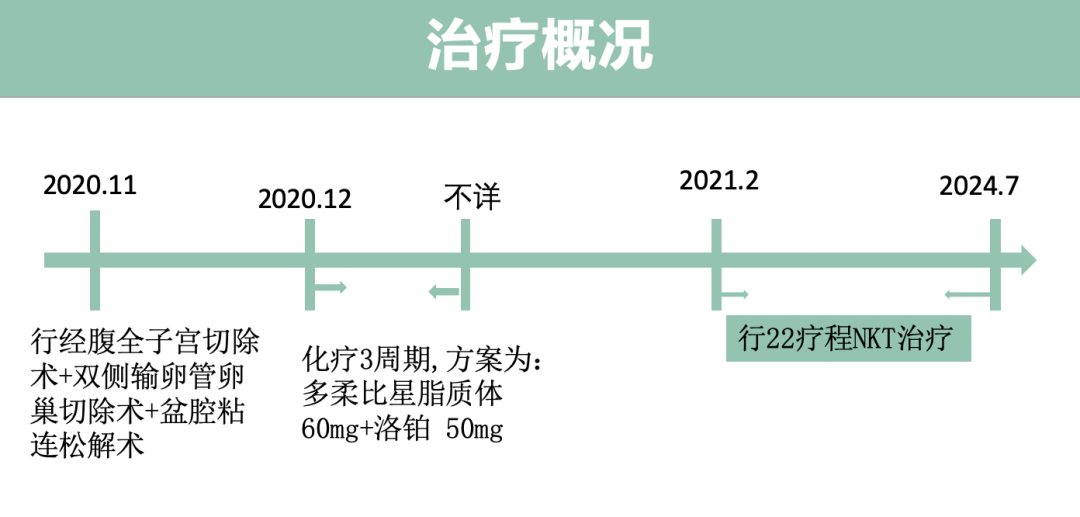
Ms. Cui, 51 years old, discovered a mass in the abdominal uterine area in 2020. She was treated for uterine fibroids, but the condition did not improve. At the end of October, she noticed that the mass in her abdomen had increased in size compared to before. On November 2, 2020, she went to the hospital for treatment. On November 5, she underwent abdominal hysterectomy, bilateral salpingo-oophorectomy, and pelvic adhesion release. Postoperative pathology revealed a spindle cell leiomyosarcoma in the uterus. The tumor was large, with significant cellular pleomorphism, and negative ER and PR. The tumor stage was early, but there was vascular thrombus. Vascular thrombus refers to the formation of cancer thrombus in the blood vessels or lymphatic system during the growth and proliferation of tumor cells. The presence of vascular thrombus indicates a higher probability of distant metastasis. Therefore, to prevent recurrence and metastasis, chemotherapy was started on December 19, 2020, at the Cancer Hospital of the Chinese Academy of Medical Sciences. The specific regimen was: doxorubicin liposome 60mg + lobaplatin 50mg, for 3 cycles    


Although Ms. Cui's traditional treatment has temporarily come to an end, the usual approach is only to undergo regular postoperative follow-ups and visits (with visits every 3 months for the first 2-3 years, and then every 6-12 months thereafter; follow-up content includes a full physical examination, gynecological examination, imaging examination, etc.), and only when the tumor recurs and metastasizes again will the next stage of treatment commence. However, no patient would be willing to sit at home waiting for recurrence and metastasis to begin a new round of various treatments! Is there a method to intervene in advance, reduce the probability of such recurrence and metastasis, or even prevent them from occurring?    


How to prevent recurrence and metastasis without waiting passively?
 Treatment Cases 


Currently, the treatment methods for leiomyosarcoma include surgical resection, chemotherapy, and targeted therapy. However, leiomyosarcoma is less sensitive to chemotherapy and radiotherapy, and it has high invasiveness and a tendency for recurrence and metastasis, with a recurrence rate as high as 45% to 75%. The 5-year survival rate for patients with metastatic leiomyosarcoma after diagnosis is only 10% to 14% [1].    


The prognosis for leiomyosarcoma is extremely pessimistic. The various treatments Ms. Cui underwent not only significantly increased her financial burden but also left her body riddled with scars from medication. Ms. Cui was deeply worried and actively sought alternative methods online. Upon learning about Professor Zhang Minghui from Tsinghua University and the vNKT cell therapy technology, she delved into numerous case studies and discovered that many patients who aimed for prevention had remained symptom-free for over five years! This revelation gave Ms. Cui great confidence and prompted her to contact Professor Zhang Minghui's Lehe team.    


What is vNKT cell?        
The vNKT immune cell subpopulation discovered by Zhang Minghui's team at Tsinghua University possesses both the non-specific recognition function of NK cells and the specific recognition function of CD8+ T cells. Therefore, the dual anti-tumor effect of vNKT cells can rapidly kill tumor cells. It not only directly kills cancer cells but also kills inhibitory immune cells (Myeloid-derived suppressor cells, MDSCs are a heterogeneous group of cells derived from the bone marrow, with the ability to significantly negatively regulate immune responses. ), regulate the microenvironment within cancer tissues, and provide new hope for the treatment of solid tumors. Additionally, vNKT cells are obtained by collecting immune cells from healthy individuals, culturing and expanding them, and then infusing them back into patients, making treatment more feasible.        

   
After reviewing Ms. Cui's medical records and fully understanding her condition, Professor Zhang Minghui, after comprehensive evaluation by the Lehexin Medical team, provided the following second diagnosis and treatment suggestion:


Even in the early stage of tumor, do not underestimate it
Treatment Cases          


1. The tumor Ms. Cui has is highly malignant, and and the pathological results show the presence of large tumor, significant tumor cell pleomorphism, negative ER and PR, vascular thrombi, and other factors with a high risk of recurrence, all of which suggest a poor prognosis.      

     
2. Ms. Cui completed chemotherapy after surgery, but leiomyosarcoma is not sensitive to chemoradiotherapy, and surgery and chemotherapy cannot completely eliminate residual cancer cells in the body.      


3. After the surgery to reduce tumor burden, residual cancer cells in the body may come back. Next, it is necessary to eliminate tumor cells that cannot be detected by current technology to prevent tumor recurrence. vNKT therapy utilizes powerful immune cells to kill tumor cells that may remain in the body, with essentially no side effects. Combining vNKT cell therapy after reducing tumor burden can achieve systemic long-term stability.      


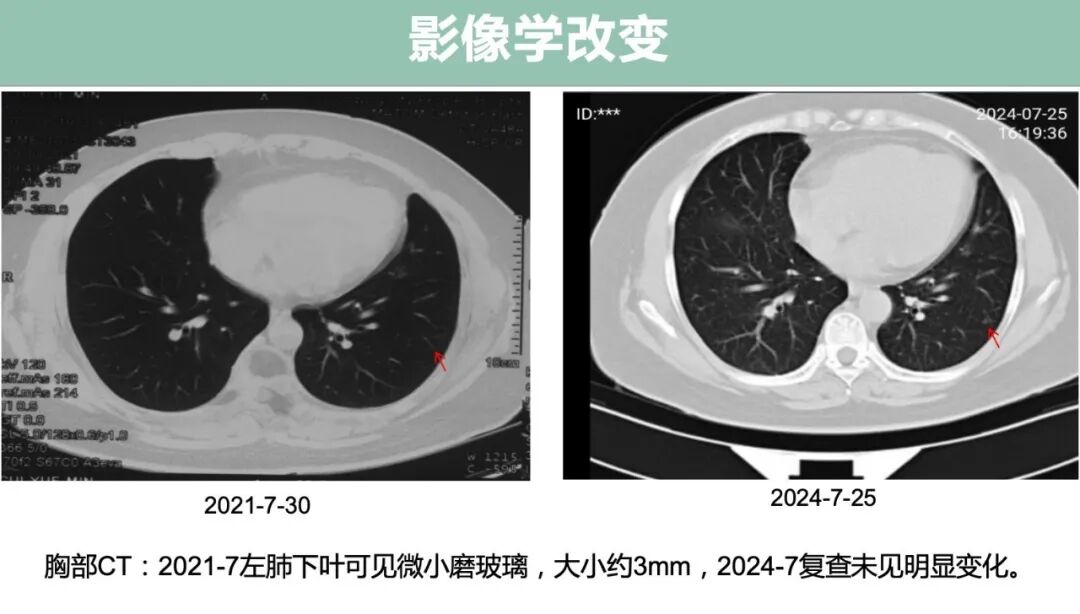
Ms. Cui received vNKT cell immunotherapy in February 2021, and has completed 22 courses so far. During this period, multiple follow-up examinations have shown no significant signs of tumor progression. Ms. Cui's physical condition has improved significantly, and she is living a normal life with more energy than before. Her quality of life is excellent, and her overall evaluation is stable!

02      


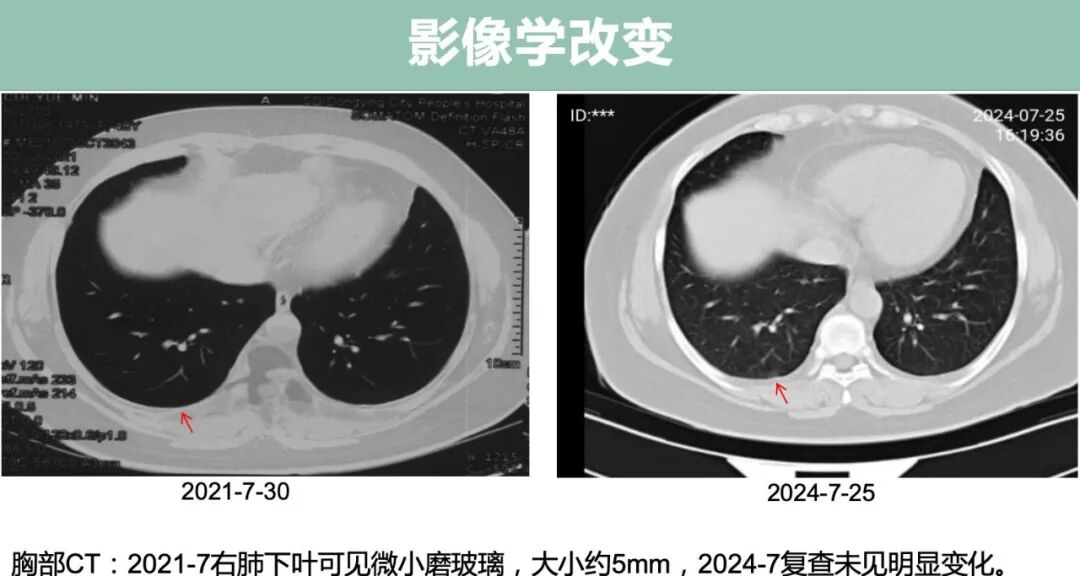
Imaging changes 

Imaging  changes


03      


Conclusion and Comments      

Conclusion  and Commentary


Uterine leiomyosarcoma is one of the common soft tissue sarcomas, which can be divided into extrauterine leiomyosarcoma or uterine leiomyosarcoma based on the primary site. Compared with reproductive system tumors such as ovarian cancer and cervical cancer, leiomyosarcoma is relatively rare, with an annual incidence rate of approximately 0.8 per 100,000 individuals, accounting for about 1% to 2% of uterine malignancies [1].  

 
The poor sensitivity of leiomyosarcoma to chemoradiotherapy means that the available treatment options are limited, while vNKT cell therapy provides patients with a new choice. vNKT cell therapy activates and enhances the patient's own immune system, helping to improve the body's ability to monitor tumors, thereby preventing tumor recurrence and metastasis in the long term after treatment. At the same time, we see that Ms. Cui's determination to never give up and actively seek breakthroughs in the face of rare diseases has also brought her hope for clinical cure. Early use of vNKT cell therapy after tumor surgery can effectively eliminate residual tumor cells in the body, which is of great significance for reducing postoperative recurrence rates, improving prognosis, and increasing cure rates, especially for some highly malignant tumors with a high risk of postoperative recurrence. vNKT cell therapy should be an indispensable component of the overall treatment plan. We believe that with in-depth research and continuous improvement of vNKT cell therapy, more and more tumor patients will benefit from it and embrace a healthy and beautiful life again.  


Lian
is a
I
         
Scan QR code          
Communication with Professor Zhang Minghui's team


Click on the image to view past exciting content


References:

[1] Wang Chenying, Xiao Huiyin, Zhu Zhipeng, et al Molecular genetic characteristics and research progress of uterine leiomyosarcoma [J]. Genetics, 2024, 46(08): 603-626. DOI: 10.16288/j.yczz.24-132.



Contributed by: Zhao Tuantuan
Reviewed by: Qiao Jiacheng, Wang Ying, Gao Chen
Edited/typeset by Zhang Jiao


Reposting is a driving force, sharing is a virtue