Contact Us Careers
Intestine Cancer

How to contain the two postoperative metastases of advanced rectal cancer?

时间:2026-04-16 人气:

In 2013, Mr. Xu noticed blood in his stool and initially mistook it for hemorrhoids, so he did not pay much attention. After a year, with no significant improvement, he underwent a colonoscopy, which revealed rectal cancer. Mr. Xu immediately underwent radical resection for rectal cancer in July 2013. Postoperative pathology showed moderately differentiated adenocarcinoma with extensive infiltration, involving perirectal adipose tissue and extensive lymphovascular infiltration. Tumor metastasis was observed in five perirectal lymph nodes, accompanied by lymphatic and extramural venous infiltration. The clinical stage was T3N2aM0 (IIIB). Postoperative chemotherapy with 8 courses of oxaliplatin and xeloda was administered.
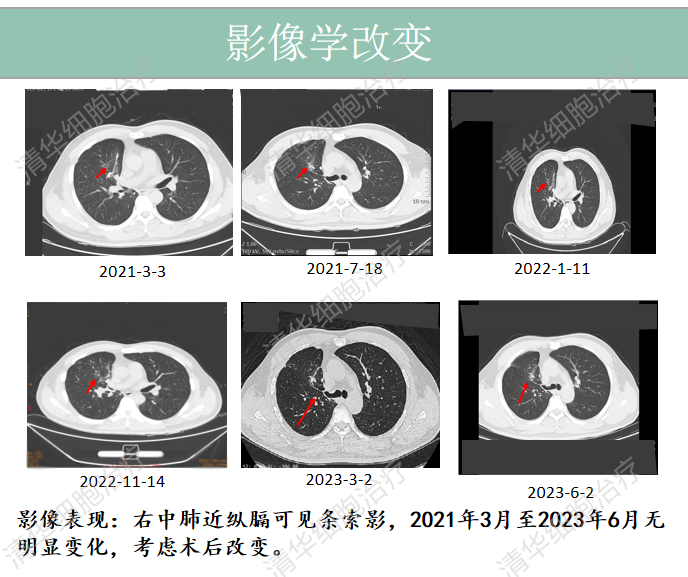
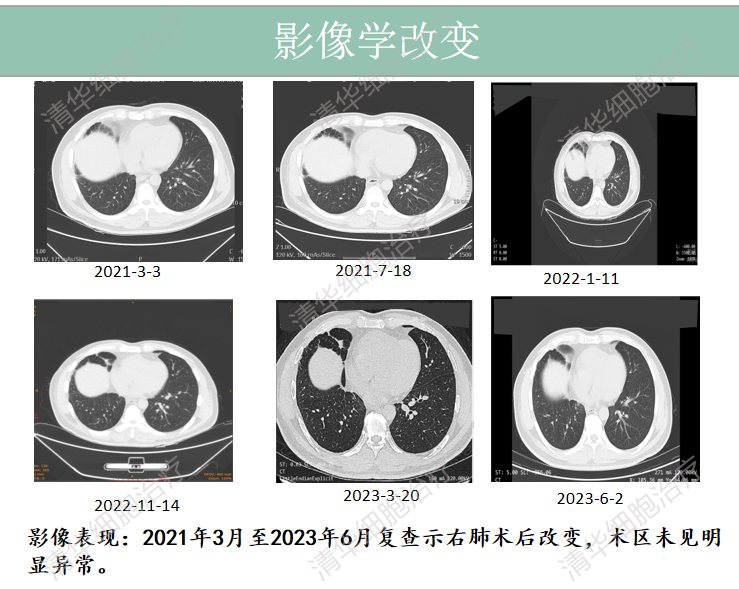
In March 2018, Mr. Xu discovered three nodules in his right lung during a chest CT scan, which were confirmed to be lung metastases from rectal cancer. In April 2018, he underwent TOMO radiotherapy for the lung nodules. In January 2019, he underwent resection for the remaining lung nodules.  However, just nine months later, Mr. Xu's follow-up PET/CT scan revealed the emergence of carina lymph node metastases. He had to undergo carina lymph node resection and treatment with irinotecan, cetuximab, and temozolomide.

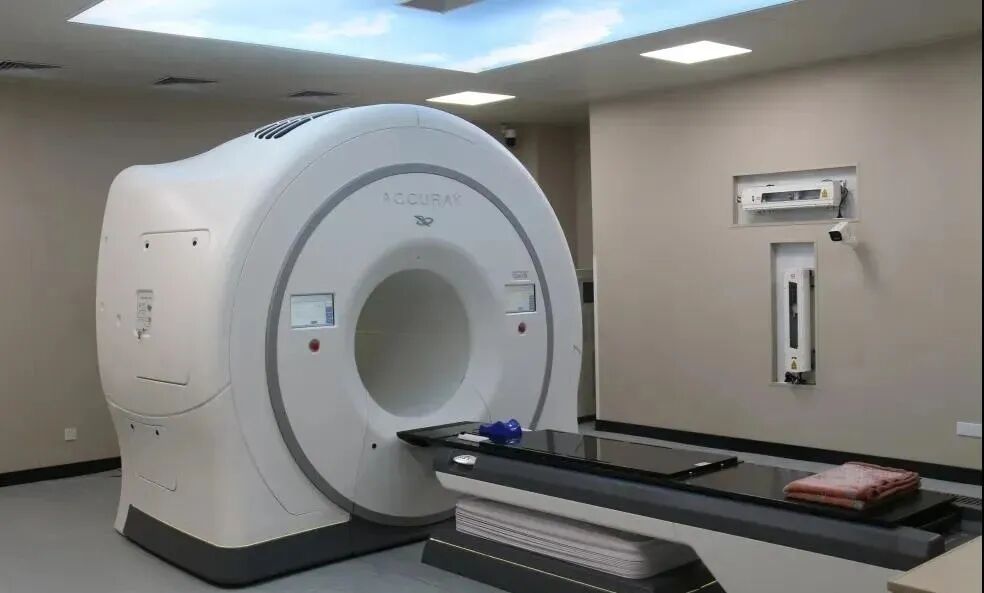
Tomotherapy (TOMO)

The tomotherapy (TOMO) system is a photon-based intensity-modulated radiation therapy system that utilizes the helical CT tomographic imaging principle. It integrates intensity-modulated radiation therapy (IMRT), image-guided radiation therapy (IGRT), and dose-guided intensity-modulated radiation therapy (DGRT). It performs scanning using helical CT, with 360° continuous rotation and 51 arcs for irradiation. TOMO is currently the only image-guided radiation therapy system that uses radiotherapy irradiation and CT as the same source. Its imaging accuracy is up to ±0.1mm, far higher than that of conventional accelerators.  
TOMO has advantages in the treatment of malignant tumors such as nasopharyngeal cancer and other head and neck tumors, cervical cancer, lung cancer, and other tumors that are close to important organs, have complex and special anatomical structures, are large in length and scope, and have multiple lesions. TOMO can be used to treat malignant tumors in the brain, head and neck, chest, abdomen, pelvic cavity, spinal cord, and other areas that are close to important organs, have complex and special anatomical structures, are large in length and scope, and have multiple lesions.  
The TOMO radiotherapy system can be used for special treatments that have been difficult to solve in clinical practice, such as whole central nervous system irradiation, whole spinal cord irradiation, and whole lymph node irradiation. Precise radiotherapy effectively improves patient survival rates and reduces the incidence of complications, bringing good news to a large number of cancer patients.  


Although rectal cancer has a relatively good prognosis among gastrointestinal malignancies, Mr. Xu's pathological report reveals that: the tumor had already undergone extensive infiltration at the time of discovery - cancer cells were found infiltrating both lymphatic vessels and extramural veins of the intestinal wall, and there was also metastasis to five lymph nodes. Typically, tumors grow by infiltrating deep into the intestinal wall, where there are abundant lymphatic vessels and blood vessels responsible for lymphatic fluid return and nutrient exchange in the intestine. These vessels lead to various parts of the body, and "infiltration" means that cancer cells have already appeared in these tiny vessels and have migrated outward. Even after undergoing radical surgery to remove the main lesion, it indicates a higher risk of future metastasis and recurrence. Five years later, Mr. Xu was diagnosed with metastatic lesions twice.
The repeated recurrences caused Mr. Xu great pain, prompting him to seek the help of Professor Zhang Minghui's vNKT treatment team at Tsinghua University School of Medicine. After carefully reviewing the case presentations of vNKT cell therapy, he particularly hoped to try it to slow down the tumor progression.
After carefully reviewing Mr. Xu's medical records, Professor Zhang Minghui made the following analysis and judgment:
1. In 2020, the patient was diagnosed with colon cancer and underwent surgical treatment.  

2. The patient's multiple recurrences after surgery are manifestations of high malignant potential of the tumor, which had accumulated in surrounding tissues and metastasized to lymph nodes before surgery.

3. After the appearance of metastasis, the patient underwent radical treatment for multiple metastatic foci through radiotherapy and surgery, which significantly reduced the tumor burden and created favorable prerequisites for cellular immunotherapy.

4. vNKT therapy utilizes the patient's own immune cells to eliminate residual "invisible tumor cells," thereby reducing the risk of metastatic recurrence. Additionally, it has minimal side effects and is highly compatible and friendly to patients.
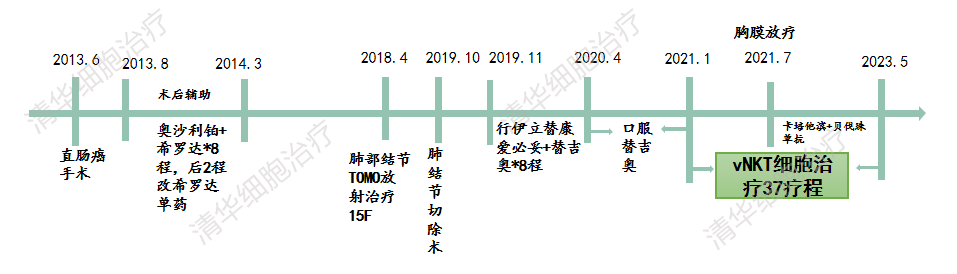

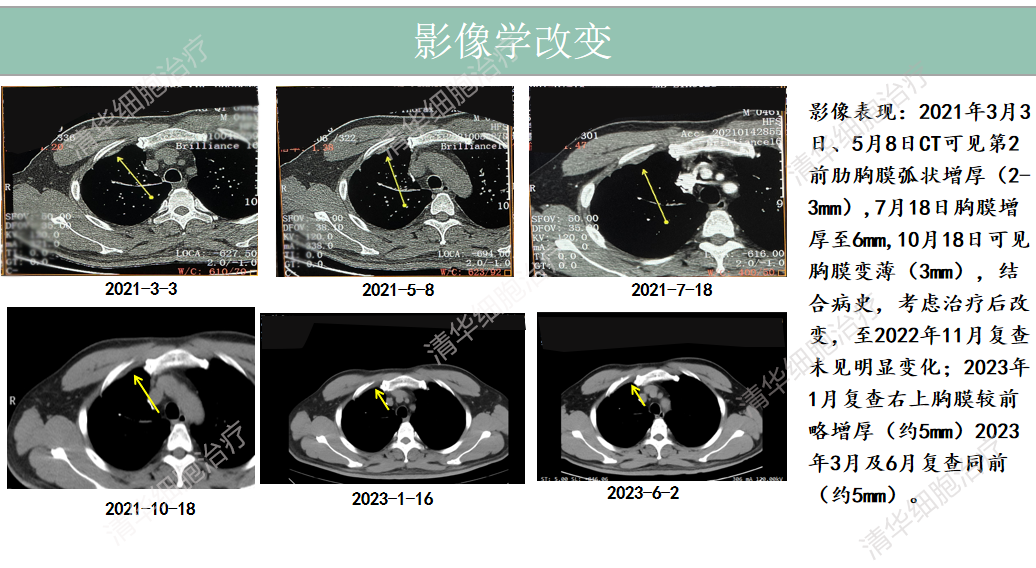
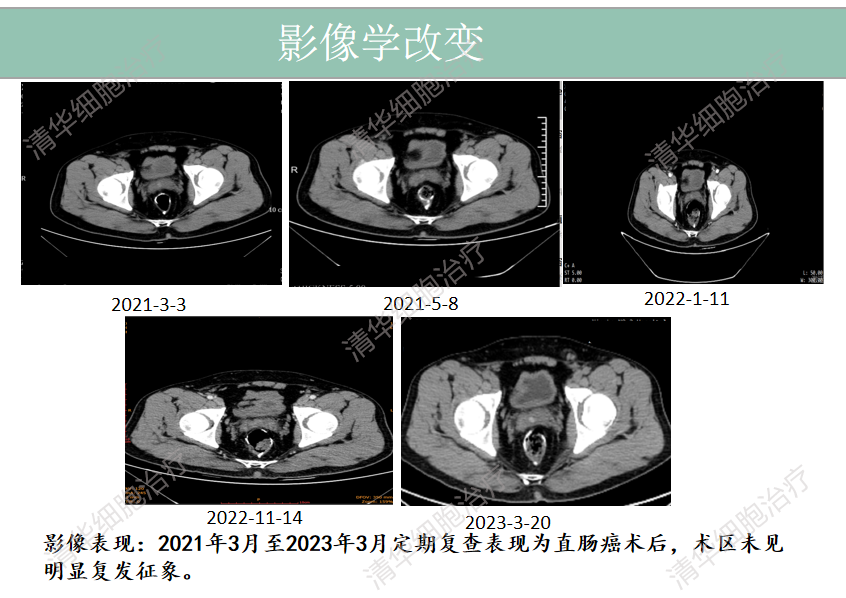
Mr. Xu underwent vNKT cell immunotherapy in January 2021 and has completed 37 courses as of June 2023. During this period, a chest CT scan on July 18, 2021, revealed localized thickening of the right pleura, suggesting metastasis. He underwent 5 rounds of radiotherapy and has been treated with capecitabine plus bevacizumab ever since.

CEA: No significant abnormalities were observed during follow-up from April 27, 2020, to August 5, 2020. From August 26, 2020, to May 2021, the values were slightly higher than normal (with overall fluctuations). In September 2021, they significantly increased, and after October, a significant decrease was observed upon reexamination. From February 2022 to May 2023, the values fluctuated above the normal range without a clear upward trend. Ferritin: From December 2020 to May 2023, except for May 2021, the values were all above normal. Regular reexamination and close monitoring are recommended. Mr. Xu reported that he is living and working normally, feeling more energetic than before, and experiencing fewer colds and fever episodes during spring and winter. He is very satisfied with his current quality of life. Colorectal cancer (CRC) is the third most common malignant tumor globally and the second leading cause of cancer-related deaths. According to statistics, 20% of patients with colorectal cancer have distant metastasis at the time of initial diagnosis. Furthermore, 50% to 60% of patients with colorectal cancer develop distant metastasis throughout the course of the disease, with 10% to 20% presenting lung metastasis, which is second only to liver metastasis. According to reports, the median survival time for patients with colorectal cancer and lung metastasis is 17.7 months, which is shorter than that of patients with colorectal cancer alone. [3]. Modern chemotherapy, targeted therapy, and immunotherapy can prolong the survival time and improve the quality of life for patients with colorectal cancer lung metastasis.
Due to the high malignancy and late postoperative staging, Mr. Xu's tumor had extensive infiltration at the time of detection - cancer cells were visible in lymphatic vessels and extramural veins of the intestinal wall, and there was metastasis to 5 lymph nodes. Cancer cells can colonize various parts of the body through blood flow, forming micro-lesions that can potentially remain hidden within the body. Regardless of the extent of resection of the primary cancer, it does not affect the continuous growth of metastatic lesions. vNKT therapy utilizes powerful immune cells to eliminate tumor cells that may remain undetected in the body, effectively delaying the occurrence of recurrence and metastasis.

References:

[1] BRAY F, FERLAY J, SOERJOMATARAM I, et al. Global cancer statistics 2018: GLOBOCAN estimates of incidence and mortality worldwide for 36 cancers in 185 countries[J]. CA: a cancer journal for clinicians, 2018, 68(6): 394-424.
[2] VAN DER GEEST L G, LAM-BOER J, KOOPMAN M, et al. Nationwide trends in incidence, treatment, and survival of colorectal cancer patients with synchronous metastases[J]. Clinical & experimental metastasis, 2015, 32(5): 457-465.
[3] CAVALLARO P, BORDEIANOU L, STAFFORD C, et al. Impact of single-organ metastasis to the liver or lung and genetic mutation status on prognosis in stage Ⅳ colorectal cancer[J]. Clinical colorectal cancer, 2020, 19(1): e8-e17.

Click on the image

to view