About Lehe
乐于心,和与众,与己乐,与人和; 心宽念纯,百病无生。


乐于心,和与众,与己乐,与人和; 心宽念纯,百病无生。


Colorectal cancer is one of the major public health issues worldwide [1]. According to reports, in 2020, there were 1,931,600 new cases and 935,200 deaths of colorectal cancer globally; it ranked third and second in the list of malignant tumors, respectively [2]. In China, there are more than 170,000 new cases and nearly 100,000 deaths annually, with a liver metastasis rate of over 25% [3-4]. According to statistics, the number of deaths from liver metastasis of colorectal cancer accounts for about 10% of the total cancer deaths globally [5]. Previous colorectal cancer registration data shows that the 5-year net survival rate for patients with liver metastasis of colorectal cancer ranges from 28.3% to 31.1%
. After undergoing surgery and chemoradiotherapy, patients' immune function is suppressed, and the tumor enters a dormant state. When it accumulates to a certain amount, it can cause recurrence and metastasis. Improving the survival rate of patients with liver metastasis of colorectal cancer is a challenge we need to overcome.


Neoadjuvant chemotherapy (NACT), also known as upfront chemotherapy, refers to chemotherapy administered before radical treatment (surgery, radiotherapy, etc.); whereas adjuvant chemotherapy refers to chemotherapy administered after radical treatment. Since the 1980s, NACT has been widely used as an important component of comprehensive cancer treatment for various early and advanced solid tumors.
The potential advantages of preoperative NACT include the following aspects:
(1) It can reduce the stage of locally advanced or advanced tumors, turning inoperable tumors into resectable ones and increasing the rate of complete resection.
(2) It can eliminate potential micrometastases and occult distant metastatic lesions in the blood.
(3) It can narrow the surgical scope, reduce the invasiveness of surgery, and increase the possibility of organ preservation.
(4) It can evaluate the sensitivity of chemotherapy drugs in patients' bodies, and pathological complete response can predict prognosis and guide subsequent treatment.
(5) It can reduce pathological risk factors for tumor recurrence, decrease patients' need for adjuvant radiotherapy or chemotherapy, and improve patients' quality of life due to better tolerance to chemotherapy before surgery.
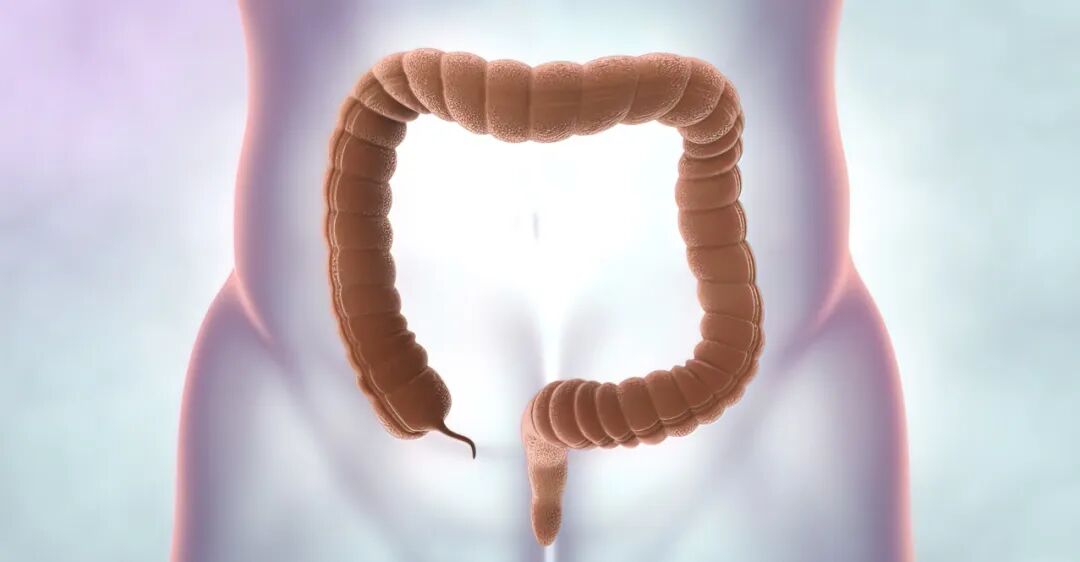
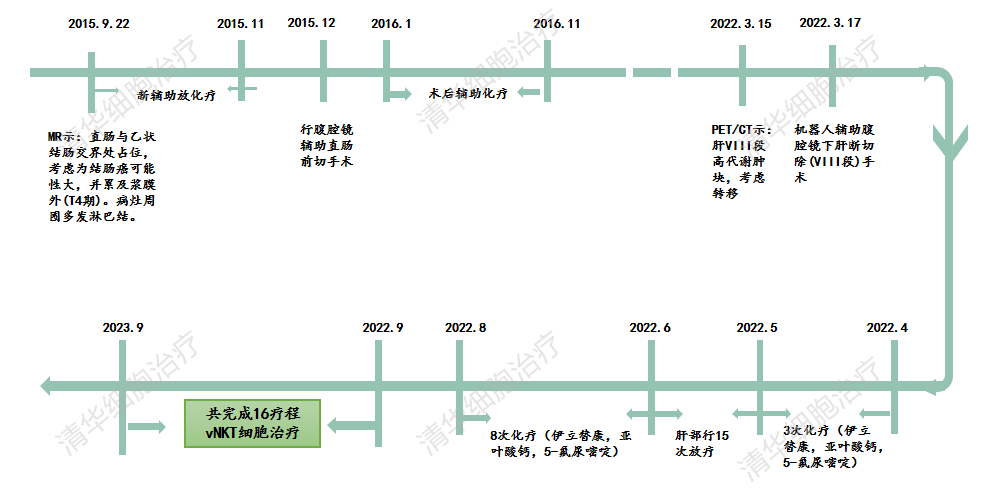
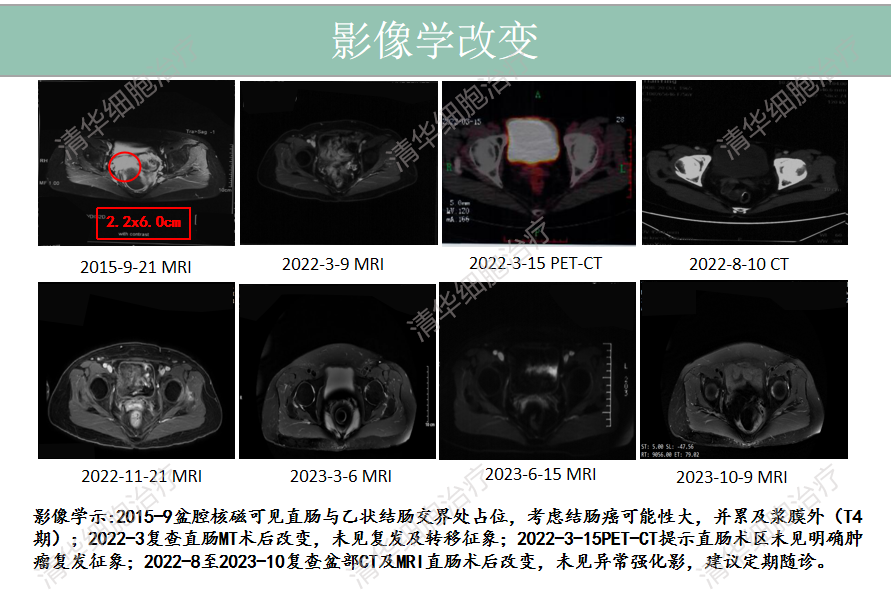
2. The patient's tumor has penetrated the muscular layer and infiltrated into the adipose tissue, with local lymph node metastasis. These are risk factors for future metastasis.
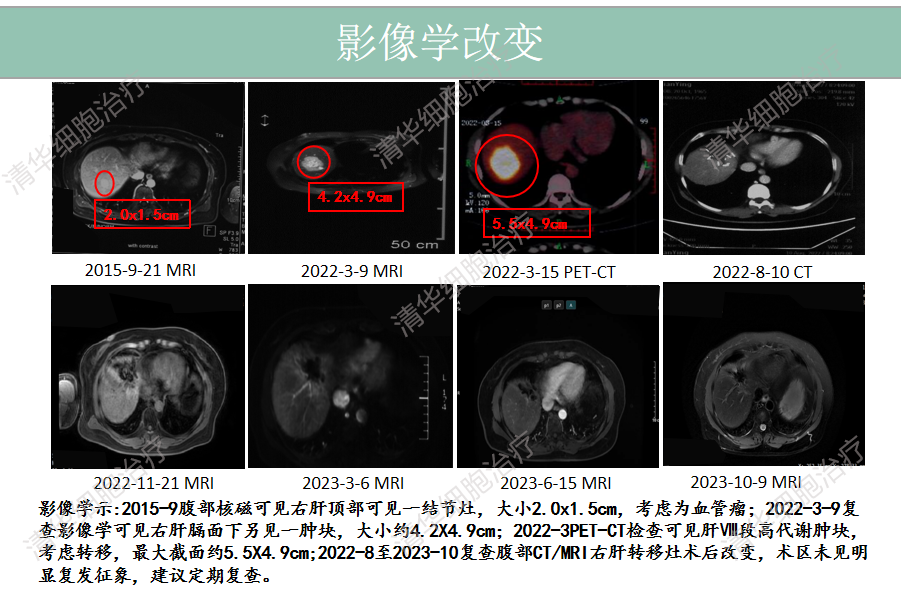
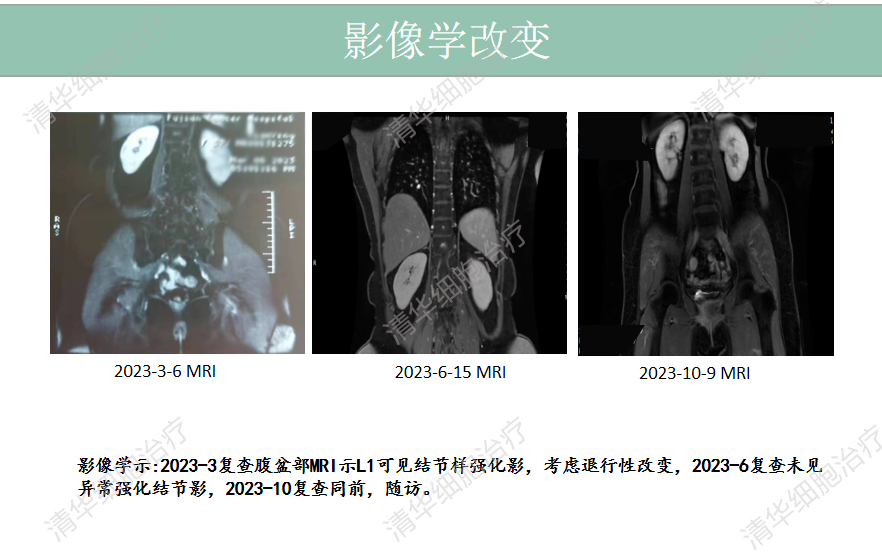
3. After discovering liver metastasis, the patient underwent surgical resection of the metastatic foci, but the tumor still poses a risk of recurrence.
4. vNKT therapy utilizes powerful immune cells to eliminate tumor cells that may remain undetected in the body, with essentially no side effects. Combined with vNKT cell therapy after surgical treatment, it can effectively reduce the incidence of tumor recurrence.



References:
Click on the image


Address: Room 1101 (Unit 101), 11th Floor, Building 1, No. 7 Courtyard, Kexueyuan Road, Life Science Park, Changping District, Beijing
Phone:010-8265 9866
Email:lehemedneo@hotmail.com