About Lehe
乐于心,和与众,与己乐,与人和; 心宽念纯,百病无生。


乐于心,和与众,与己乐,与人和; 心宽念纯,百病无生。

▲Click the blue text to follow us

According to data from The Lancet Regional Health-Western Pacific" , a sub-journal of The Lancet, and the "Public Guidelines for Gastric Cancer Risk Management in the Chinese Population (2023 Edition)" ", the incidence rate of gastric cancer in China accounts for 44% of the global total[1], ranking first globally. In 2022, there were approximately 509,000 new cases of gastric cancer in China, with a death toll of about 400,000, also leading the world[2].
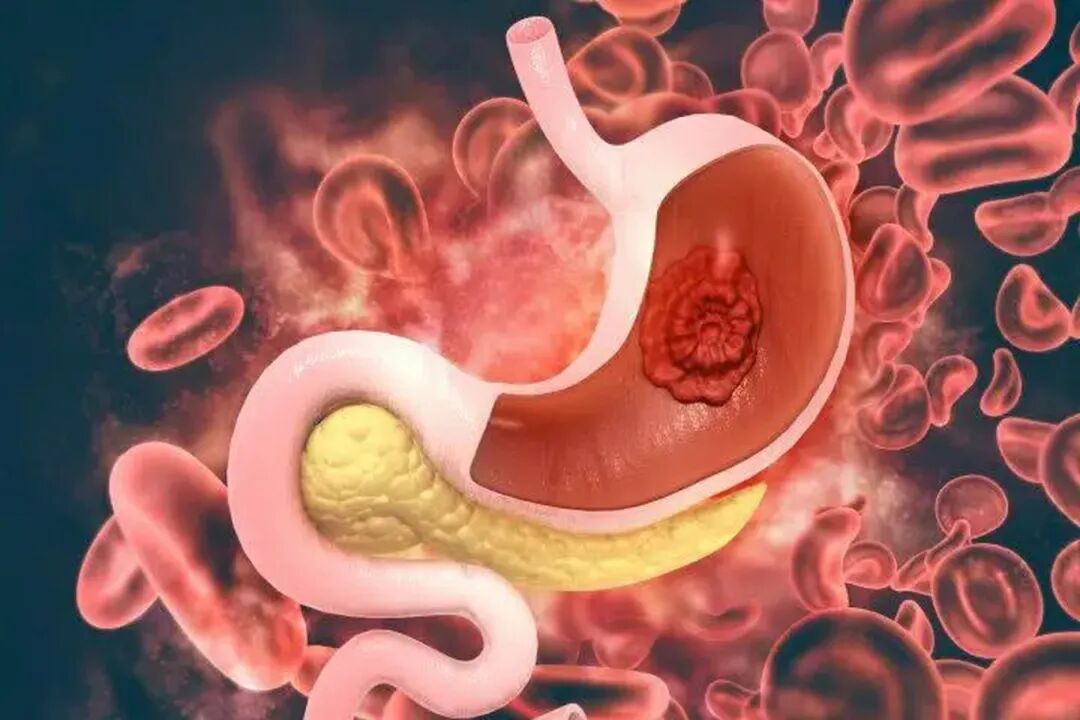
Gastric cancer, as one of the most common malignant tumors worldwide, poses a serious threat to human health. In recent years, with the deepening of medical research, new breakthroughs have been made in the prevention, diagnosis, and treatment of gastric cancer, bringing new hope for survival to patients with this disease.
Cell Immunotherapy - A New Hope for Gastric Cancer Treatment
The treatment of gastric cancer mainly includes surgical treatment, chemotherapy, radiotherapy, and targeted therapy. With the deepening understanding of the molecular mechanism of gastric cancer, individualized treatment and precision medicine have gradually become the new direction for the treatment of gastric cancer. Among them, cell immunotherapy, as the fifth major tumor therapy after surgery, chemotherapy, radiotherapy, and targeted therapy, has become a new hope for the treatment of gastric cancer.
What is cell immunotherapy?
Adoptive Cell Transfer Therapy (ACT), also known as adoptive cellular immunotherapy, is a treatment method that extracts immune cells from patients themselves or donors, cultures and activates them in vitro, and then re-infuses them into patients to enhance the immune system's ability to fight tumors or infections.
This therapy has undergone various stages, including TIL, LAK, CIK, DC, NK, TCR-T, CAR-T, NKT, and other types of immune cell therapies.
vNKT, as a novel adoptive cellular immunotherapy, possesses important characteristics of both NK cells and CD8+T cells (CD8+T cells are a type of T cell that exists in everyone's immune system), with more killing enzymes stored inside the cells (thousands of times more than NK cells and CD8+T cells). , has also achieved good results in the treatment of solid tumors, with significant efficacy.
Anti-cancer Special Forces - vNKT Immunotherapy
In 2002, Zhang Minghui, a professor of immunology from Tsinghua University, accidentally discovered a group of "giants" among the impurities that were thrown away. He was sensitive to the fact that these cells, which were seven or eight times larger than other cells, must have great potential. After multiple experiments, it was found that this group of NKT cells exhibited strong cancer-killing ability. Professor Zhang Minghui named this immune cell subpopulation as CD8+ NKT subpopulation (vNKT), nicknamed "Anti-cancer Special Forces". Since then, vNKT cells have become the "super killer" of cancer cells!
As a result, Professor Zhang Minghui's team took the lead in establishing a large-scale expansion method for vNKT internationally, and founded a new generation of anti-tumor immunotherapy technology based on vNKT.
In 2012, Zhang Minghui's team received special fund support from the Ministry of Science and Technology's "Twelfth Five-Year Plan" Major New Drug Development Program to conduct clinical research on cancer, focusing on the new discoveries and potential clinical value of vNKT subpopulations.
The series of research results on vNKT cells were successively published in the international journals "Scientific Reports" and "Cancer Immunology& Immunotherapy". Key technologies have obtained multiple international and domestic patent authorizations.
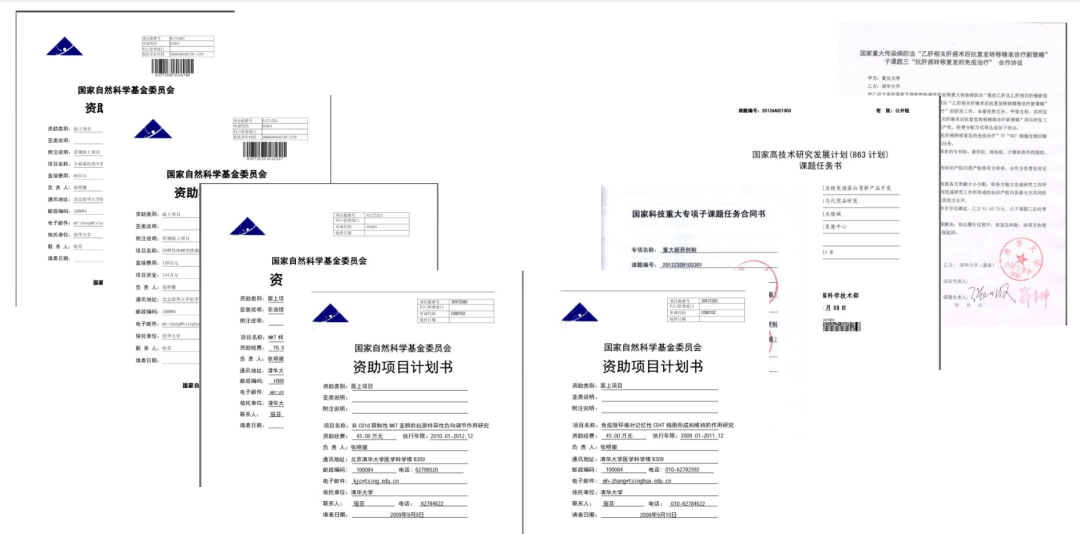
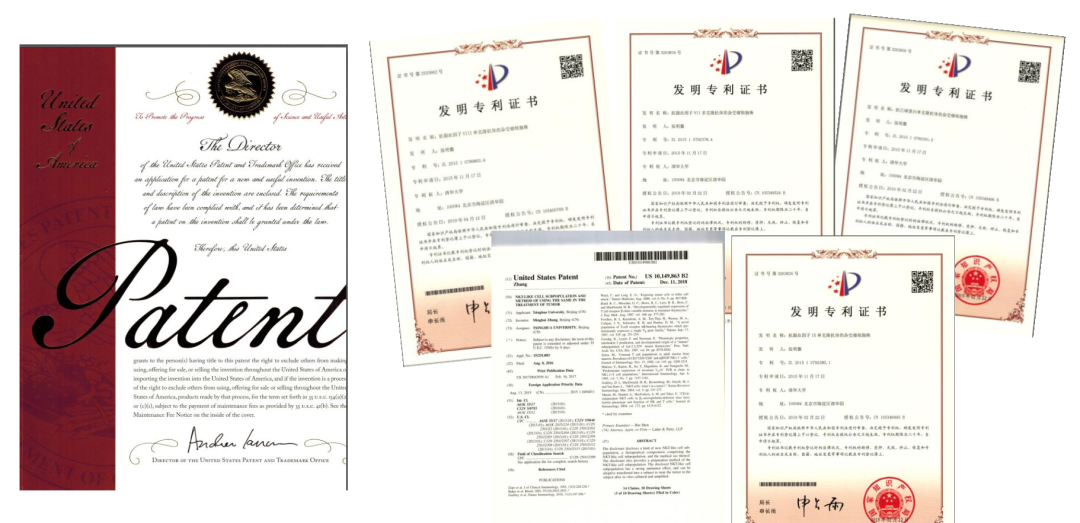
Professor Zhang Minghui's scientific research achievements, papers, and patent drawings are shown in
. Professor Zhang Minghui's subsequent experimental studies have shown that vNKT cells exhibit great combat effectiveness when encountering cancer cells.
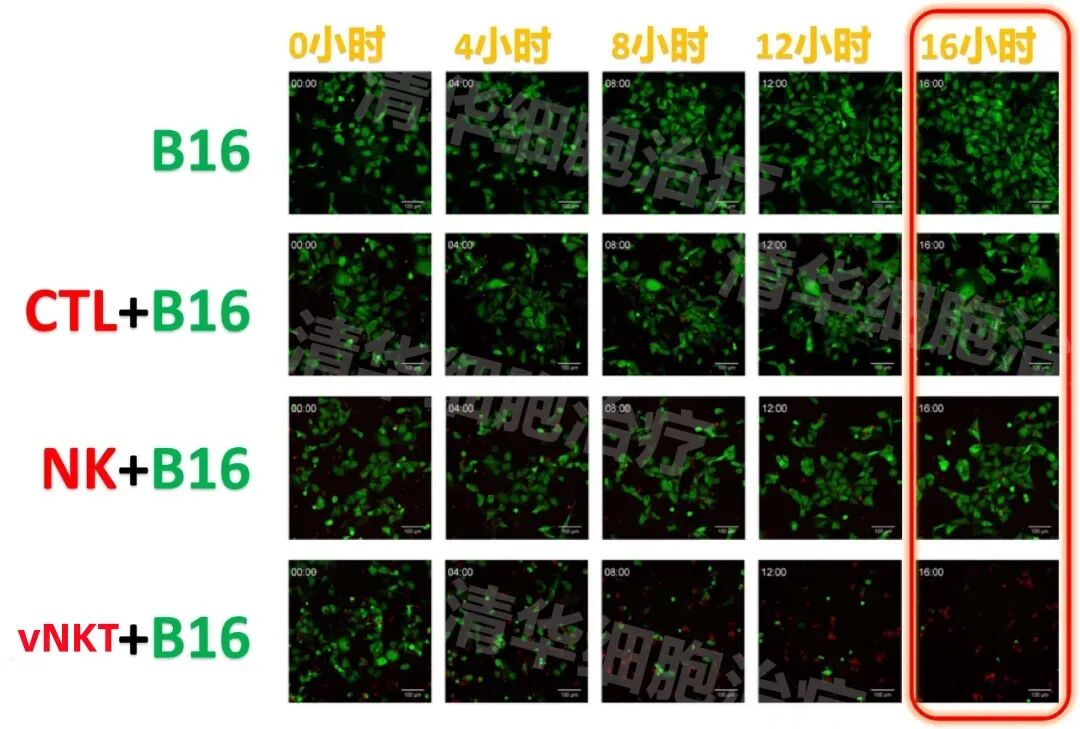
Under the same experimental conditions, the same nutritional conditions, the same growth space, the same photographic equipment, the same concentration of B16 cells, and the same ratio of CTL, NK, vNKT cells to B16 cells. The results after 16 hours are evident!
Isolated B16 cells doubled in number. In the presence of CTL and NK cells, a small portion of B16 cells were killed.
However, in the presence of vNKT cells, the vast majority of B16 cells were killed. By 16 hours, almost all B16 tumor cells had died.
Thus, vNKT cells can rapidly kill tumor cells and can be described as the special forces of the immune system, the super killers of tumor cells.
Since the discovery of vNKT cells nearly 20 years ago, one after another, patients with advanced cancer have been cured. The first patient with advanced gastric cancer cured in 2011 has been living cancer-free for 13 years, still maintaining the international record in the field of immunotherapy, surpassing Emily Whitehead, who was cured by CART in 2012.
Mr. Liu from Shandong unfortunately suffered from gastric cancer. Fortunately, after undergoing formal surgery and postoperative adjuvant therapy, he also promptly received vNKT cell immunotherapy, which reduced the recurrence and metastasis of malignant tumors, greatly improved his body immunity, and laid a good foundation for prolonging his survival.
Mr. Liu experienced upper abdominal pain without obvious triggers in November 2013. On December 31, 2013, a gastroscopy conducted at a local hospital revealed a space-occupying lesion in the gastric cardia and fundus, and the biopsy indicated adenocarcinoma.
On January 7, 2014, Mr. Liu underwent radical resection of gastric cardia cancer through a left thoracotomy under general anesthesia. Postoperative pathology indicated: (gastric cardia) moderately differentiated adenocarcinoma, ulcerative type, tumor size 2.5*0.7cm, invasion of serosa, negative resection margins, 2/12 lymph nodes around the gastric cardia. UGT1A1* wild-type*28 mutant type, HER-2(-), Lauren classification intestinal.
On January 12, 2014, Mr. Liu began four cycles of XELOX chemotherapy. Due to significant weight loss and weakened constitution, on May 8, 2014, the treatment was switched to four cycles of oral single-agent capecitabine chemotherapy, with the last dose on July 29, 2014.
After learning about vNKT cell immunotherapy, Mr. Liu started vNKT cell treatment at Lehexin Hospital in September 2014. The treatment plan was one course every two months, and by October 2020, Mr. Liu had completed 21 courses of treatment.
Mr. Liu has maintained a disease progression-free period exceeding 72 months (equivalent to six years) without any signs of recurrence or metastasis.Moreover, he benefited greatly in terms of quality of life, with his hair gradually turning black, skin quality improving, and mental and physical strength as well as sleep all being excellent. He met the clinical cure criteria and stopped vNKT cell infusion therapy after evaluation.
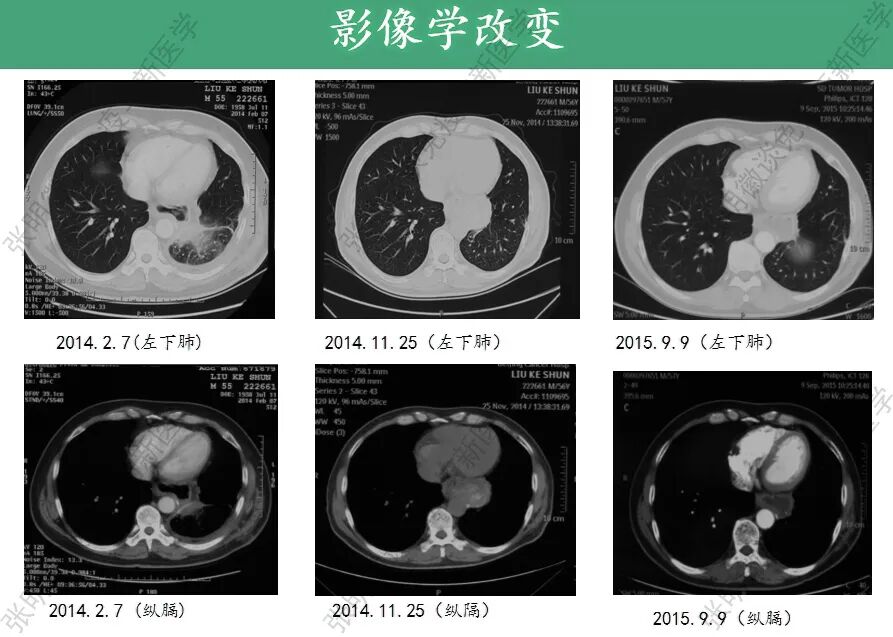
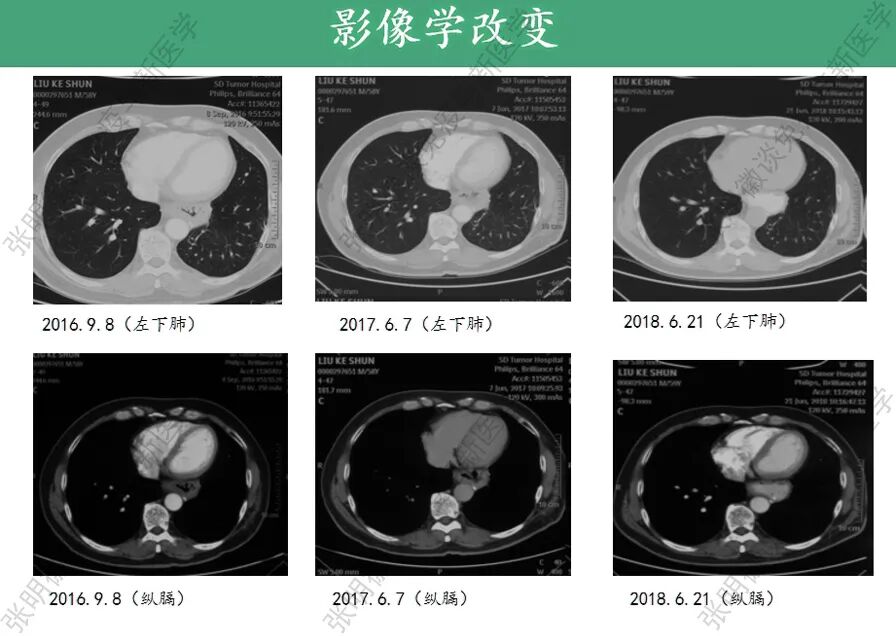
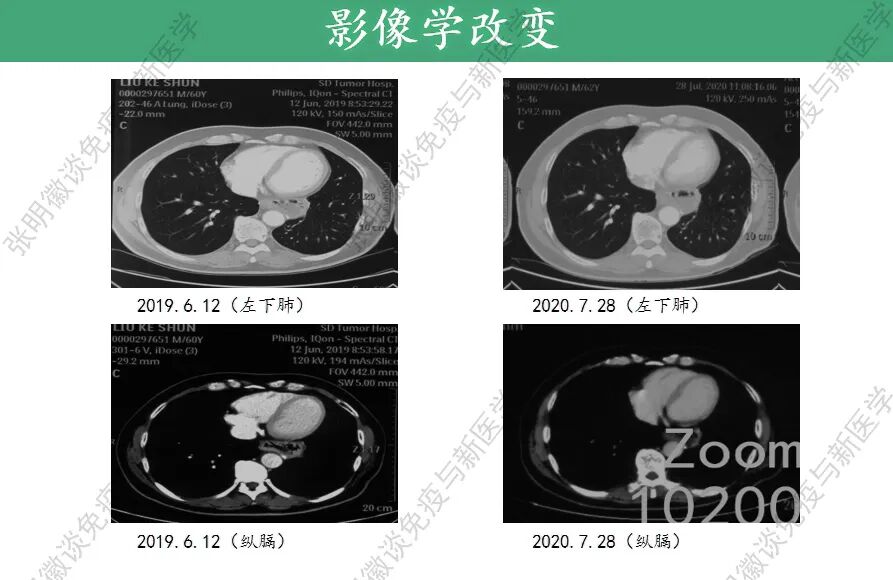
Note: Post-cardiac cancer surgery, in February 2014, the gastric anastomosis showed uneven thickening with unclear surrounding boundaries, and a small amount of pleural effusion on the left side. These were considered to be caused by surgery. From November 2014 to July 2020, multiple follow-up examinations showed no significant thickening of the gastric anastomosis wall, and the pleural effusion had absorbed. No local recurrence signs were observed in the surgical area.
Changes in gastroscopy imaging during Mr. Liu's vNKT cell immunotherapy:
2017-12-13:
Gastroscopy: ① Postoperative changes in the proximal stomach ② Anastomotic stoma inflammation ③ Chronic atrophic gastritis
Pathology: (Cardiac) Mucosal tissue with mild congestion, edema, and chronic inflammation; (Antral) Mucosal tissue with moderate acute and chronic inflammation accompanied by superficial ulcer formation.
2018-6-20:
Gastroscopy: ① Residual gastritis (after proximal gastrectomy) ② Gastric ponding
2020-7-31:
Gastroscopy: ① Reflux esophagitis (Grade B) ② Anastomotic stoma inflammation ③ Post-cardiac surgery changes
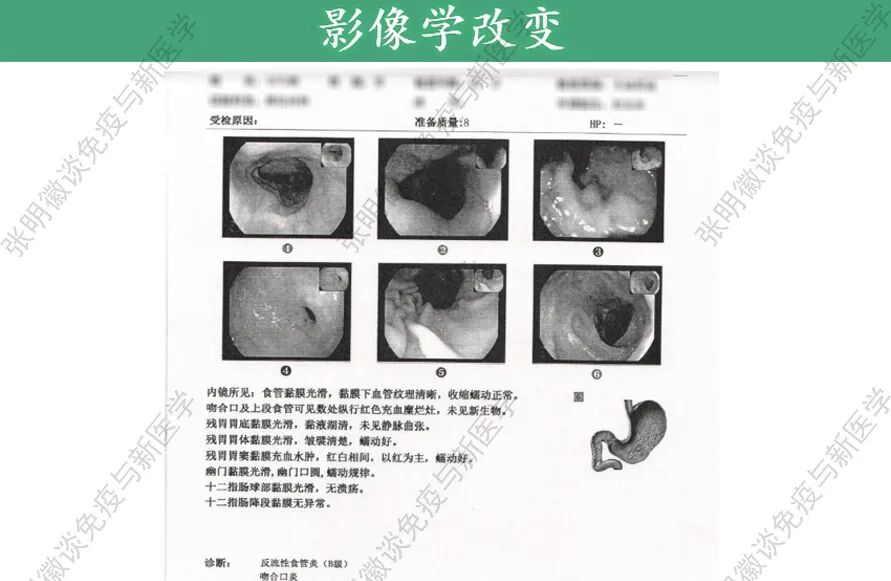
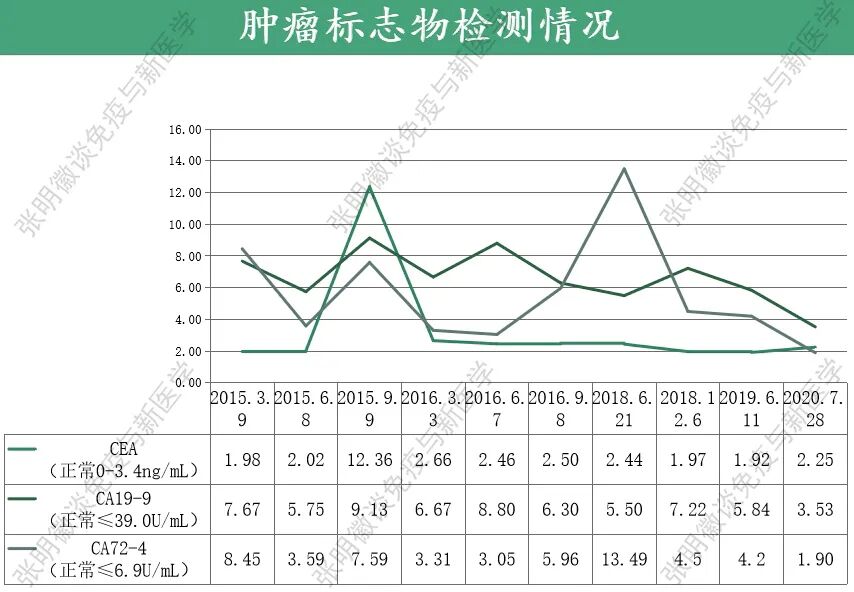
Note: From March 2015 to June 2018, the recheck results of CEA and CA72-4 showed intermittent increases, which may be related to residual gastric inflammation and ulcer. From December 2018 to July 2020, the recheck results of CEA, CA72-4, and CA19-9 were all within normal range. Close observation is recommended.
As of May 2024, Mr. Liu was interviewed by Lehexin Medical via telephone, and his physical condition remained good. He was able to walk 1000 meters while carrying a weight of over 5kg, and the frequency of colds and fever in winter decreased. It is evident that vNKT cell therapy is safe and effective in the treatment and prevention of recurrence and metastasis of gastric cancer. It is believed that more patients will benefit from this therapy.
Summary
Cellular immunotherapy is a revolutionary cancer treatment method that utilizes the patient's own immune system to recognize and attack cancer cells. With the continuous development and innovation of scientific research technology, cellular immunotherapy is also being increasingly perfected. Currently, CART has brought hope to patients in the treatment of hematological tumors. It is believed that vNKT will shine brilliantly in the treatment of solid tumors in the future, bringing survival hope to more tumor patients!
Reference sources:
[1] Wei Wenqiang et al. Trends of gastric cancer burdens attributable to risk factors in China from 2000 to 2050. "The Lancet Regional Health-Western Pacific" 2024 issue.
[2] Chinese Society of Gastric Cancer, Chinese Medical Doctor Association, Upper Digestive Tract Surgeons Committee, Chinese Population Health Risk Management Collaboration Group - -Gastric Cancer Specialty Group. Public Guidelines for Gastric Cancer Risk Management in the Chinese Population (2023 edition). 2023.
Contact Us
Scan QR Code
Communicate with Professor Zhang Minghui's Team
Editing/typesetting: Liu Fengmei
Medical review: Wang Ying

Address: Room 1101 (Unit 101), 11th Floor, Building 1, No. 7 Courtyard, Kexueyuan Road, Life Science Park, Changping District, Beijing
Phone:010-8265 9866
Email:lehemedneo@hotmail.com