Contact Us Careers
Stomach Cancer

The truth about gastric cancer metastasis and its cure: What can you do to reclaim your life

时间:2026-04-15 人气:
           
Click on the blue word "H0" to follow us            


The stomach is like a trumpet, and stomach pain, belching, heartburn, acid reflux, bloating... are all common signals emitted by the stomach. Perhaps due to frequent episodes of stomach "mood swings" caused by eating the wrong things, people have become accustomed to the warning symptoms emitted by the stomach, always thinking that drinking more hot water, eating bland food, and drinking less alcohol will make common stomach problems go away after a few days. As a result, they ignore the fact that stomach cancer may already be lurking around them, and despite multiple warnings, they still turn a blind eye.          


01              


Disease Overview              

Overview of the illness


"I've been feeling uncomfortable in my stomach recently," Mr. Han said. For several days, he had been experiencing symptoms such as bloating, heartburn, acid reflux, belching, and feeling worse after eating. At first, he thought it was due to excessive drinking, but his condition did not improve after a few days. Some friends advised him to undergo a gastroscopy, and even joked, "Don't tell me you have stomach cancer."      


I never expected it to be stomach cancer!


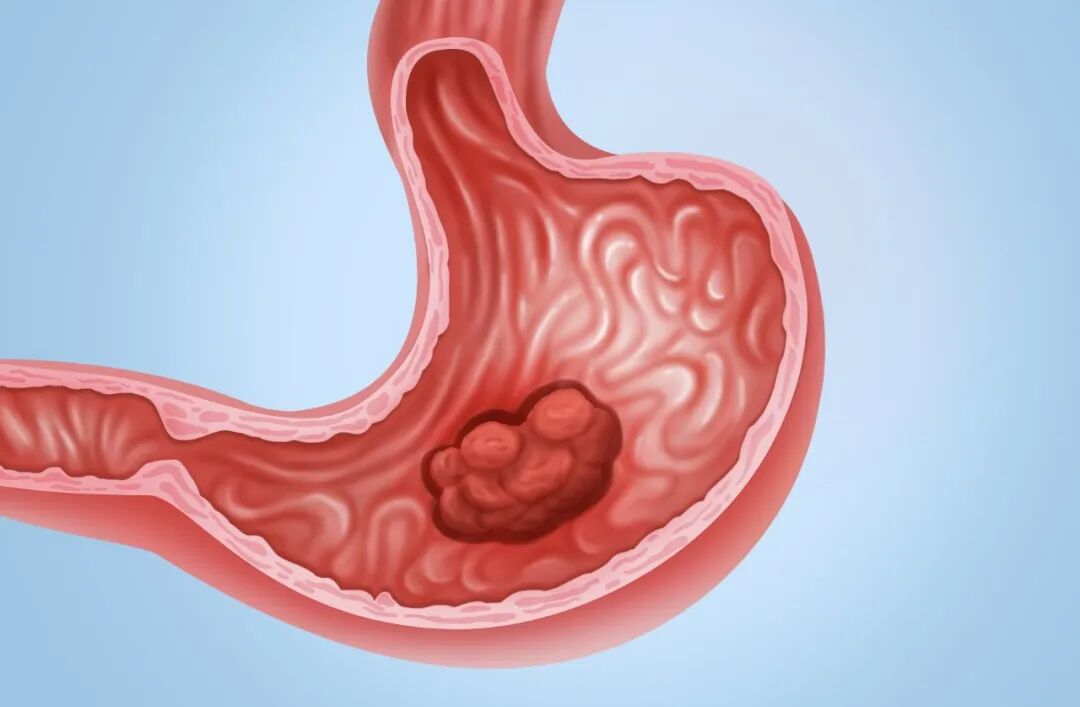
In December 2010, after enduring several months of stomach discomfort, Mr. Han finally made up his mind to undergo a gastroscopy at the hospital. However, the results were unacceptable: "An ulcerative mass was found in the gastric angle, gastric antrum, and pyloric canal." The pathology report revealed "gastric antral adenocarcinoma," and these few words transformed Mr. Han from having a common stomach condition to having stomach cancer.      


Without even having time to react, Mr. Han underwent a radical gastrectomy two days later. Postoperative pathology revealed "ulcerative moderately differentiated adenocarcinoma".      


However, the treatment was far from over. Mr. Han also needed chemotherapy once a month after the surgery, which marked the real beginning of his suffering.


Mr. Han originally weighed 103.5 kilograms. However, after only four months of treatment, he had lost weight from 103.5 kilograms to 63.5 kilograms. During the fourth course of chemotherapy, he even experienced shock and required emergency treatment. Due to the removal of most of his stomach during surgery, coupled with the side effects of chemotherapy, and the inability to keep up with nutrition post-surgery, Mr. Han's recovery was extremely difficult, and he suffered greatly both mentally and physically.      


Why are the side effects of chemotherapy so severe?            


Most chemotherapy drugs have toxic side effects. After entering the bloodstream, these drugs not only kill tumor cells but also cause a certain degree of damage to normal blood cells. Due to the short survival cycle of red blood cells, white blood cells, and platelets in the blood, bone marrow suppression is most likely to occur. Faced with many chemotherapy drugs that have severe bone marrow suppression side effects (such as paclitaxel, irinotecan, and other drugs), many patients may experience moderate or even severe bone marrow suppression side effects, which often affect the patient's scheduled treatment course and lead to poor efficacy.            


The most intuitive feelings brought to patients by the decrease in blood count due to bone marrow suppression are "increasing physical weakness" and "gradually declining immunity", which are actually one of the signs of damage to the bone marrow hematopoietic system.            


Intolerance, giving up chemotherapy, what should I do after tumor surgery?            
Due to intolerance to chemotherapy, Mr. Han had to rest at home. In September 2011, he began to cough and feel weak. A follow-up examination revealed multiple metastatic lesions in his lungs, with the largest reaching 1.8 centimeters. His recovery from gastric cancer had not been fully achieved, and the cancer cells had spread to his lungs! As a result, he had to be hospitalized again.      

   
During the cross-departmental consultation, the doctor suggested that Mr. Han undergo a lung puncture, but the risk of the procedure made Mr. Han hesitate to proceed rashly.      


"If there is even the slightest negligence during the puncture, the cancer cells are extremely prone to spreading, and the consequences would be unimaginable. I cannot accept the puncture. " Having made up his mind, Mr. Han left the hospital and went home on his own.      


Why should we be extra careful when performing tumor puncture?            


Tumor biopsy involves inserting a thin biopsy needle into the suspected lesion site of a patient under the guidance of ultrasound, CT, or endoscopy to remove tissue and prepare a specimen. During the biopsy process, a small amount of tumor cells may contaminate the needle channel, leading to tumor implantation in the needle tract, which is medically known as "seeding metastasis in the needle tract".


Illness still needs to be treated. In the absence of a good treatment plan at the time, Mr. Han stumbled upon the vNKT cell immunotherapy research project being conducted by the Institute of Cell Therapy at Tsinghua University in Shandong. Using vNKT cells to control cancer metastasis and recurrence was like a ray of light for Mr. Han, who was at a loss at that time.


Fortunately, after Mr. Han got in touch with Professor Zhang Minghui and the Lehe New Medicine team, Professor Zhang assessed Mr. Han's medical records and immediately formulated a new vNKT cell immunotherapy treatment plan. Considering Mr. Han's physical condition, post-gastric cancer surgery, and new lung metastatic lesions, the treatment began in November 2011. Initially, vNKT cell infusions were administered at a frequency of once every two months. After five courses, a follow-up examination showed that the lung metastatic lesions had begun to shrink, and his weight had also returned to over 140 pounds. He was even able to help his wife with some household chores. The vNKT cells gave Mr. Han the confidence to start healing from gastric cancer again.


After one year of vNKT cell immunotherapy, Mr. Han's infusion frequency became once every three months, and the infusions continued until February 2018. Mr. Han achieved clinical cure from gastric cancer metastasis through vNKT cell immunotherapy; from being worn down by chemotherapy, he regained his quality of life; from becoming increasingly frail, he regained his vitalityEvery change is hard-won. After discontinuing vNKT cell immunotherapy, Mr. Han has achieved a 5-year clinical cure and embarked on the next stage of his life. What exactly is vNKT cell immunotherapy              


vNKT cell immunotherapy              


Natural killer T (NKT) cells, are a special T-cell subset with both T-cell receptor (TCR) and NK cell receptors on their surface. They possess the important characteristics of both NK cells and T cells, with the dual ability to recognize tumor cells non-specifically and specifically, and can rapidly kill tumor cells. Among the NKT cell subsets, there is a larger and more potent special type of soldier discovered by the experimental team led by Professor Zhang Minghui of Tsinghua University, namely variant natural killer T (vNKT) cells.


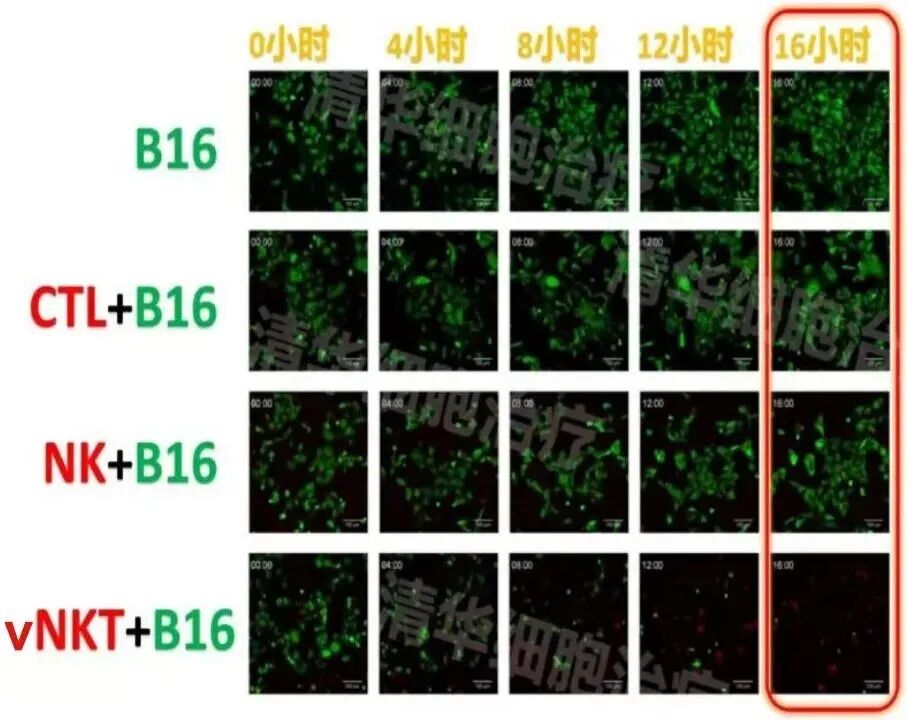
The population of vNKT cells in the body is very small and they are not easily activated. However, once activated, they can easily eliminate those tumor cells that may remain undetected in the body. Additionally, research has found that vNKT cells have dual anti-tumor effects. Not only can they directly kill cancer cells, but they can also regulate the immune microenvironment within tumor tissues, kill inhibitory immune cells (MDSCs), break tumor immune evasion, rebuild the normal immune system, and further prevent recurrence and metastasis.

Experimental conditions: In the presence of vNKT cells, after 16 hours, nearly all B16 tumor cells were killed!



Lian
         
I      
         

Scan QR code

Communicate with Professor Zhang Minghui's team


02            


Conclusion and Review< H288>

Conclusion and Commentary            
"Early gastric cancer is often a case of nine chances and one chance of survival, while late-stage gastric cancer is often a case of nine chances of survival and one chance of death."      


China has the highest incidence rate of gastric cancer globally, with an age-standardized 5-year survival rate of 27.4%. Over the past decade, due to advancements in diagnostic and treatment technologies, the annual mortality rate of gastric cancer in China has decreased from 3.8% to 2.3% [1].      


Although stomach cancer can be terrifying, it is completely curable in the early stages of , and there is no need to endure the pain of surgery and chemotherapy.


Gastroscopy is the gold standard for gastric cancer screening, allowing for precise diagnosis of early gastric cancer and precancerous lesions. However, many people resist gastroscopy, deterred by the discomfort during the examination process.    


In fact, gastroscopy can be divided into ordinary gastroscopy and painless gastroscopy. Painless gastroscopy can be completed in a single sleep, without any discomfort or resistance needed. For tumors, early detection and intervention are key to improving the cure rate, ensuring quality of life, and prolonging survival.      


Zhang Minghui  Founder of Lehe New Medical and Ph.D. in Immunology from Tsinghua University School of Medicine
Since the discovery of vNKT cells in 2002, Professor Zhang Minghui's research team has been engaged in research for over 20 years, accumulating treatment experience from over 700 cases of solid tumors, covering almost all common solid tumors. The research results fully demonstrate the great value of vNKT in the treatment of solid tumors.


Applicable to postoperative patients with high malignant potential or at risk of recurrence; Patients whose tumors have been largely controlled but not cured through conventional treatments such as chemotherapy, radiotherapy, and targeted therapy; Patients with persistent high carcinogenic factors; Patients intolerant to radiotherapy and chemotherapy. If these patients do not receive effective follow-up treatment after traditional anti-tumor therapy, recurrence, metastasis, or re-emergence of tumors will be highly probable. In this case, vNKT cell therapy is an ideal follow-up treatment method, which can significantly improve the patient's prognosis.            


Reference source:

[1] Guidelines for Gastric Cancer Screening and Early Diagnosis and Treatment in China (2022, Beijing)


Written by: Zhang Tuo
Reviewed by: Qiao Jiacheng, Wang Ying, Gao Chen      
Edited/typeset by Zhang Jiao      


Click on the image to view past exciting content


Reposting is a driving force, sharing is a kind of beauty