About Lehe
乐于心,和与众,与己乐,与人和; 心宽念纯,百病无生。


乐于心,和与众,与己乐,与人和; 心宽念纯,百病无生。


Hepatocellular carcinoma (HCC) (ICC) is known as the "silent killer of the hepatobiliary system" - it has an insidious onset and high malignancy. Hepatectomy remains the most effective treatment for ICC. With the widespread adoption of extensive hepatectomy and systematic lymph node dissection, the post-operative survival rate has gradually improved, with a 5-year survival rate of 30% to 40% [1]. However, if there are high-risk factors such as lymph node metastasis and vascular invasion, the survival period will be significantly reduced.
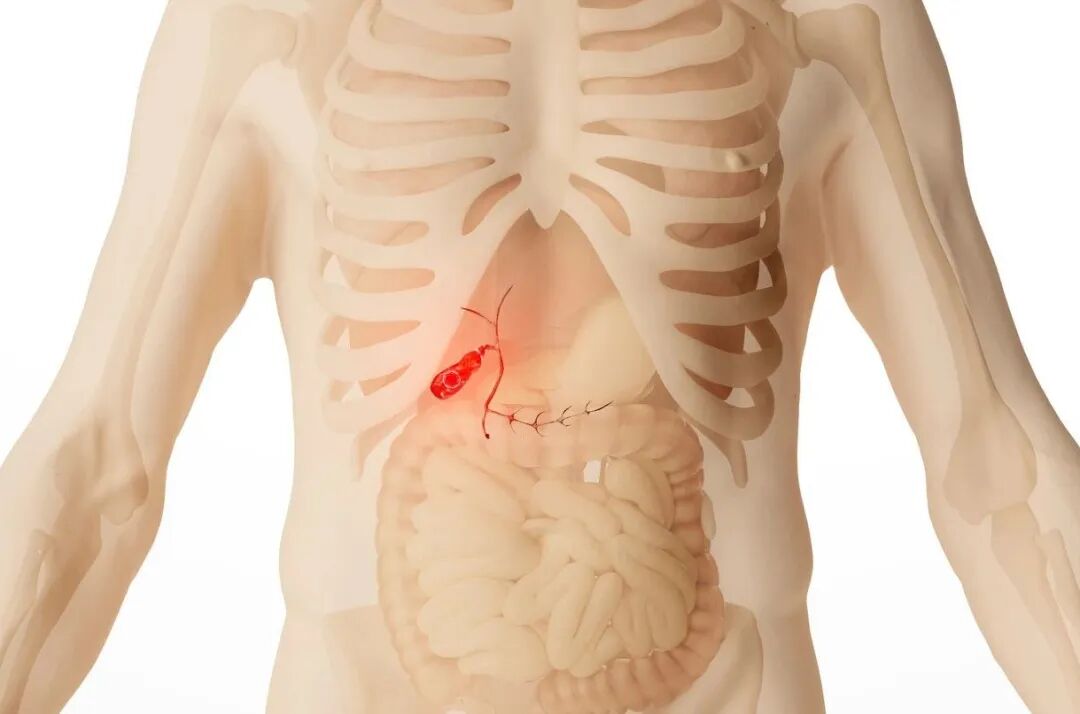
However, Ms. Zhang's story breaks this “law of death”: she is about to cross the 5-year mark of recovery from stage IIIB high-risk bile duct cancer, and her follow-up imaging still shows “no recurrence or metastasis”, with long-term stable tumor markers and normal physical recovery. From the perspective of medical data, this is almost a “miracle”; but from the analysis of treatment strategies, everything is traceable .
Overview of the illness
In July 2020, Ms. Zhang was diagnosed with hepatocellular carcinoma and subsequently underwent left hemihepatectomy and cholecystectomy. Postoperative pathology revealed a poorly differentiated cholangiocarcinoma with extensive necrosis in the left liver, with a tumor size of 6.0×5.0×4.0cm. Vascular invasion (+), multiple lymph node metastases, Immunohistochemistry: Arginase-1 (-), Hepatocyte (-), KI67 (70%+), MLH1 (+), MOC31 (-), MSH2 (+), MSH6 (+), PMS2 (+), Villin (-). Postoperative staging: T1N1MOIIIB.
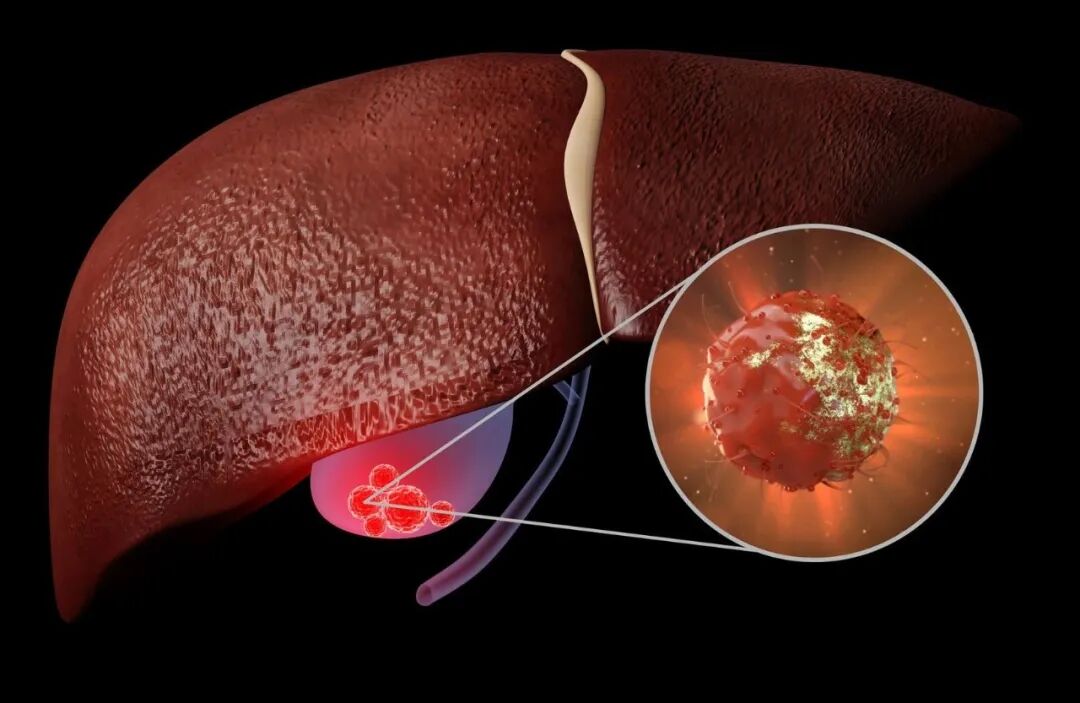
Despite undergoing surgical removal of the lesion and receiving 4 cycles of chemotherapy and PD-1 immunotherapy (pembrolizumab), the side effects of chemotherapy were too much for her to bear, and the immunotherapy only lasted for 2 months. Traditional treatment methods prove inadequate in the face of highly aggressive tumors. How to eliminate residual cancer cells in the body and strengthen the immune defense line has become the key to prolonging life.
After learning about the successful cases of the vNKT treatment team led by Professor Zhang Minghui at Tsinghua University School of Medicine in treating solid tumors, Ms. Zhang decided to join the vNKT cell therapy team under Professor Zhang's leadership at Tsinghua University School of Medicine. After evaluation by the Lehexin Medical team, it was pointed out that:
1. Although the lesion was removed through surgery, the "high-risk signals" were still present: Postoperative pathology indicated low-differentiated cholangiocarcinoma (high aggressiveness, poor prognosis), accompanied by vascular invasion (H329
2. Limited traditional treatment: Ms. Zhang completed conventional chemotherapy after surgery, but due to biliary leakage, the second cycle was discontinued with the addition of lenvatinib. Immunotherapy was only maintained for 2 months, indicating limitations in the treatment regimen.
3. Immune rear guard: vNKT cells can effectively eliminate scattered tumor cells that current technology cannot detect. At the same time, by enhancing the body's immune response, vNKT exerts a powerful immune surveillance function, preventing residual tumor cells from proliferating and forming new lesions, thereby greatly reducing the risk of recurrence and metastasis.
The core strategy of this treatment is to transform vNKT cells into an "immune rear guard" - eliminating the remaining cancer cells and improving the tumor microenvironment, thereby achieving long-term stability.
Ms. Zhang started vNKT cell therapy on January 5, 2021, with the initial regimen of 2 courses per month, which was later adjusted to 1 course every 3 weeks. By October 10, 2024, she had completed 67 courses.
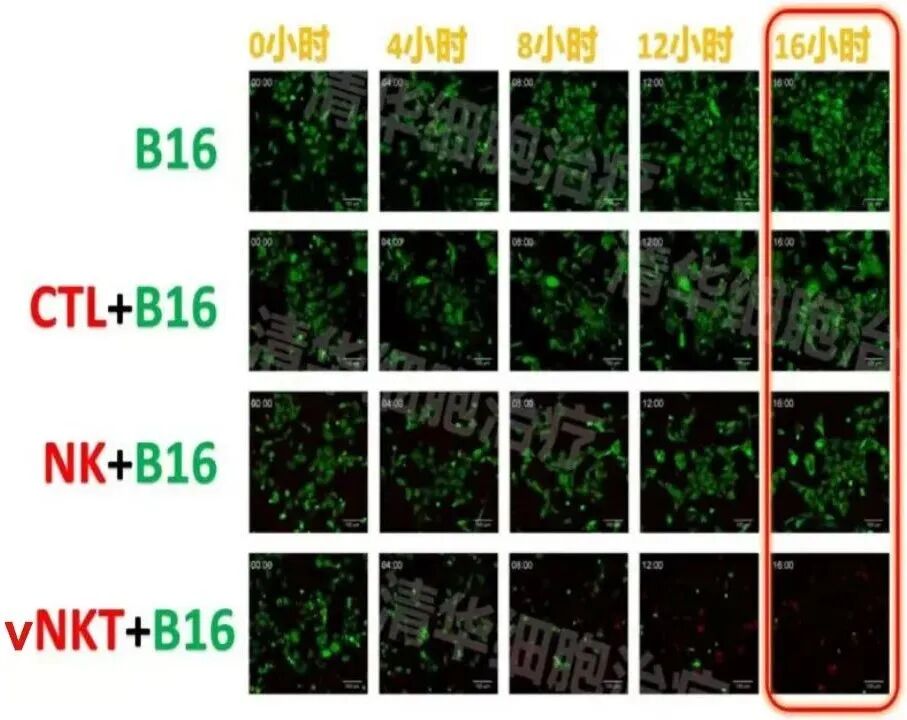
Experimental conditions: In the presence of vNKT cells, after 16 hours, nearly all B16 tumor cells were killed!
Ms. Zhang is about to cross the 5-year survival mark, but “cure” cannot only be judged by time. The following 3 signs confirm her treatment success!
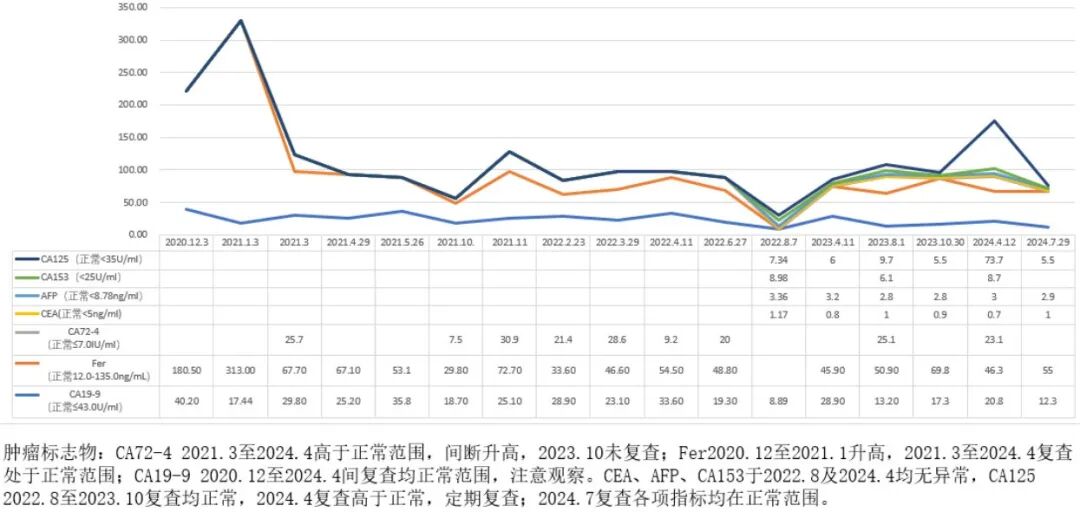
During tumor follow-up, various indicators need to be tested, including blood routine, liver and kidney function, coagulation six items, tumor markers, carcinoembryonic antigen, and so on. If these blood test data are normal, it indicates that the blood system and immune system are in a healthy state. Among them, tumor markers require long-term observation. If they are slightly elevated in a single test, follow-up tests as prescribed by the doctor are sufficient. However, if tumor markers continue to rise without decreasing over a period of time, it should be taken seriously.
Ms. Zhang's tumor marker indicators have remained stable for a long time after surgery, indicating no disease progression.
It can be considered normal if imaging examinations show no abnormalities or no new lesions are found, and if previously discovered nodules or lesions remain stable without increasing or enlarging.
During the vNKT cell therapy, Ms. Zhang underwent multiple imaging examinations (MRI, CT, ultrasound) and no signs of disease progression were observed.
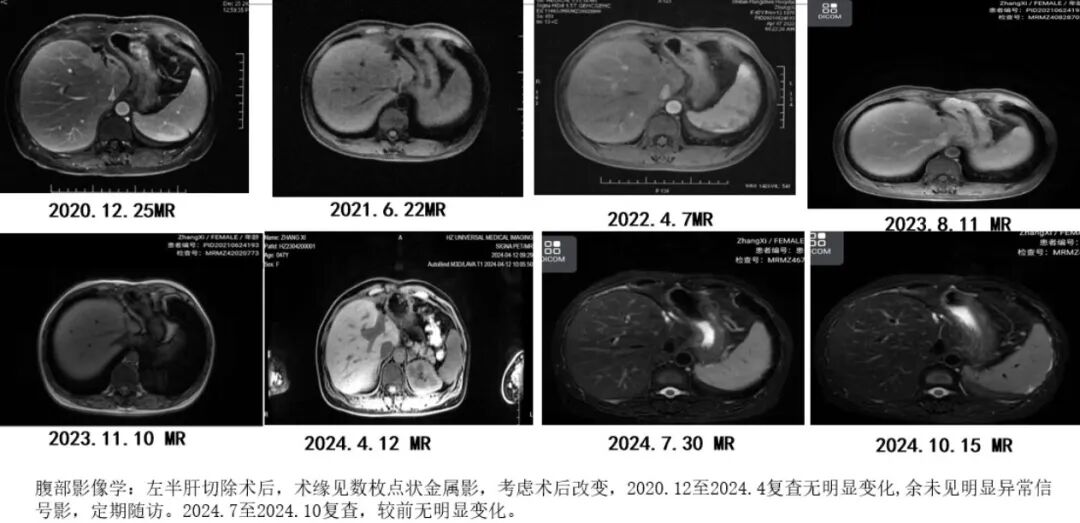
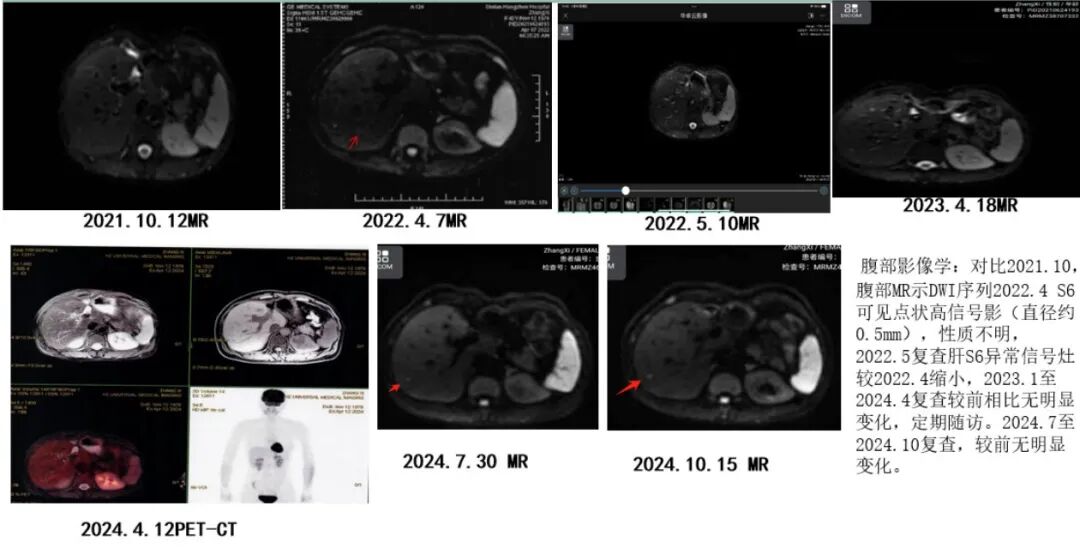
When malignant tumors recur and metastasize, the body often gives us hints, such as symptoms like bleeding, swollen lymph nodes, fever, weight loss, and pain. If a patient does not show any of the above obvious signs of recurrence, it means that the body is in the process of recovery, the trend and risk of cancer are decreasing, and the possibility of cancer recurrence is reduced. Therefore, the stability of life and health is gradually improving.
Ms. Zhang's physical strength has recovered to the level before she got sick, her mental state is full, and her normal work and life have not been affected by the disease.
Conclusion and Review< H305>
Looking back at Ms. Zhang's treatment journey, it is not difficult to observe that three key indicators - stable and normal laboratory results, no recurrence signals observed in imaging, and no abnormal discomfort in the body - collectively form the foundation for her sustained improvement. These indicators not only affirm her personal efforts but also serve as strong evidence for the effectiveness of vNKT cell therapy. The incidence of local recurrence and distant metastasis after surgery for hepatocellular carcinoma is 60% to 70%[1]. After surgery, Ms. Zhang adopted vNKT cell therapy as a powerful supplement to traditional treatment. It not only clears residual tumor cells from the body but also rebuilds the immune system and prevents the occurrence of micrometastasis, thus achieving stability for nearly five years post-surgery.
However, we must also recognize that the journey against cancer is never smooth sailing. Each patient's condition is unique, making the development of personalized treatment plans crucial. Ms. Zhang's successful case tells us that when facing cancer, we need to combine our own condition, actively seek appropriate treatment methods, and persist in treatment. Finally, I wish every patient can overcome these three major hurdles and move towards recovery.
If you are currently in a confusing stage of tumor treatment and have doubts about treatment methods and plans, you can add Lehe and Little Assistant. Lehe and New Medicine will provide you with free consultation services.

Scan QR code
Communicate with Professor Zhang Minghui's team
References:
[1] Ying Songsong, Gao Zhiyan. Progress in the diagnosis and treatment of intrahepatic cholangiocarcinoma [J]. Guangzhou Medical Journal, 2023, 54(06): 100-105.
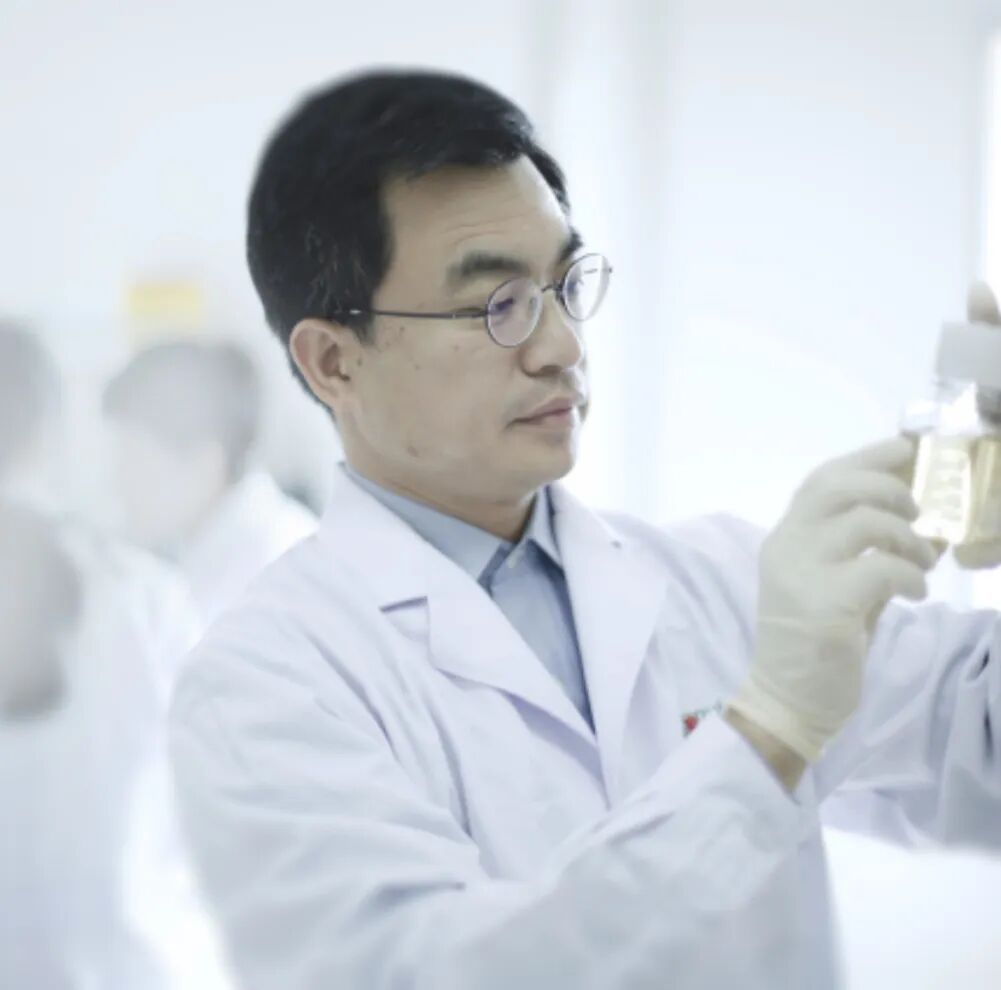
Founder of Lehe New Medicine
Professor Zhang Minghui, a Ph.D. in Immunology from Tsinghua University School of Medicine, has led a research team for over 20 years since the discovery of vNKT cells in 2002. They have accumulated treatment experience in over 700 cases of solid tumors, covering almost all common types of solid tumors. The research results fully demonstrate the great value of vNKT in the treatment of solid tumors.
It is suitable for postoperative patients with high pathological malignancy or a risk of recurrence; patients whose tumors have been basically controlled but not cured through conventional treatments such as chemotherapy, radiotherapy, and targeted therapy; patients with persistent high carcinogenic factors; and patients intolerant to radiotherapy and chemotherapy.If these patients do not receive effective follow-up treatment after traditional anti-tumor therapy, the recurrence, metastasis, or re-emergence of tumors will be highly probable. In this case, vNKT cell therapy is an ideal follow-up treatment method, which can significantly improve the prognosis of patients.
Click on the image to view past exciting content



Address: Room 1101 (Unit 101), 11th Floor, Building 1, No. 7 Courtyard, Kexueyuan Road, Life Science Park, Changping District, Beijing
Phone:010-8265 9866
Email:lehemedneo@hotmail.com