About Lehe
乐于心,和与众,与己乐,与人和; 心宽念纯,百病无生。


乐于心,和与众,与己乐,与人和; 心宽念纯,百病无生。


Ovarian cancer is known as ""the silent killer", ranking third in incidence among female reproductive system tumors but topping the list in mortality rates. According to statistics, approximately 70% of ovarian cancer patients worldwide are diagnosed at an advanced stage (FIGO stages III-IV), and even with standard treatment , the 5-year survival rate is around 40% , with over 70% of patients experiencing recurrence within 3 years after initial treatment [1].
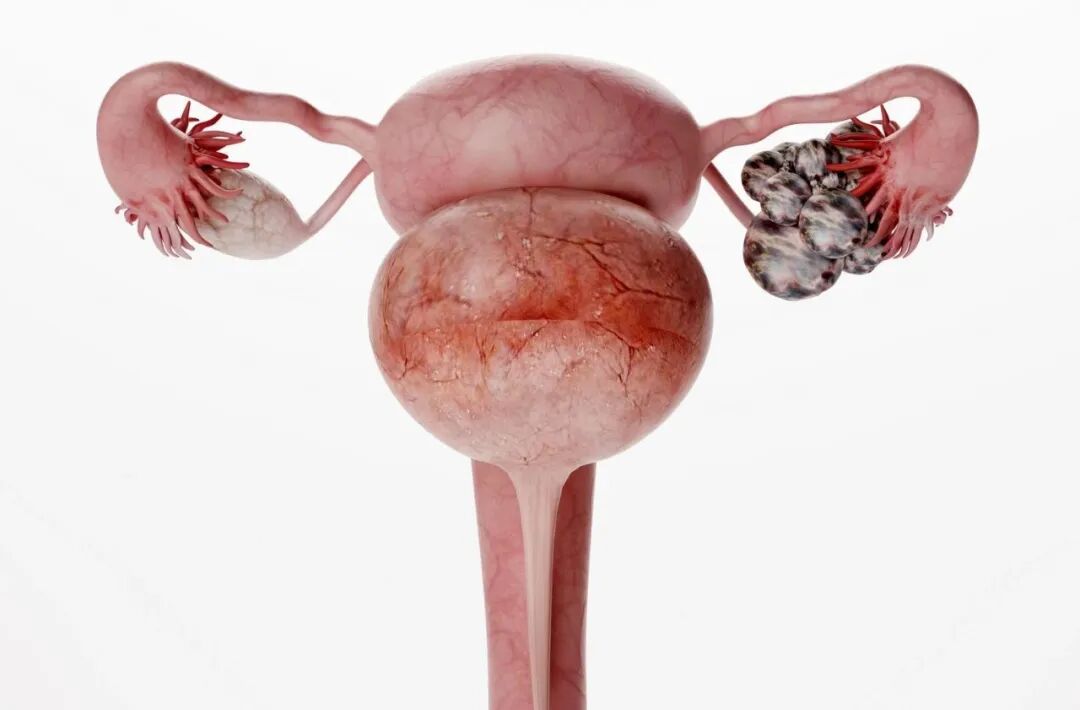
Facing such severe survival challenges, how can we enhance treatment efficacy and strive for optimal therapeutic outcomes ? Ms. Lu's experience in fighting cancer may provide some insights.
Overview of the illness
In February 2022, Ms. Lu, 43 years old, began experiencing menstrual irregularities, but initially did not take it seriously. Five months later, during a physical examination, her tumor marker CA153 levels were abnormally elevated to 149 U/ml (normal value <25 U/ml), and ultrasound revealed multiple uterine fibroids. In October of the same year, her CA125 levels soared to 822.3 U/ml (normal value <35 U/ml), and a PET-CT scan detected increased FDG metabolism in the right adnexal region, peritoneum, and multiple lymph nodes throughout the body. A biopsy of the left supraclavicular lymph node confirmed metastatic poorly differentiated carcinoma—indicating the invasion of advanced ovarian cancer.

Treatment key points:
Received 2 cycles of neoadjuvant chemotherapy from November to December 2022 (paclitaxel + carboplatin);
In January 2023, underwent radical surgery for ovarian cancer, and postoperative pathology confirmed high-grade serous carcinoma;
Completed 4 cycles of postoperative adjuvant chemotherapy (paclitaxel + carboplatin) from February to April 2023;
In 2023, on April 4, we initiated the NKT cell immunotherapyv on day v of the month.
Ms. Lu's tumor has metastasized extensively to the peritoneum and lymph nodes, making it difficult to completely remove the lesion through direct surgery. At this point, neoadjuvant chemotherapy played a crucial role :
*. The primary lesion was reduced
by two cycles of chemotherapy. Ms. Lu's tumor marker CA125 decreased from 822.3U/ml to 29.5U/ml, and imaging revealed that the metastatic lymph node volume had shrunk from 2.2*1.4cmto 0.7*0.5cm. Reducethe adhesionbetween tumor and normal tissues, and improve the complete tumor resection rate.
Assess the sensitivity to chemotherapy drugs
Based on the tumor's response to neoadjuvant chemotherapy, the sensitivity of the patient tochemotherapy drugscan be assessed, facilitating the reasonable formulation of subsequent chemotherapy regimens.
* Improving survival prognosis
Some studies have shown that the CR (complete remission) rate of ovarian cancer patients undergoing neoadjuvant chemotherapy combined with surgeryreaches14.89%, while the CR rate for patients undergoing surgery aloneis only4.54%. Compared to surgery alone, neoadjuvant chemotherapy followed by surgery can effectively control the patient's condition and significantly improve the short-term efficacy for advanced ovarian cancer
* Radical surgery for ovarian cancer
with resection of pelvic lesions and complete removal of the uterus, bilateral adnexa, greater omentum, and involved lymph nodes;
* Lymph node dissection range
Pelvic and para-aortic lymph nodes were dissected and removed ;
* Postoperative chemotherapy intensification
to further eliminate residual cancer cells .
Surgery, radiotherapy, and chemotherapy are the "three axes" of tumor treatment, but so far, no single method can completely eliminate cancer cells in the body. Especially for early-stage tumor patients, many undergo initial surgery where the tumor is completely removed, and imaging tests also show no signs of cancer. However, in reality, some cancer cells may have already spread to other parts of the body through the lymphatic or blood systems. Meanwhile, chemotherapy and radiotherapy can reduce patients' immunity to some extent, thereby increasing the risk of tumor recurrence and metastasis.
Therefore, consolidation therapy after surgery is very important. After completing conventional treatment, Ms. Lu chose to receive vNKT cell therapy. Eliminate intrinsic micro-residual and dormant cancer cells, while reconstructing the immune surveillance system, effectively reducing the risk of tumor recurrence and simultaneously enhancing the probability of clinical cure.
Natural killer T (NKT) cells are a special T-cell subset that possesses both T-cell receptor (TCR) and NK cell receptors on their surface. They combine the important characteristics of NK cells and T cells, with the dual ability to recognize tumor cells nonspecifically and specifically, and can rapidly kill tumor cells. Among the NKT cell subsets, there is a larger and more potent special type of NKT cell, known as vNKT (Variant Natural Killer T) cells, discovered by the experimental team led by Professor Zhang Minghui at Tsinghua University.
The number of these vNKT cells in the body is very small, and they are not easily activated. However, once activated, they can defeat numerous tumor cells that may remain undetected in the body. In addition, research has also found that vNKT cells have dual anti-tumor effects. They can not only directly kill cancer cells but also regulate the immune microenvironment within tumor tissues, kill inhibitory immune cells known as myeloid-derived suppressor cells (MDSCs), break the immune escape of tumors, rebuild the normal immune system, and further prevent recurrence and metastasis.
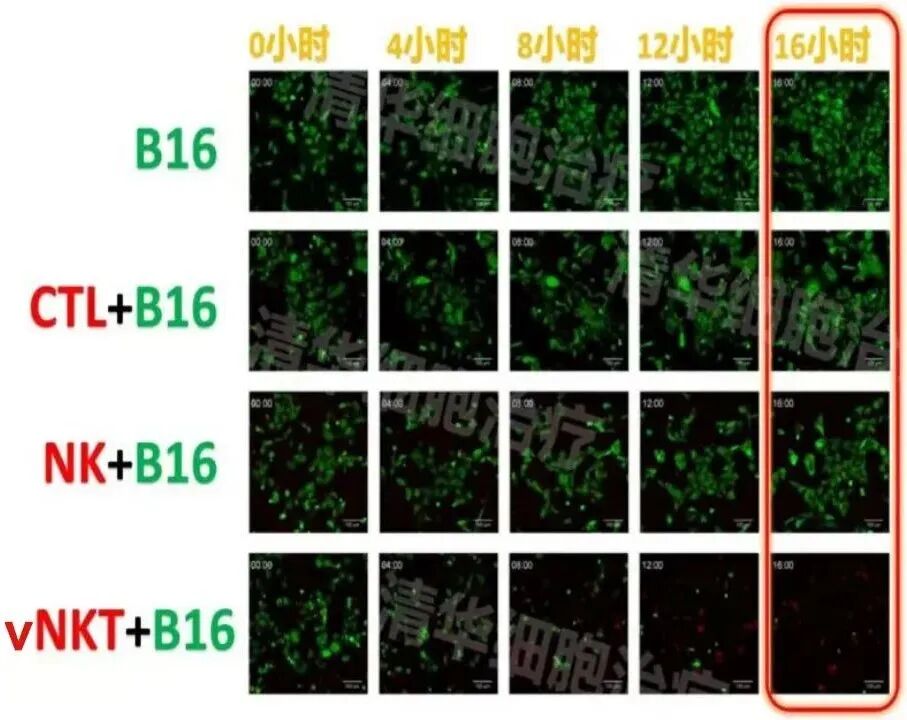
Experimental conditions: In the presence of vNKT cells, nearly all B16 tumor cells were killed after 16 hours!
As of February 2025, Ms. Lu has completed 16cycles of vNKT treatment, with CA125 levels consistently remaining within the normal range, and imaging examinations revealing no new lesions.
Imaging changes
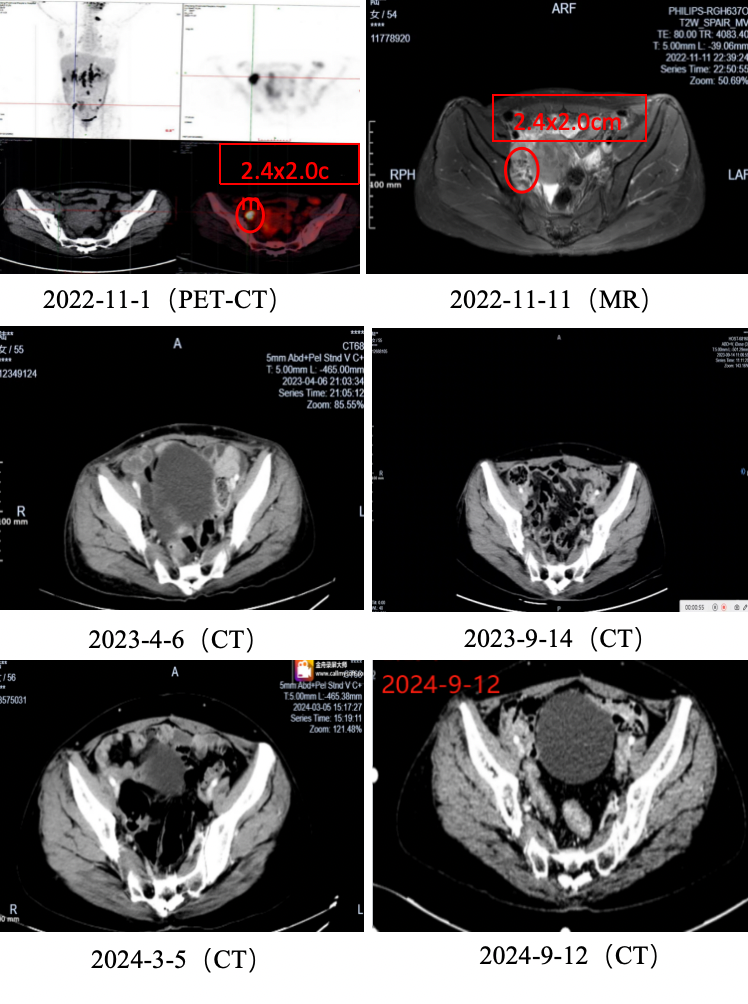
Imaging examination:
In November 2022, PET-CT and MR imaging revealed an irregular cystic and solid mass in the right parauterine region with increased FDG metabolism, suggesting malignancy. In April 2023, a follow-up examination showed no signs of the mass, but a small amount of fluid accumulation in the pelvic cavity was observed. Considering the patient's medical history, it was considered to be a postoperative change. In September 2023, a follow-up examination was performed to assess the postoperative changes of the irregular cystic and solid mass in the right parauterine region. In March 2024, a follow-up examination revealed a small amount of fluid accumulation in the pelvic cavity, and the patient was scheduled for follow-up. On September 12, 2024, a follow-up examination was conducted to assess the postoperative changes of the irregular cystic and solid mass in the right parauterine region.
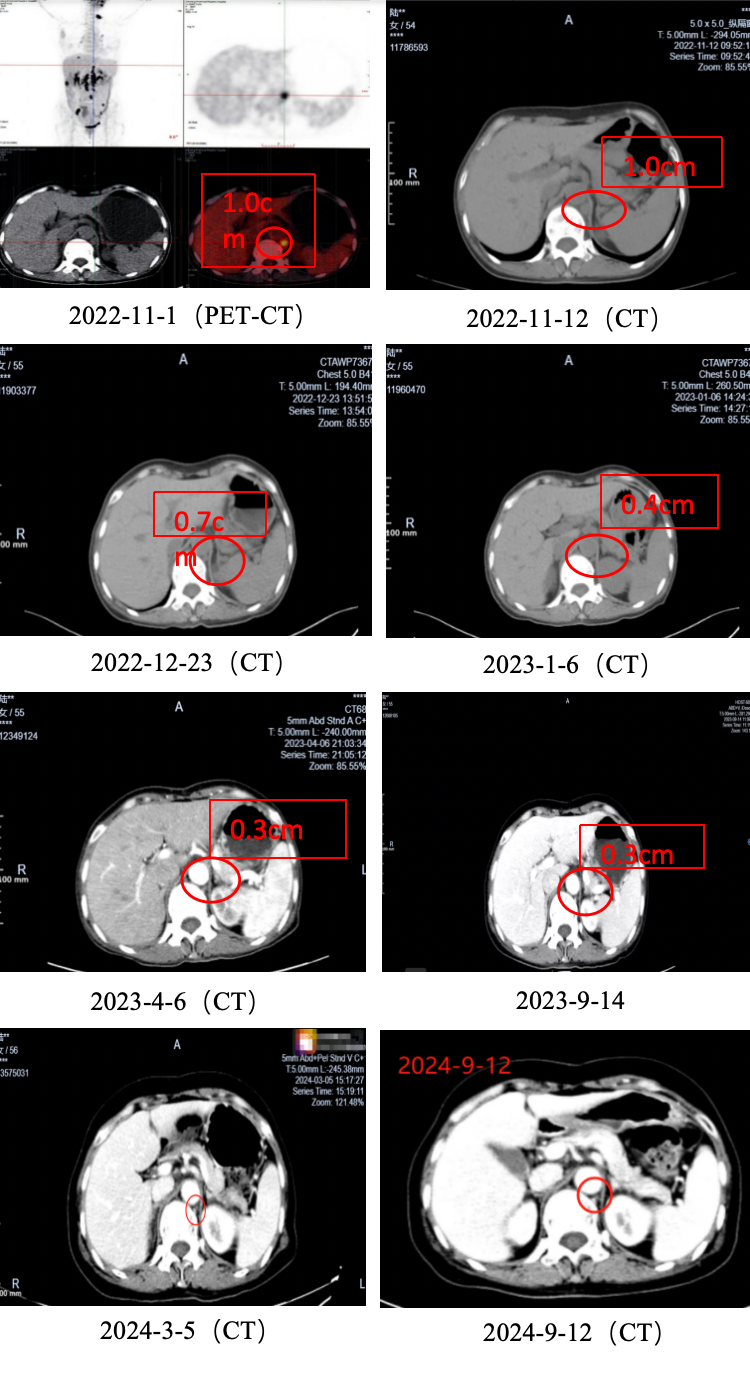
In November 2022, PET-CT and CT scans revealed enlarged lymph nodes posterior to the left diaphragmatic angle. These lymph nodes gradually shrank from December 2022 to April 2023. Follow-up examinations from September 2023 to September 2024 showed no change compared to previous findings, and the patient was advised to follow up.
Conclusion and Review< H445>
Long-term survival of cancer patients cannot be achieved solely through a certain treatment method, but rather through systematic treatment encompassingprecise diagnosis, standardized treatment, and postoperative rehabilitation. Ms. Luwas diagnosed with stageIV ovarian cancer, with distant metastasis at the time of diagnosis. Her postoperative2-year relapse-free period is not accidental. Ms. Lu's treatment experience tells us that
: Traditional chemoradiotherapy, akin to carpet bombing, may rapidly destroy visible tumors but also disrupts the body's immune microenvironment, which serves as a breeding ground for relapse and metastasis. While vNKT cell therapy can eliminate residual cancer cells, it can also reshape the immune microenvironment , fundamentally preventing recurrence and metastasis.
If you or your family members are facing difficulties in choosing treatment options, scan the QR code below and add our assistant on WeChat to get assistance:
* Obtain the second medical opinion from Professor Zhang Minghui: Personalized treatment plan, Professional expertise to help you find the most suitable survival strategy.
* Join the anti-cancer support community: Share experiences with more patients and receive support from real-life cases.

Scan QR code
to communicate with Professor Zhang Minghui's team
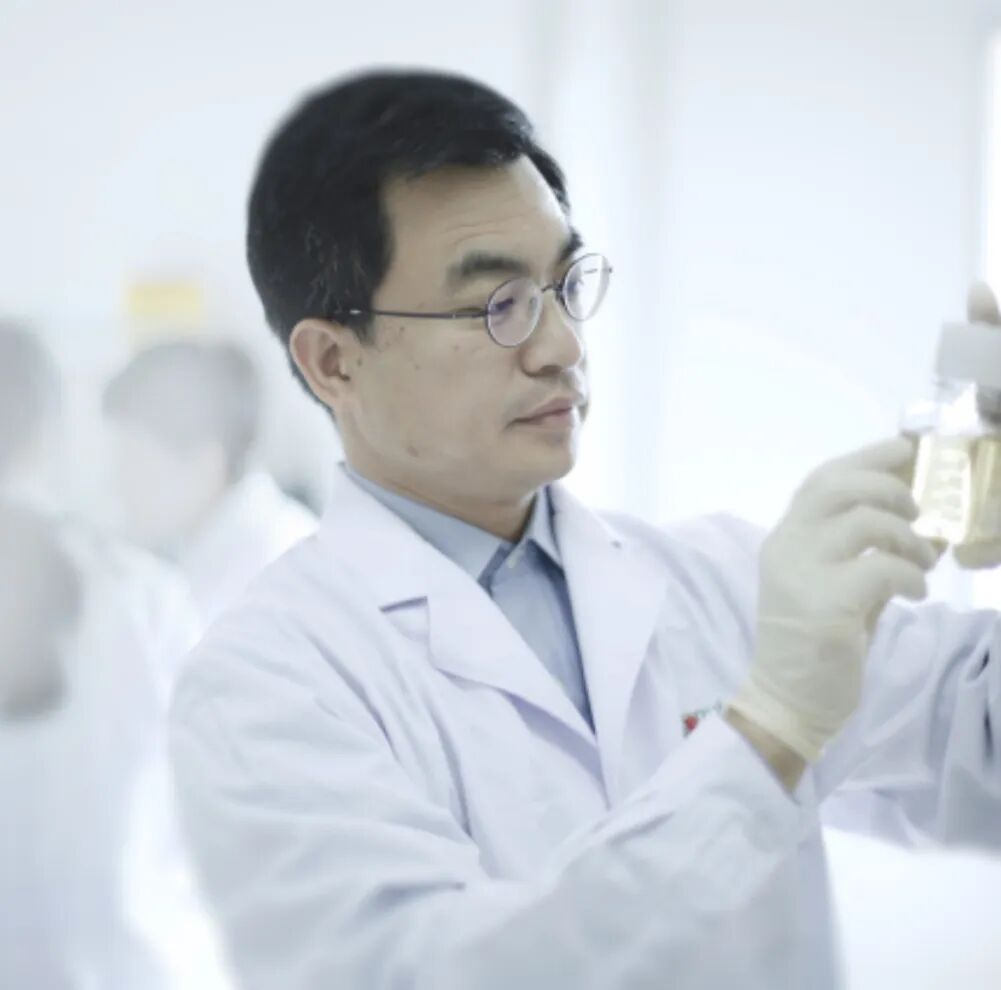
Founder of Lehe New Medicine
Professor Zhang Minghui, who holds a PhD in Immunology from Tsinghua University School of Medicine, has led a research team for over 20 years since the discovery of vNKT cells in 2002. They have accumulated treatment experience in over 700 cases of solid tumors, covering almost all common solid tumors. The research results fully demonstrate the great value of vNKT cells in the treatment of solid tumors.
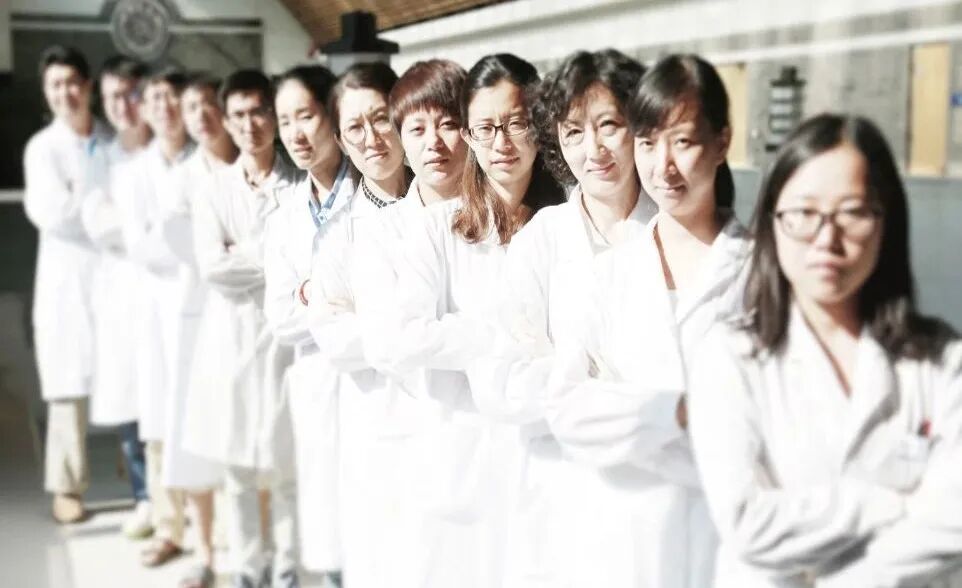
It is suitable for postoperative patients with high pathological malignancy or a risk of recurrence; patients whose tumors have been basically controlled but not cured through conventional treatments such as chemotherapy, radiotherapy, and targeted therapy; patients with persistent high carcinogenic factors; and patients intolerant to radiotherapy and chemotherapy. If these patients do not receive effective follow-up treatment after traditional anti-tumor therapy, recurrence, metastasis, or reoccurrence of tumors will be highly probable. In this case, vNKT cell therapy is an ideal follow-up treatment method, which can significantly improve the prognosis of patients.
[1]Cao Meiting, Geng Haiyan, Jia Haixia, et al. Observation on the Short-term and Long-term Efficacy of Neoadjuvant Chemotherapy Combined with Surgery for Advanced Ovarian Cancer[J]. Journal of Cancer Pharmacy, 2022, 12(4): 508-513. DOI: 10.3969/j.issn.2095-1264.2022.04.14.
[2]Liu Yana, Guo Ruixia The current status of initial and recurrent treatment for ovarian cancer [J]. Journal of Practical Oncology, 2024, 39(5): 407-412. DOI: 10.13267/j.cnki.syzlzz.2024.061.
Click on the image to view exciting content from previous issues


Address: Room 1101 (Unit 101), 11th Floor, Building 1, No. 7 Courtyard, Kexueyuan Road, Life Science Park, Changping District, Beijing
Phone:010-8265 9866
Email:lehemedneo@hotmail.com