Contact Us Careers
Lung Cancer

Dual primary lung cancer and breast cancer, choose the right method to win back the hope of survival

时间:2026-04-16 人气:

If you find it difficult to understand the subsequent professional descriptions, you can quickly read through this text within two minutes.

Overview of the disease


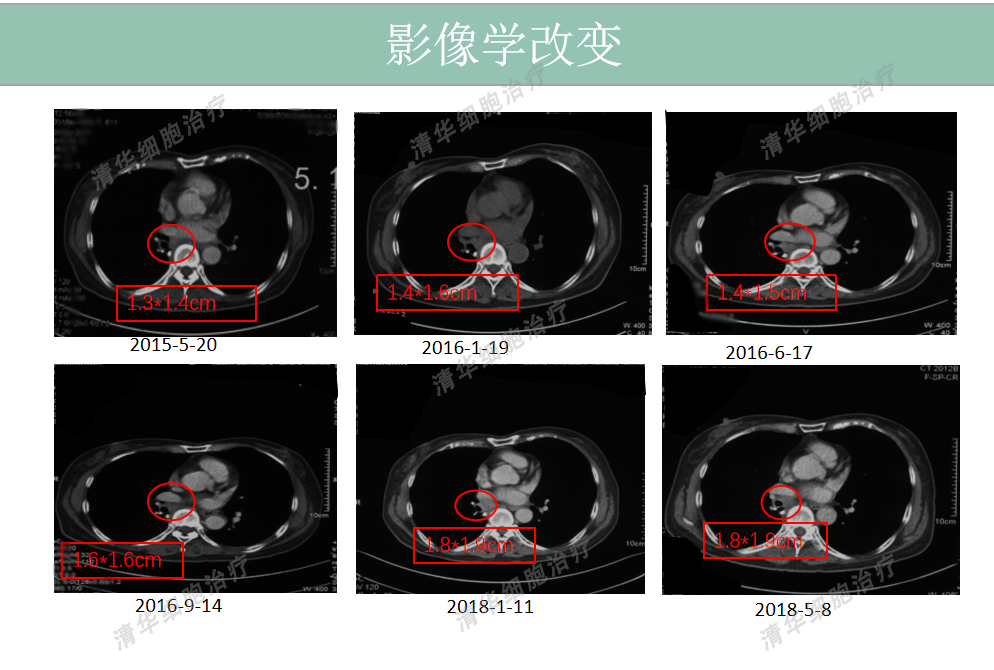
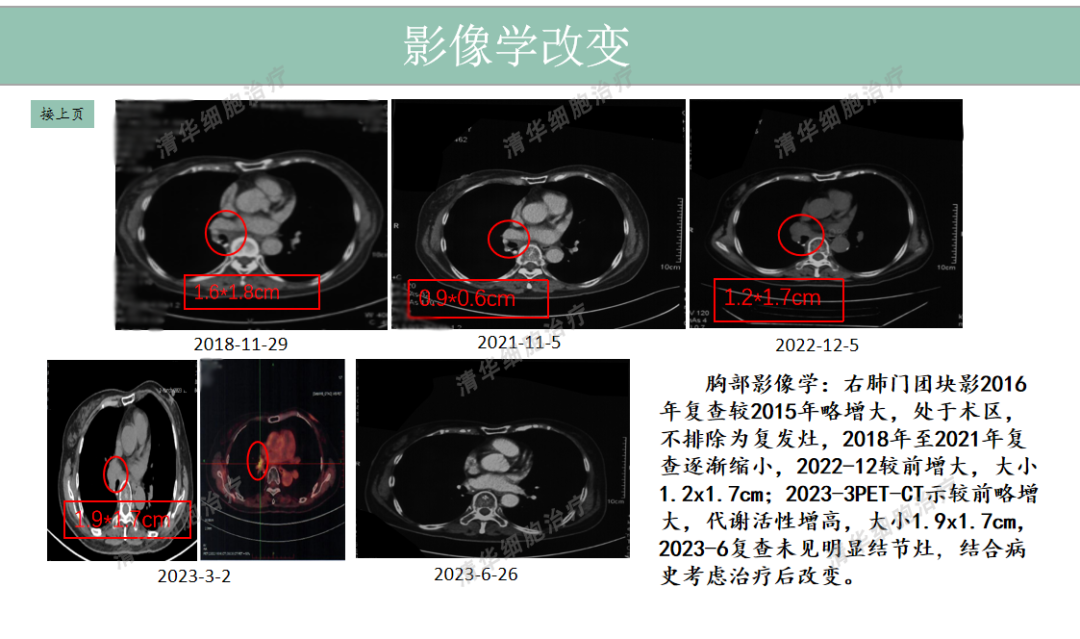
In mid-January 2015, Ms. Liu underwent a physical examination and discovered a nodule in the lower lobe of her right lung. She immediately went to the hospital for further examination: an irregular nodule was visible in the basal segment of the lower lobe of the right lung, measuring approximately 3cm*3.5cm, with visible spicules and lobulation. After diagnosis, she underwent "thoracoscopic lower lobe resection of the right lung + mediastinal lymph node dissection". Postoperative pathology: peripheral moderately differentiated squamous cell carcinoma, measuring approximately 3cm*2.2cm, with cancer thrombus visible in the blood vessels and no involvement of nerves. Lymph node metastasis was observed in group 7 (3/7).
Postoperatively, she received one cycle of gemcitabine + carboplatin chemotherapy, but it was discontinued due to severe bone marrow suppression.
In September 2015, the patient discovered a mass outside her left breast and underwent a biopsy to find tumor cells. On September 30th, she underwent radical mastectomy (breast-conserving) for left breast cancer, and postoperative pathology showed adenocarcinoma.
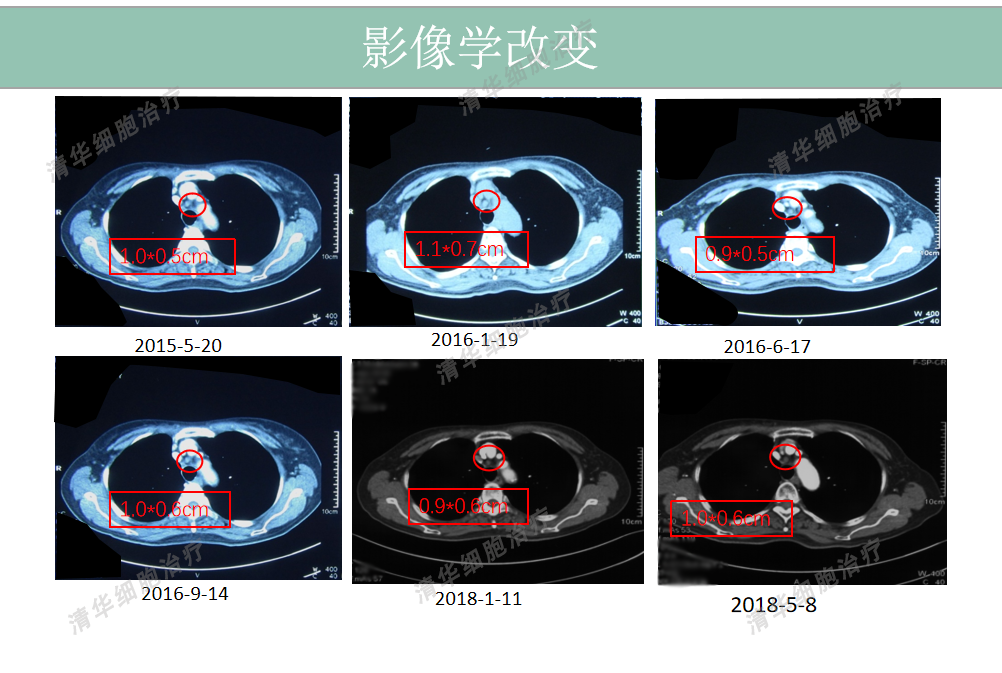
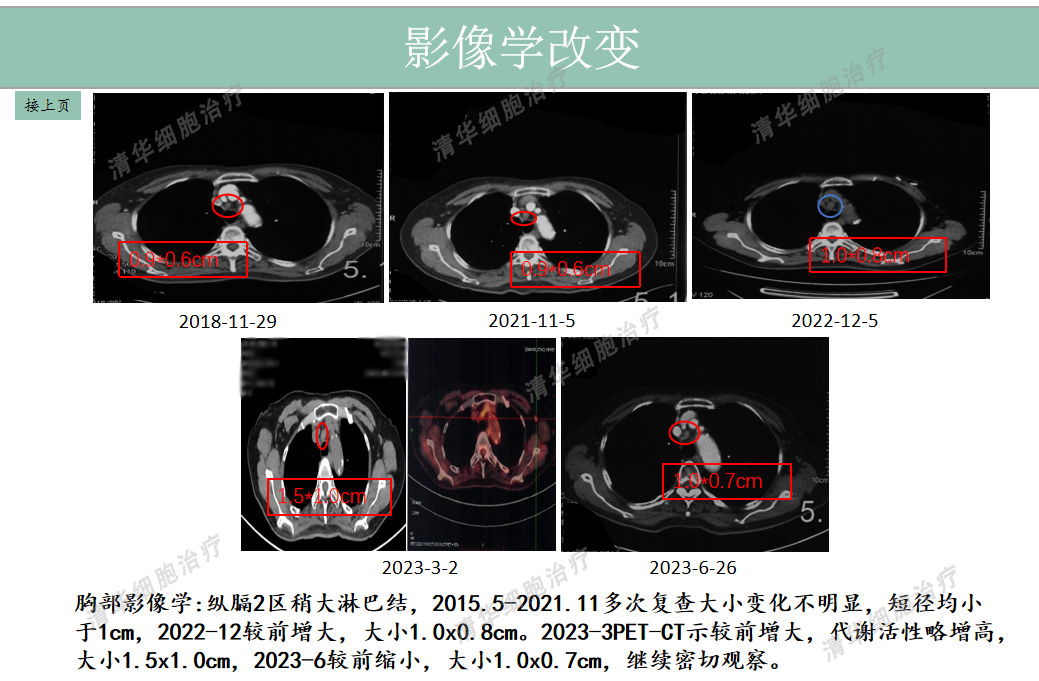
On March 2, 2023, a follow-up PET-CT scan showed significantly increased metabolic activity in the enlarged lymph nodes in the mediastinal 4R region, suggesting metastasis. Radiotherapy was administered to the metastatic lymph nodes.
Department
   
Pu
Small
Knowledge

knowledge


Multiple primary malignant neoplasms

Multiple primary malignant neoplasms (MPMN), also known as multiple cancers, refers to the occurrence of two or more primary malignant neoplasms in the same individual, either simultaneously or sequentially. The overall prevalence of this condition worldwide ranges from 1% to 37%. Clinically, dual primary cancers are the most common, followed by triple primary cancers, with quadruple or more primary cancers being relatively rare. Billroth was the first to promote research on multiple primary malignant neoplasms, pointing out that it is possible for an individual to develop two independent tumors simultaneously. Based on whether the cancers occur simultaneously, they can be classified as synchronous multiple primary cancers or metachronous multiple primary cancers. Patients with a treatment interval of less than one year between the first and second cancers are diagnosed with synchronous multiple cancers, while those with an interval of more than one year are diagnosed with metachronous multiple cancers.
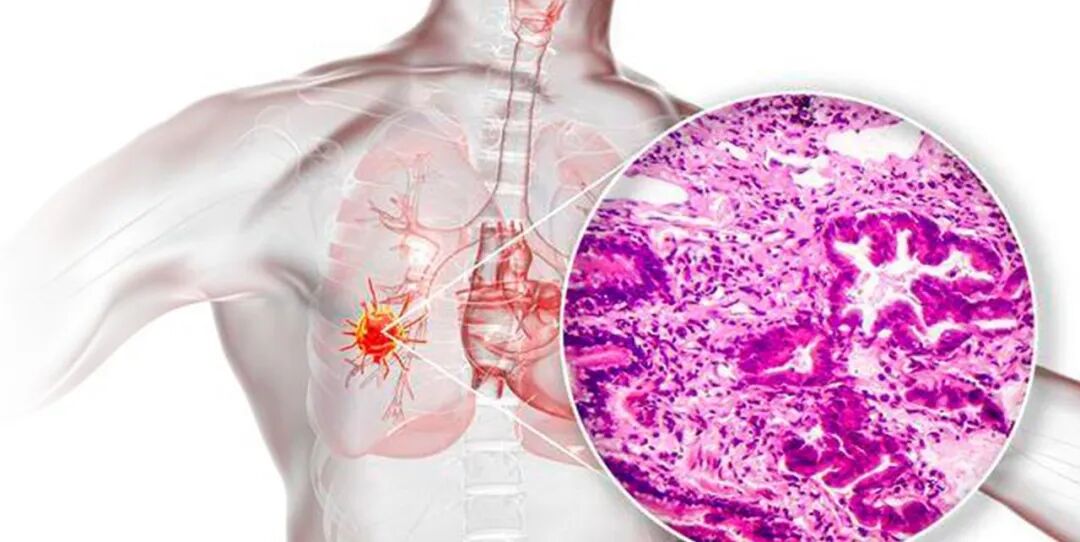


During the surgery for Ms. Liu's lung cancer, lymph node metastasis was discovered. Chemotherapy, which is typically applied, could not be administered due to severe side effects: bone marrow suppression. Both vascular cancer thrombus and lymph node metastasis indicate a high risk of lung cancer in Ms. Liu. Simply completing surgery still carries a significant risk of metastatic recurrence. Ms. Liu learned about Professor Zhang Minghui's vNKT technology at Tsinghua University School of Medicine through a friend's recommendation and carefully reviewed the displayed cases of vNKT cell therapy. She particularly hoped to try it to reduce the risk of tumor recurrence and delay the occurrence of recurrence/metastasis.
After reviewing Ms. Liu's medical records, Professor Zhang Minghui made the following analysis and judgment:
1. The patient underwent radical surgery for early-stage tumor detection through physical examination, and the postoperative staging was relatively early.  

2. The discovery of vascular thrombi and lymph node metastasis in postoperative pathology indicates that cancer cells have entered the bloodstream and spread to various parts of the body, posing a higher risk of recurrence and metastasis.

3. Although the patient underwent radical surgery, severe side effects prevented them from completing chemotherapy. vNKT therapy utilizes powerful immune cells to eliminate tumor cells that may remain undetected in the body, with essentially no side effects, thereby reducing the risk of tumor recurrence.
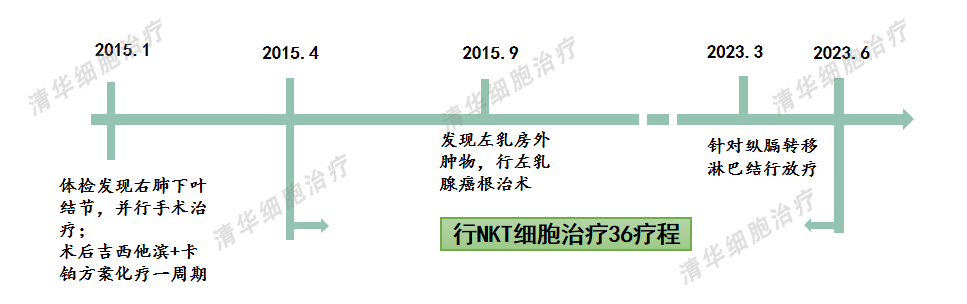
 

Ms. Liu decided to undergo vNKT cell immunotherapy in April 2015, with an initial plan of six courses per year. However, after five months of treatment, Ms. Liu discovered a tumor outside her left breast and underwent a breast-conserving radical mastectomy for left breast cancer.
Being diagnosed with lung cancer less than a year later and then being diagnosed with breast cancer again meant that Ms. Liu had "simultaneous recurrent cancer," indicating that cancer cells had already formed lesions in her body. If it weren't for the addition of cell immunotherapy, the diagnosis of breast cancer might have come even sooner. The progression of the disease was like a car driving, which could only be braked at the beginning, slowing down the acceleration, but the car would still slide forward, but eventually it would stop safely. Following Professor Zhang's advice, conventional surgical treatment was performed, followed by continuous vNKT cell immunotherapy . In November 2019, the treatment was adjusted to one course every four months .
In March 2023, lymph node metastasis was discovered. For Ms. Liu, who is 70 years old, systemic chemotherapy was too harsh to tolerate. Therefore, radiotherapy was chosen to locally reduce tumor burden, minimize damage to the body, and preserve her own immunity. Subsequently, immediate follow-up vNKT cell immunotherapy was adjusted to one course per month for consolidation and reinforcement.


Image Aspects


Tumor markers

Month
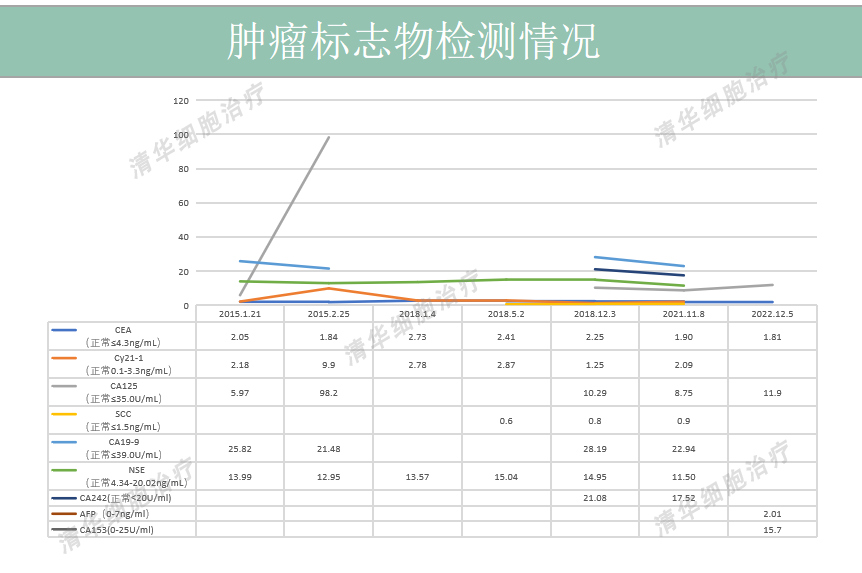
Preoperative patient: On January 21, 2015, tumor marker tests indicated normal ranges for CEA, Cy21-1, and other tested indicators. One month post-surgery, Cy21-1 and CA125 levels were found to be higher than normal, which was considered to be caused by surgery. Subsequent tumor marker tests were within normal ranges.


 Conclusion and Comments


Although Ms. Liu experienced metastasis after 36 courses of continuous systemic treatment, she managed to survive for 8 years with a stable condition, and her quality of life improved significantly.
The occurrence of multiple primary cancers may be related to the following factors: (1) Genetic factors: Patients with multiple primary cancers have a higher incidence of family history of cancer compared to general patients. (2) Long-term adverse effects of treatment for the first primary cancer: Radiotherapy: Direct effects of radiation or indirect effects of free radicals cause DNA damage in cells. Chemotherapy drugs: Alkylation agents, mitomycins, adriamycin, etc., have varying degrees of carcinogenic effects. (3) Long-term stimulation from certain chronic inflammatory reactions with precancerous lesions and certain adverse physicochemical factors, such as smoking and alcohol consumption [1].
The severe side effects of chemotherapy after Ms. Liu's lung cancer surgery, combined with surgical trauma and severe chemotherapy side effects, have weakened her immune system, all of which may have contributed to the occurrence of breast cancer. Post-lung cancer surgery pathology revealed vascular thrombi and lymphatic metastasis. Cancer cells can metastasize to various locations throughout the body via blood flow, forming micro-lesions that remain latent within the body. Regardless of the extent of resection of the primary cancer, it does not affect the continuous growth of metastatic lesions. vNKT therapy utilizes powerful immune cells to eliminate tumor cells that may remain undetected in the body, strengthening the patient's immune system. As an elderly cancer patient, Ms. Liu is no longer suitable for treatments with significant trauma and severe side effects such as surgery and chemotherapy. vNKT therapy, a treatment with essentially no side effects, is the most suitable for Ms. Liu's condition and is the best choice for both the patient and her family.

See References:

[1]Zhang Chao, Huang Huizhen, Cao Xiaolong, et al. Clinical analysis of 8 cases of synchronous or metachronous multiple primary cancers [J]. Jilin Medical Journal, 2009, 30: 2639-2639.

Click on the image

to view