Contact Us Careers
Hepatobiliary and Pancreatic Cancers

How did a liver cancer that recurred 6 times within 5 years become a "chronic disease"?

时间:2026-04-27 人气:

 Cancer is not terrifying; it can be prevented and treated. The key lies in having the right mindset and scientific methods!

— Tsinghua University. Zhang Minghui

01

 Case Analysis

If you cannot understand the subsequent professional description

you can finish reading this text in two minutes

To determine whether a treatment method is suitable for a patient, it is not only evaluated based on the "good" or "bad" efficacy, but also requires a longer time horizon to draw a comprehensive conclusion.
Especially for cancer treatment methods, the ultimate PK is overall survival (OS). In layman's terms, it is about who can make patients live longer and have a better quality of life.  
The concept that "cancer is a chronic disease" is quite popular and is also a possible goal to achieve. The "chronic" part is the key.
But it also means that the process of fighting cancer will not be smooth sailing, and there will be frequent counterattacks. What we need to do is to coexist with it, using both wisdom and courage.

Brief Introduction to Mr. Lei's Condition

Mr. Lei is such a patient who often suffers from the counterattack of illness, but due to appropriate treatment strategies and timely intervention, he has successfully turned his dangerous liver cancer into a "chronic disease".  

In September 2011, Mr. Lei was found to have intrahepatic space-occupying lesions and underwent tumor resection in October of the same year. The diagnosis was liver cancer with intrahepatic metastasis, and the postoperative pathology showed moderately differentiated hepatocellular carcinoma. He was also treated with antiviral therapy and traditional Chinese medicine.

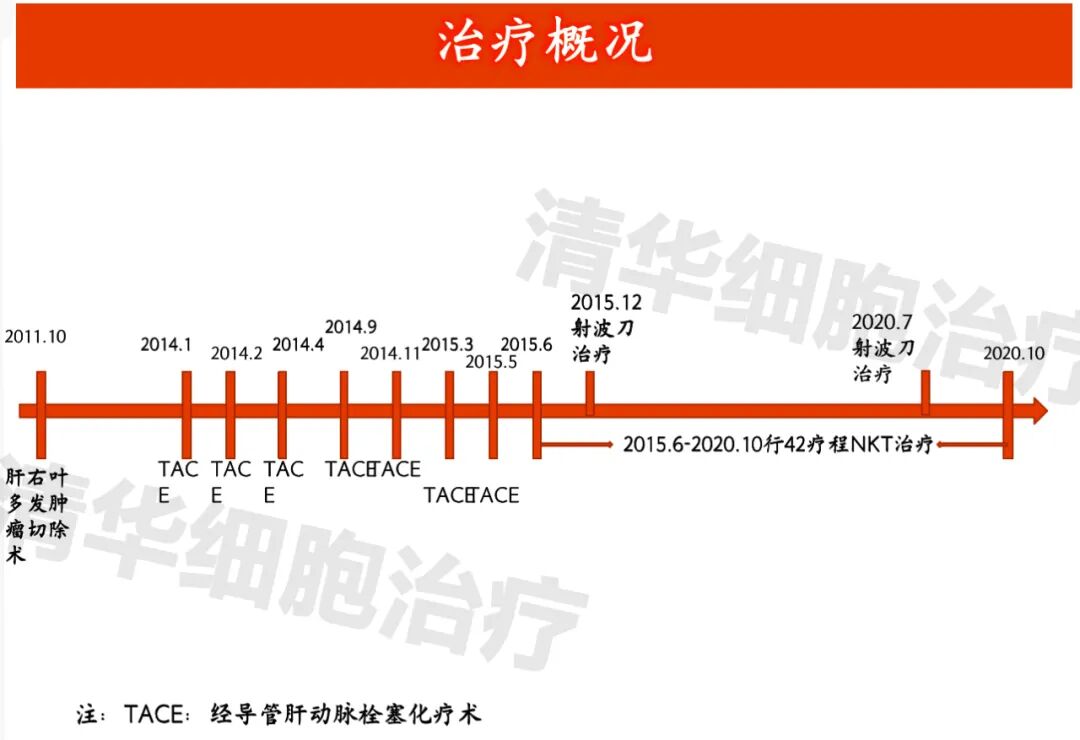
About two and a half years later, intrahepatic recurrence was found. Starting from January 2014, he underwent six consecutive transcatheter arterial chemoembolization (TACE) procedures for control.

In March 2015, a new lesion was found in the left lateral lobe of the liver, and TACE was performed again for control. Two months later, another new liver cancer sub-lesion was found, and TACE was still used for treatment. After two months, a PET-CT scan was performed, and it was considered that the right lobe of the liver still had tumor activity. Therefore, in December 2015, he underwent cyberknife treatment.

The repeated recurrence of intrahepatic lesions four times has caused Mr. Lei great suffering, and the intervals between recurrences are very short. It can be seen that the cancer cells are very active and aggressive. If there is no effective treatment to suppress them, it is likely that his body will not be able to withstand the next recurrence.
In June 2015, after consulting with the Tsinghua Cell Therapy Team, Mr. Lei began to undergo NKT cell immunotherapy, hoping to control the activity of cancer cells and delay the occurrence of recurrence/metastasis.  
As of January 2020, after 36 consecutive courses of systemic treatment (treatment duration of 55 months), 6 follow-up visits, and imaging examinations, no new tumor lesions were observed; the patient's quality of life was excellent, with fair and ruddy skin, abundant energy, and participation in marathon events every year. The frequency of "recurrence every two months" was successfully extended to five years without any new lesions!
However, cancer cells are very cunning and still waiting for an opportunity to strike. The pandemic in 2020 has delayed the normal treatment of most cancer patients.  
This is especially true for Mr. Lei, who is currently in Wuhan. During the majority of the year when NKT cell infusion was not possible, the tumor marker AFP began to gradually increase, and new lesions were observed in the liver on imaging!
Will the nightmare of a few years ago recur? After listening to the advice of Professor Zhang Minghui from Tsinghua University School of Medicine, Mr. Lei immediately underwent precise radiotherapy (cyberknife) treatment for the recurrent lesions in the liver and immediately resumed the enhanced NKT cell infusion regimen.  
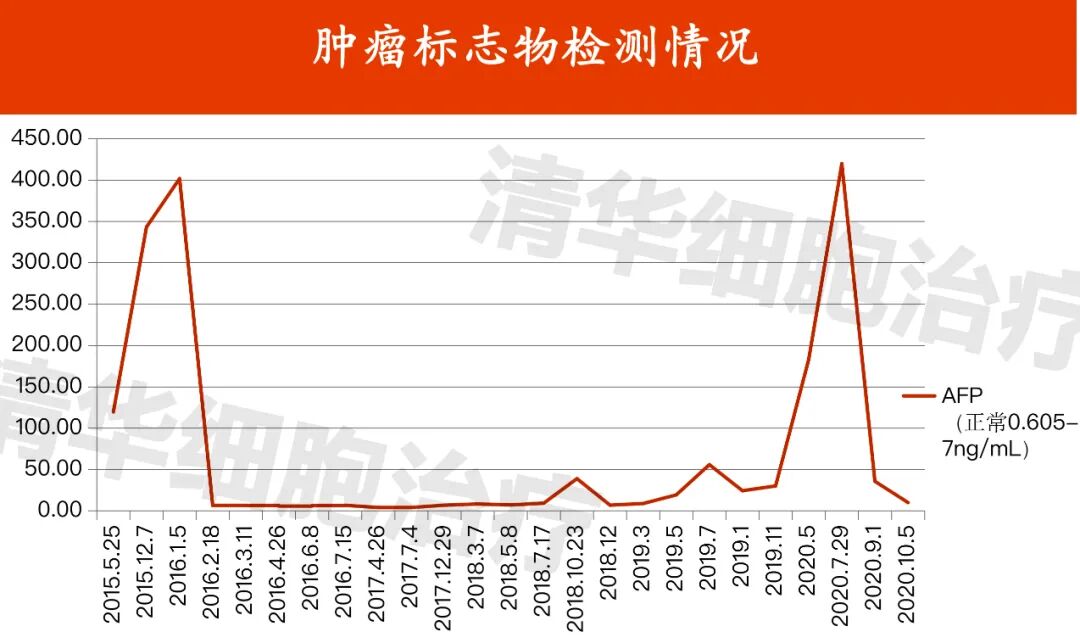
Tumor marker results showed that alpha fetoprotein (AFP) levels continued to increase from May 2015 to January 2016, which was considered to be related to tumor recurrence. From February 2016 to December 2017, AFP levels decreased to normal levels, which was considered to be related to the reduction of liver tumors with the cyberknife and combined with NKT cell therapy; From March 2018 to October 2018, AFP was slightly higher than normal. In November 2019, an increase in AFP was associated with intrahepatic tumor metastasis. After undergoing cyber knife treatment in July 2020, there was a noticeable downward trend, and close monitoring was continued.
From the tumor marker change graph, it is evident that the repeated recurrences in the early stages were suppressed after five years of NKT cell immunotherapy, and no recurrence occurred. However, six months after stopping treatment, the cancer cells became active again, and new lesions appeared.  
However, based on previous treatment experience, as long as the momentum of the disease is suppressed again and NKT immune cell infusion is continued, it is still possible to maintain stability for another five years.
Living with tumors for a long time and suppressing their activity to achieve an increasingly longer survival period is what it means to turn cancer into a "chronic disease."

02

 Treatment Overview


Treatment Overview of Mr. Lei

The patient was diagnosed with primary liver cancer due to an intrahepatic space-occupying lesion discovered in September 2011
On October 4, 2011, the patient underwent resection of multiple tumors in the right lobe of the liver. During the operation, a total of 2 lesions were found in the seventh and eighth segments of the right lobe of the liver, and the diagnosis was liver cancer with intrahepatic metastasis. Postoperative pathology showed moderately differentiated hepatocellular carcinoma. After surgery, the patient received antiviral and anti-tumor traditional Chinese medicine treatment, but the specifics are unknown.
In 2014, on 1st day of January, 2nd day of February, 17th day of April, 29th day of September, and 21st day of November, the patient underwent transcatheter arterial chemoembolization (TACE) treatment 5 times.
On December 10, 2014, an MRI of the liver showed changes after intervention for liver lesions. The nodules in the liver were slightly smaller than before, and no obvious new lesions were found.    
On March 19, 2015, a follow-up MRI of the liver showed changes after interventional therapy for liver lesions, with slightly smaller nodules within the liver compared to previous scans; a new lesion was found in the left lateral lobe of the liver near the capsule.On March 27, a TACE procedure was performed on the lesion in the left lobe of the liver.    
In May 2015, a follow-up examination revealed a small nodule shadow near the capsule of the left lateral lobe of the liver, which was considered to be a subcapsular lesion of liver cancer. On May 14, 2015, a hepatic artery chemotherapy and embolization procedure was performed for liver tumors.
On July 3, 2015, a PET-CT scan was performed, suggesting the presence of tumor activity in the right lobe of the liver.    
On December 10, 2015, at Changhai Hospital, a cyber knife treatment was administered.   
In January 2020, due to the pandemic, cell therapy was temporarily suspended. In July 2020, two new active lesions were found in the liver during a follow-up examination. On July 29, 2020, cyber knife treatment was performed.
NKT cell immunotherapy began in June 2015, with a regimen of 1 course per month, continuously and uninterruptedly. In March 2017, it was changed to 1 course every 2 months. From January to July 2020, cell therapy was suspended due to the pandemic. In August, September, and October 2020, the regimen was intensified, and a total of 42 courses were completed by October 2020    


03

 Imaging data


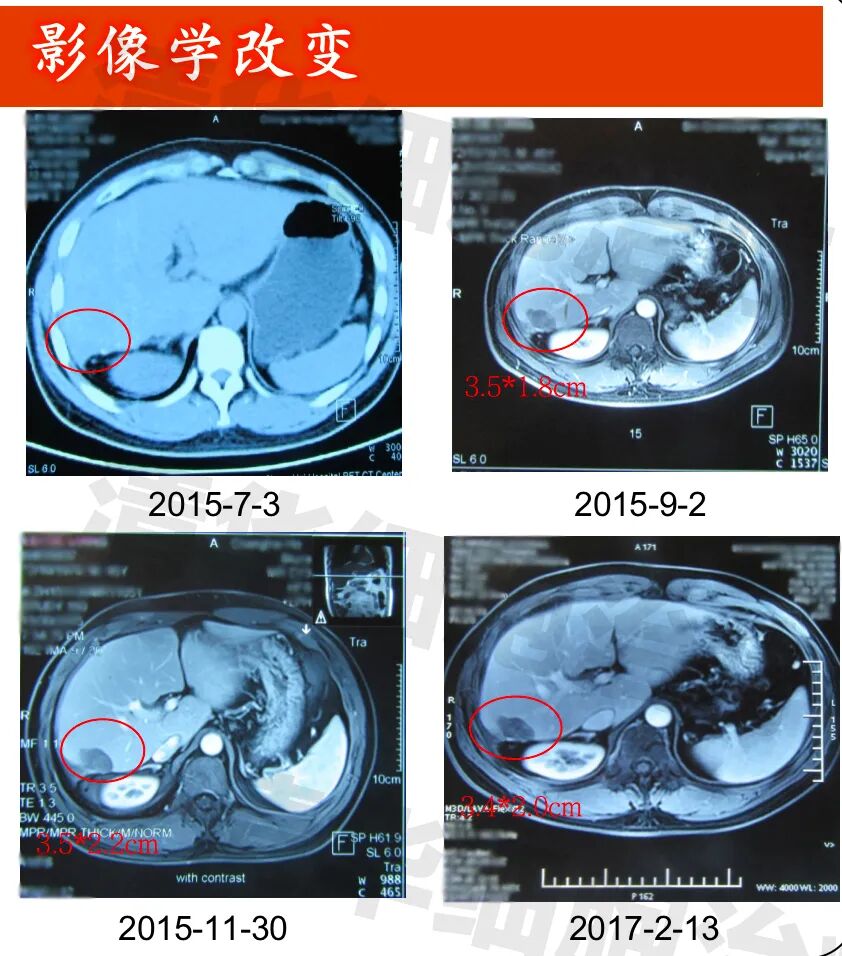
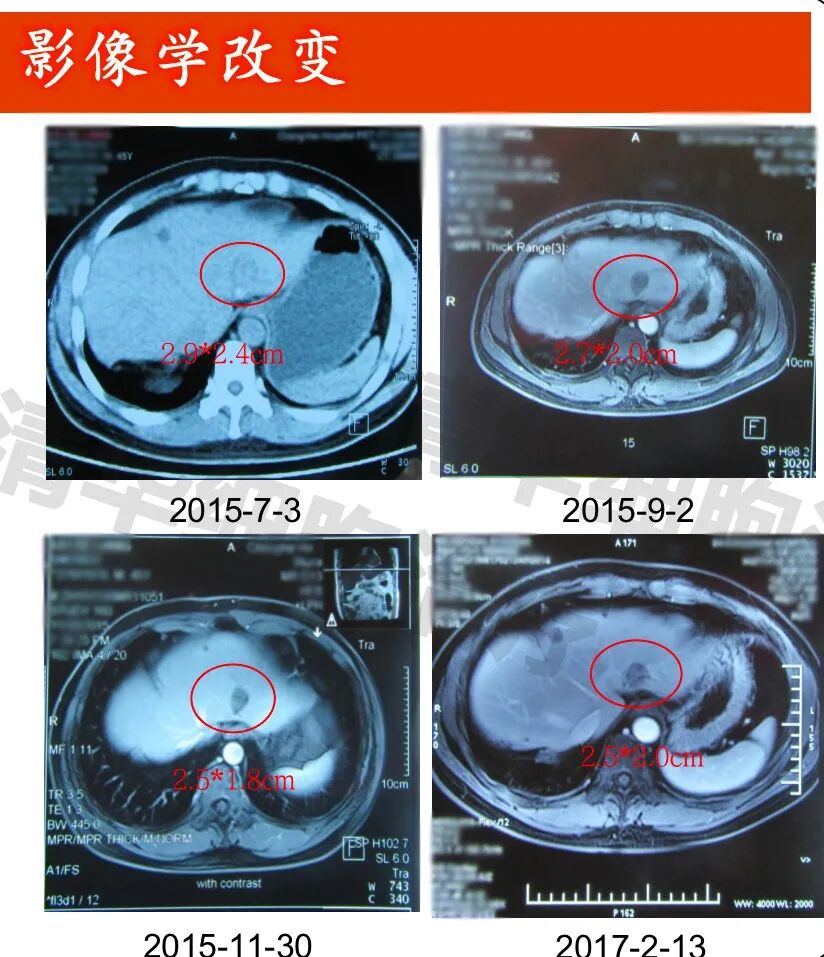
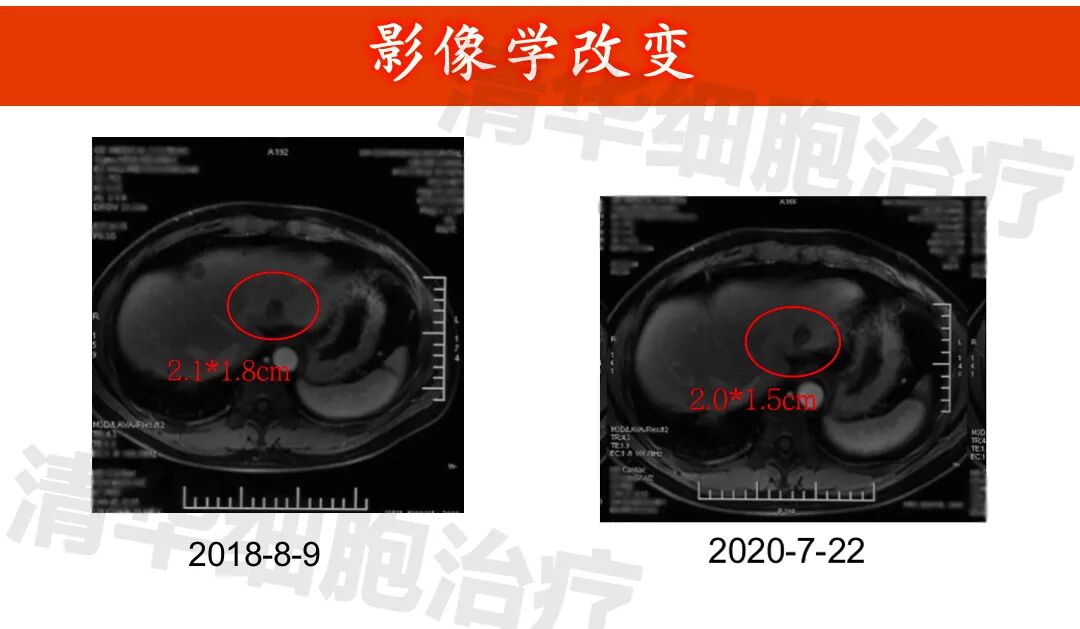
Right lobe lesion 1 of the liver: 1. On July 3, 2015, a PET-CT scan was performed, but the lesion was not clearly visible and was not measured. All other examinations were MRI; 2. The lesion showed post-treatment changes, with no significant abnormal enhancement, and the size of the lesion did not change significantly.          

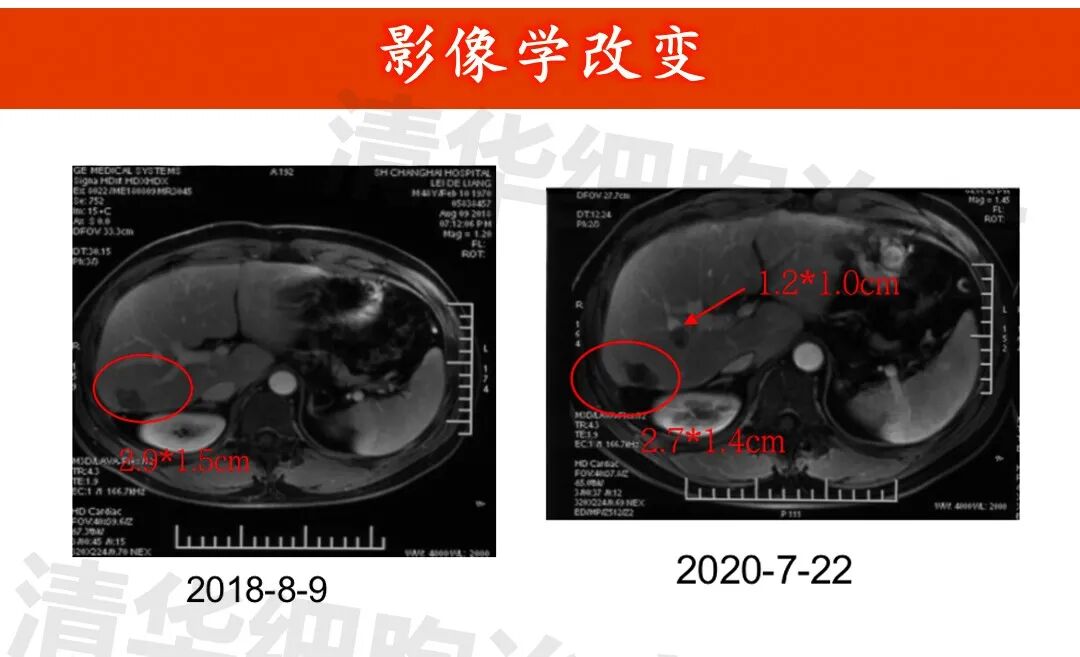
Lesion 1 in the right lobe of the liver: 1. On July 3, 2015, a PET-CT scan was performed, but the lesion was not clearly visible and was not measured. All other examinations were MRI scans; 2. The lesion showed post-treatment changes, with no significant abnormal enhancement observed, and the size of the lesion did not change significantly.New lesion in the right lobe of the liver: approximately 1.2*1.0cm in size (indicated by the red arrow), regular monitoring is recommended.
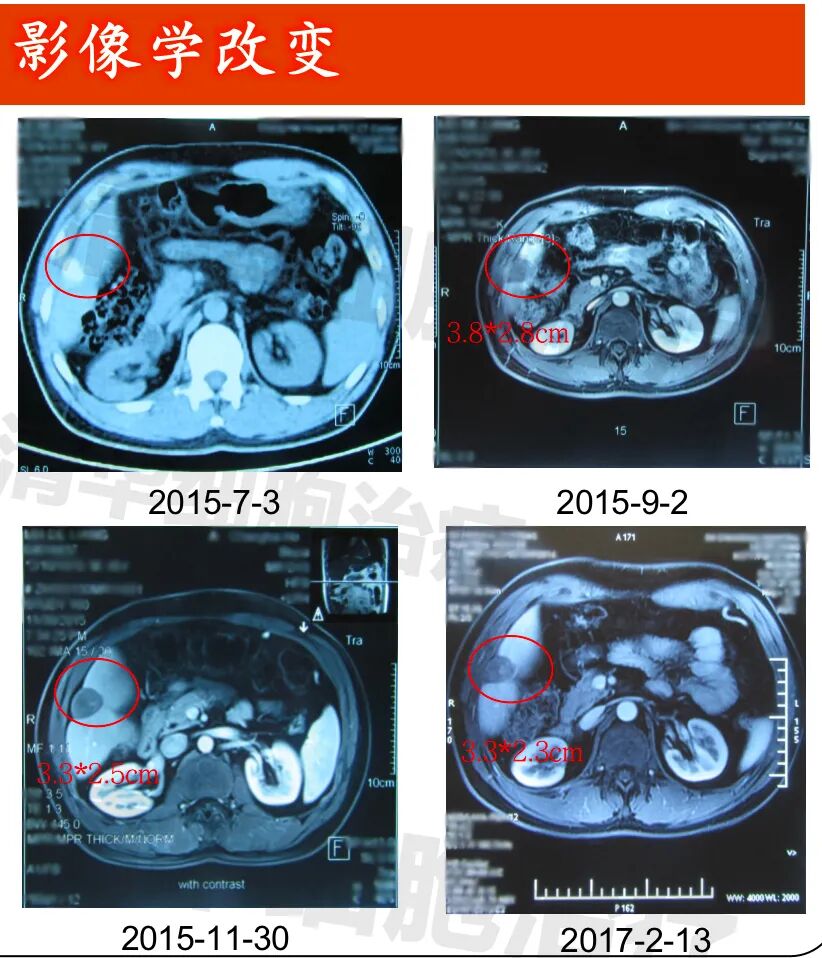
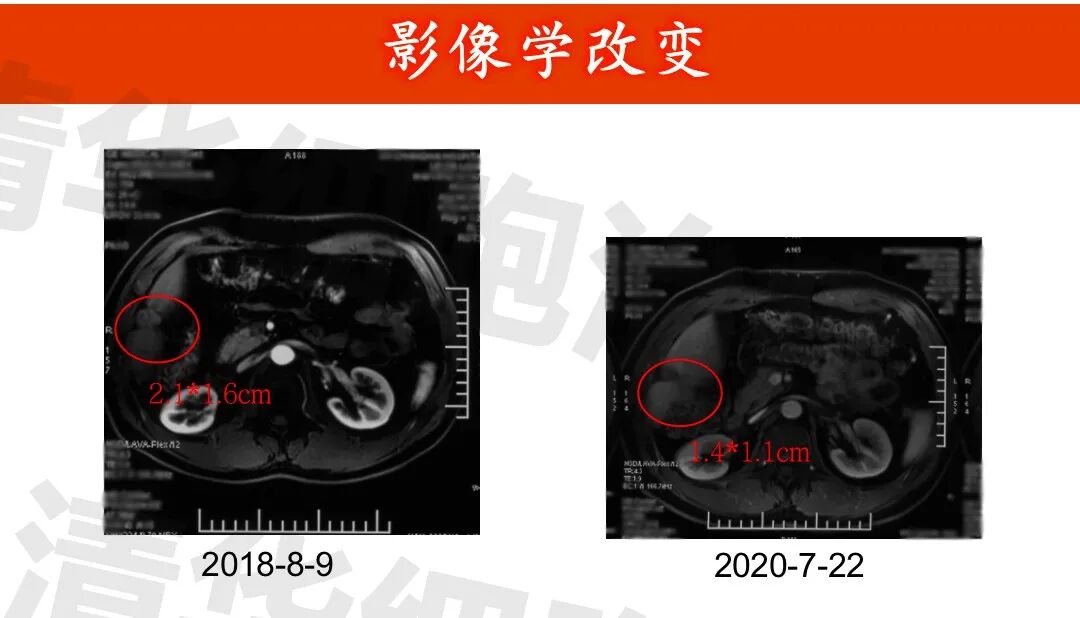
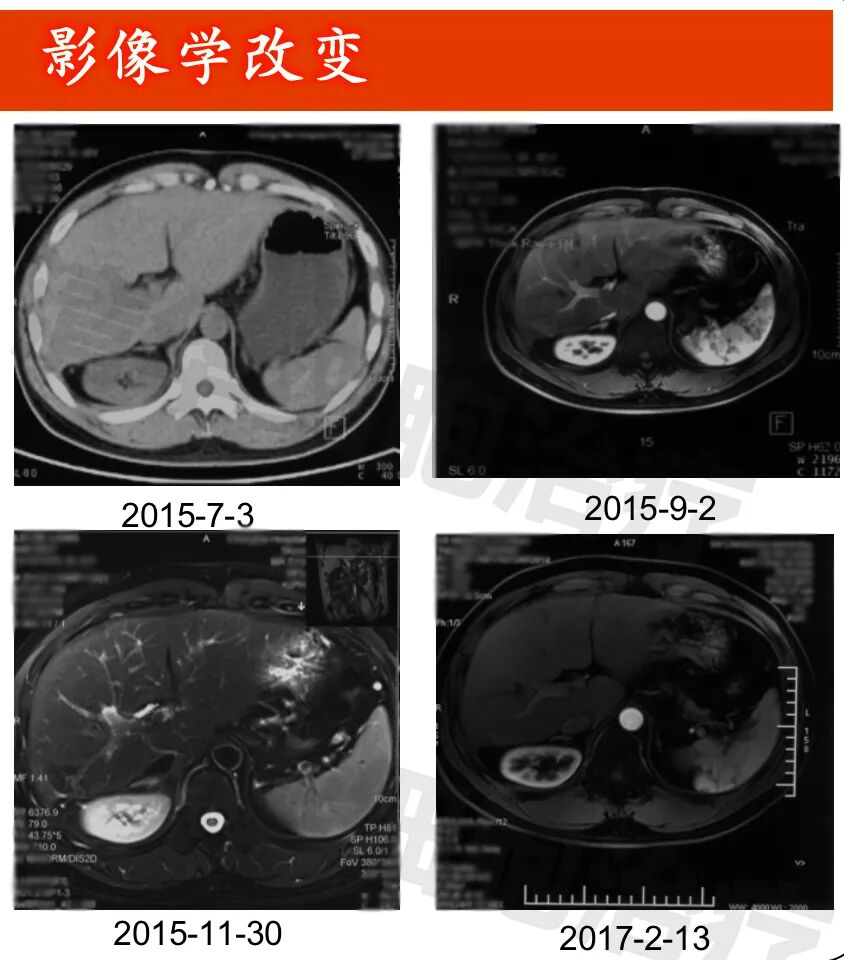
Lesion 2 in the right lobe of the liver: 1. On July 3, 2015, a PET-CT scan was performed, but the lesion was not clearly visible and was not measured. All other examinations were MRI; 2. The lesion showed post-treatment changes, with no significant abnormal enhancement observed, and the lesion gradually shrunk.

Right lobe lesion 2 of liver: 1. On July 3, 2015, a PET-CT scan was performed, but the lesion was not clearly visible and no measurements were taken. All other examinations were MRI scans; 2. The lesion showed post-treatment changes, with no significant abnormal enhancement observed, and the lesion gradually shrunk.

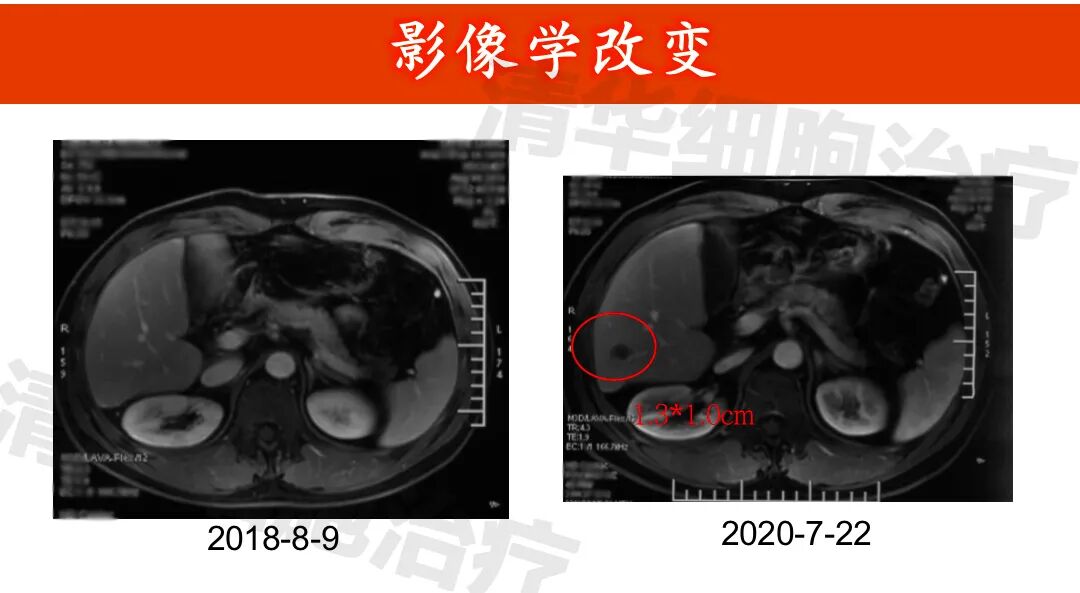
New lesion in the right lobe of the liver: On July 22, 2020, a new lesion measuring 1.3*1.0cm was found in the right lobe of the liver

Lesion 1 in the left lobe of the liver: 1. On July 3, 2015, a PET-CT scan was performed, but the lesion was not clearly visible. All other examinations were MRI; 2. The lesion showed post-treatment changes, with no significant abnormal enhancement observed, and the lesion size did not change significantly.

Lesion 1 in the left lobe of the liver: (2) 1. On July 3, 2015, a PET-CT scan was performed, but the lesion was not clearly visible. All other examinations were MRI; 2. The lesion showed post-treatment changes, with no significant abnormal enhancement, and the size of the lesion did not change significantly.          

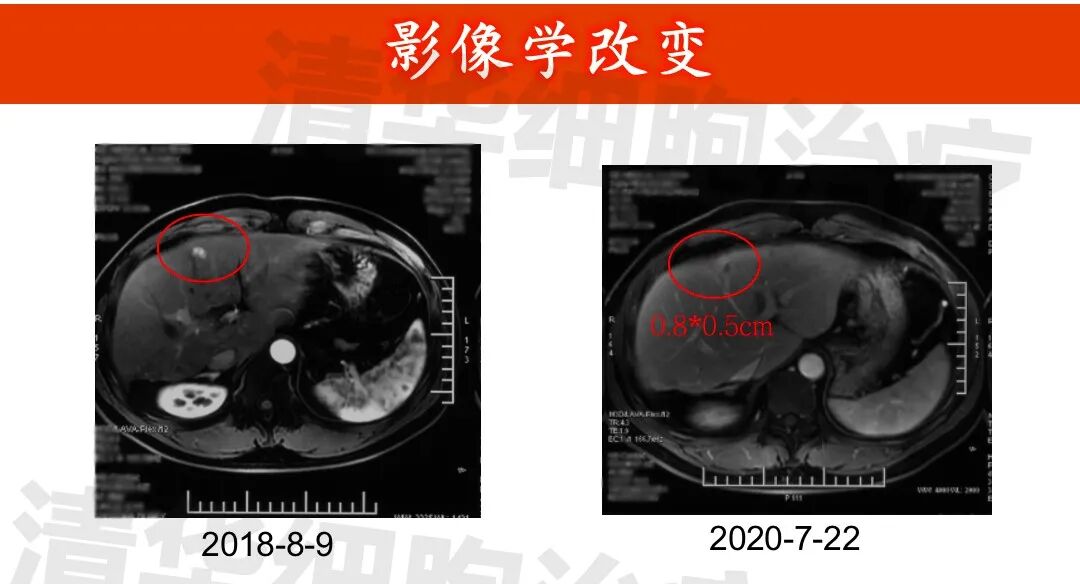
Lesion 2 in the left lobe of the liver: 1. On July 3, 2015, a PET-CT scan was performed, but the lesion was not clearly visible. All other examinations were MRI scans; 2. In August 2018, an enhanced shadow was observed in the left lobe of the liver. From July 2015 to February 2017 and July 2020, no lesion was observed in the left lobe of the liver. Consider vascular variation? Close follow-up is recommended.          

Lesion 2 in the left lobe of the liver: 1. On July 3, 2015, a PET-CT scan was performed, but the lesion was not clearly visible. All other examinations were MRI scans; 2. In August 2018, an enhanced shadow was observed in the left lobe of the liver. From July 2015 to February 2017 and July 2020, the left lobe of the liver was not visible, possibly due to vascular variation? Close follow-up is recommended.
NKT Classic Case Review          

Click on the image

to view

"Using a 6-Year Gastric Cancer Case to Tell You How Powerful the Tail Effect of Immunotherapy Is?"

《 How can dual primary patients with lung adenocarcinoma and cholangiocarcinoma smoothly pass the 5-year survival period?


Popular science is a form of charity
<<<Long press to scan QR code

Follow Tsinghua Cell Therapy

Popular science is a form of charity. Click“Watch” to share with everyone