Leave your message or request below and we will get back to you as soon as possible.
vNKT clinical trial · patient screening form
We are conducting a clinical study on vNKT immunotherapy. This form is for preliminary screening only; saving it does not mean enrollment. Information is used for screening only; separate informed consent will be signed before formal enrollment.
Part 1: Basic information
2. Sex
years
4. Nationality
Part 2: Disease and medical history
9. Treatments received (multiple choice)
10. Performance status (ECOG reference)
Part 3: Initial screening criteria
11. Are you 18 years of age or older?
12. Are you willing to participate and able to sign informed consent?
13. Known severe allergy, especially to biological products or monoclonal antibodies?
14. Active, uncontrolled severe infection (e.g. HBV, HCV, HIV, syphilis)?
15. Severe uncontrolled cardiac disease (e.g. NYHA III–IV), lung disease, or other major organ dysfunction?
16. Active autoimmune disease or need for systemic immunosuppression?
17. Pregnant or breastfeeding?
18. Participated in another drug or device trial within the past 6 months?
Part 4: Self-report and additional information
20. What do you hope to achieve through this immunotherapy study? (multiple choice)
Tip: For extensive records, you may contact the clinical study coordinator to submit pathology, imaging, or discharge summaries.
This method has a strong "immune memory effect", which rectal cancer patients must be aware of
时间:2026-04-27 人气:
Disease Overview
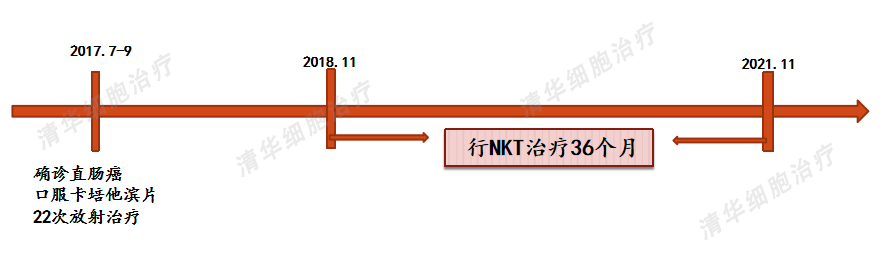
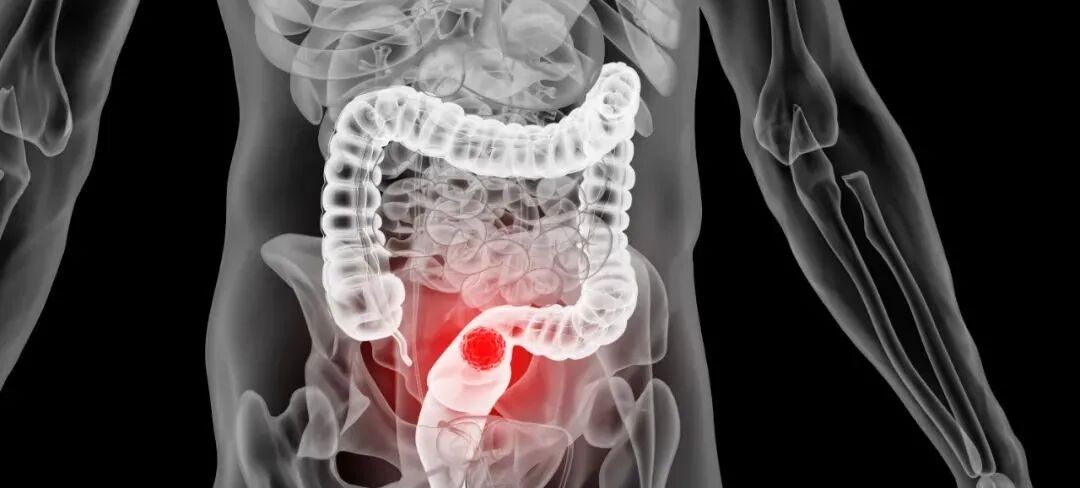
If you can't understand the subsequent professional description, just take two minutes to read this text. Today, I will show you a case of a rectal cancer patient who has been undergoing NKT cell immunotherapy for four years without experiencing recurrence or metastasis. (Click to view previous cases1. Will radiotherapy combined with immunotherapy become the best treatment for rectal cancer? 2. Pressing the 'pause' button on cancer progression, immunotherapy is the key )Mr. Ma discovered blood in his stool in November 2016, but he did not pay attention to it until May 2017 when he noticed an increase in the frequency of bloody stools. In July 2017, he underwent a colonoscopy and was diagnosed with rectal cancer. The pathological type was moderately differentiated adenocarcinoma. Rectal cancer has a relatively good prognosis among gastrointestinal malignancies, partly because some rectal cancers have obvious symptoms in their early stages (such as bloody stools and changes in bowel habits). At the same time, rectal cancer develops slowly, and many patients take 5-10 years to progress from benign lesions to rectal cancer. In China, 70% of rectal cancers are low-set rectal cancers, which can be detected solely through digital rectal examination. However, these are all based on the principle of early detection and early treatment. In Mr. Ma's examination, it was found that the tumor on his rectum was only 1cm away from the anus, making it difficult to preserve the anus through conventional surgical treatment. After weighing the quality of life against the harm of the tumor , Mr. Ma chose radiotherapy instead of traditional surgical treatment.
Mr. Ma underwent 22 rounds of radiotherapy from August 13 to September 13, 2017, and during the radiotherapy, he took capecitabine tablets (1.5g twice daily) for chemotherapy. Although the radiotherapy plus chemotherapy regimen effectively suppressed tumor progression, Mr. Ma was worried about the presence of residual tumor cells due to not undergoing conventional surgical treatment. Through a friend's recommendation, Mr. Ma and his family learned about Professor Zhang Minghui's NKT technology at Tsinghua University School of Medicine and carefully researched the demonstrated cases of NKT cell immunotherapy, particularly hoping to try it to address potential future risks. After reviewing Mr. Ma's medical records, Professor Zhang Minghui made the following analysis and judgment: 1. The patient chose the radiotherapy plus chemotherapy regimen without undergoing conventional surgical treatment, which was very wise. It ensured the quality of life and avoided the trauma caused by surgery. 2. Radiotherapy + chemotherapyshows very obvious effects in the short term. However, it is still unclear whether recurrence or metastasis may occur after a long period of time. Therefore, surgery remains the preferred choice for conventional treatment3. The most challenging part of treating malignant tumors is their ability to continuously metastasize or recur, akin to "wildfire that cannot be extinguished, spring breeze that brings new growth." Therefore, the strategic choice of treatment is crucial. Treatment methods with strong short-term effects and rapid onset should be prioritized; meanwhile, treatment methods with strong long-term effects that can maintain stability must be followed up - for example, NKT cell immunotherapy can utilize one's own immune cells to eliminate potentially "invisible tumor cells." From a macro perspective, it is observed that patients achieve long-term "disease-free survival time" and develop a significant "immune memory" effect. 4. NKT cell therapy has a wide range of applications, with almost no side effects, making it patient-friendly. Long-term use does not lead to drug resistance. Mr. Ma began NKT cell immunotherapy on November 19, 2018, with a regimen of one course per month. Due to the pandemic, he did not receive reinfusion in February and March 2020, and has completed 34 courses to date (a total of 36 months as of November 2021). Multiple follow-up examinations have shown no new lesions, and tumor markers have been normal.
Image aspect
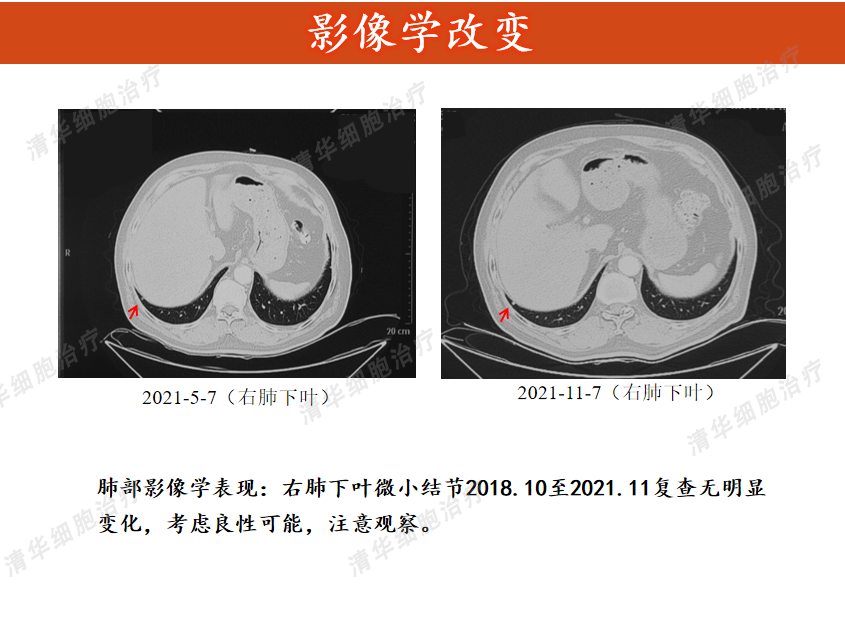
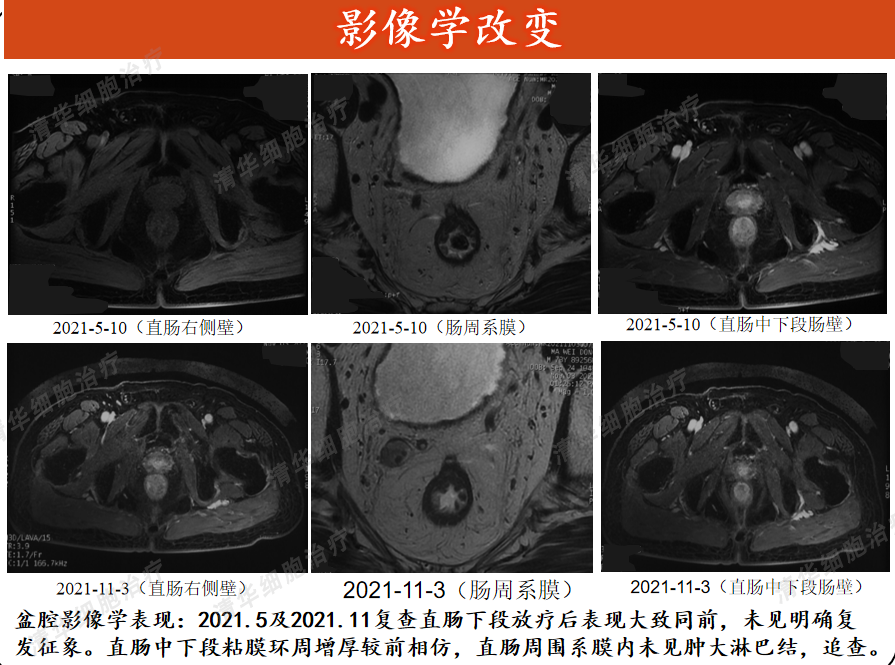
Chest CT imaging review indicated no significant changes in the small nodules in the right lower lobe from October 2018 to November 2021, suggesting a benign possibility. Pelvic MRI showed that the ulcerative lesion on the right wall of the lower rectum observed in November 2018 gradually improved in thickness from July 2019 to May 2020, and no definite recurrent lesions were found during the review from May to November 2021; no enlarged lymph nodes were observed in the mesorectum and the area where the superior rectal artery runs. Previous gastroscopy and enteroscopy did not reveal any signs of recurrence.
Tumor markers
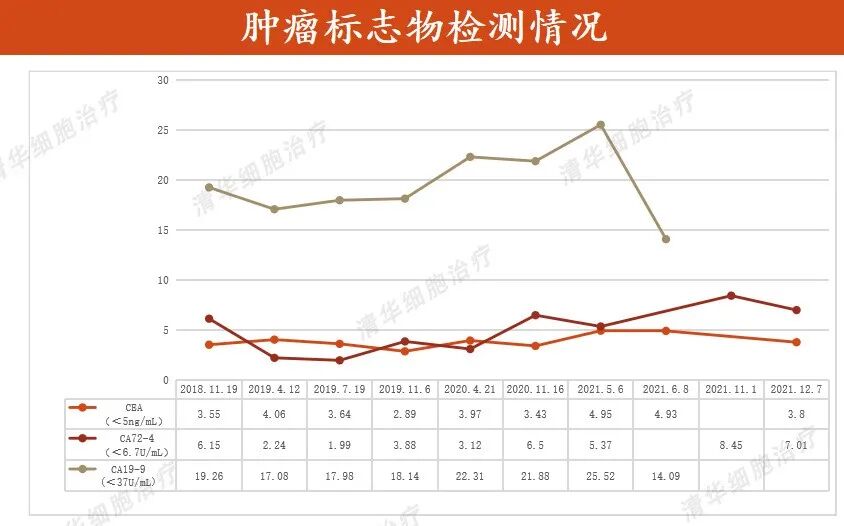
CA19-9 and CA72-4 are both within normal levels, while CEA was slightly higher than normal during the review in November 2018. It was within normal range from April 2019 to June 2021. CA72-4 was slightly higher than normal in November 2021, and CEA was slightly higher than normal on December 7, 2021. Close observation is advised.
Quality of Life
During the 36-month treatment, Mr. Ma's physical strength improved, his weight increased, and his mental, sleep, and appetite were all good; he maintained a normal living state, with a quality of life score of 91 points.
Conclusion
Mr. Ma was deeply concerned about the potential recurrence of his tumor despite not undergoing surgery. However, after undergoing NKT cell immunotherapy for 36 months, nearly four years, Mr. Ma showed no signs of recurrence or metastasis, and his overall condition was assessed as stable. The Tsinghua Cell Therapy Team has been continuously presenting and tracking cases of patients who have undergone NKT treatment for over a year, and annually releases the latest follow-up information. Friends from both within and outside the industry are welcome to evaluate and discuss these cases.
The information provided is for educational purposes only, and individual patients should seek clinical medical advice.