Contact Us Careers
Breast Cancer

After breast cancer surgery, enhance health awareness to prevent recurrence and metastasis

时间:2026-04-16 人气:

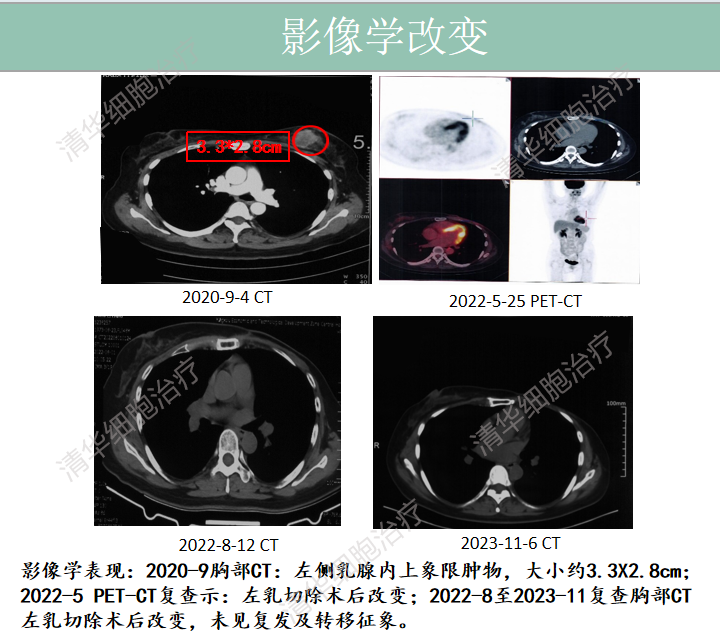
Ms. Dong discovered a lump in her left breast in 2014. On September 5, 2020, a biopsy revealed: (left breast) invasive breast cancer, (left axillary lymph nodes) cancer cells detected, (left supraclavicular lymph nodes) cancer cells detected, and (left infraclavicular lymph nodes) cancer cells detected.
In September 2020, she underwent six courses of neoadjuvant chemotherapy (docetaxel + carboplatin + double-target), followed by double-target therapy plus oral capecitabine for three months until before surgery.
On May 10, 2021, she underwent modified radical mastectomy for left breast cancer. Postoperative pathology showed: (after neoadjuvant chemotherapy for left breast cancer), no residual cancer cells were found in the breast tissue of the left breast and axillary lymph nodes, with partial ductal epithelial hyperplasia, calcification visible in the lumens, stromal fibrous tissue proliferation with hyaline degeneration, and no special findings in the nipple and bottom resection margin; lymph nodes showed chronic inflammation (station 0/0, lateral 0/2, axillary 0/18). Immunohistochemical results: AE1/AE3 (+), CD68 (+), CK5/6 (+), ER (strongly positive, 80%), PR (-), AR (strongly positive, 80%), Her-2 (1+), Ki-67 (index 3%), P53 (-), CK14 (+), CK5/6 (+), EGFR (+), P63 (+).
After surgery, she underwent 25 rounds of radiotherapy and started with anastrozole + goserelin injection + double-target therapy. The last double-target treatment was on September 23, 2022 (later discontinued due to myocardial ischemia), and a gynecological ultrasound in November 2022 showed signs of menopause, so goserelin was discontinued and endocrine therapy with anastrozole was continued.
 
Tips for Post-Breast Cancer Surgery Recovery  
 

Early exercise after breast cancer surgery is a crucial part. Many patients believe that the wound has not fully healed and they need to wait until it heals before exercising. However, this is not the case. The wound after breast cancer surgery takes at least 1 to 2 weeks to fully heal. If there are unexpected situations such as wound infection, the healing time will be extended accordingly. If functional exercise is performed at this time, the scar has already adhered to the surrounding tissue, and patients may find that they cannot lift their arms or raise them to the same extent as before.

Let me share some methods of postoperative exercise:

1. Elbow pushing exercise: Place the affected arm on the opposite shoulder, and use the unaffected hand to help push it outward and upward.

2. Elbow pulling exercise: Cross your hands behind your neck, open your elbows parallel to your shoulders, and then pull both elbows forward until they touch each other.

3. Arm swinging: Lean forward, let the affected arm hang naturally, and use your shoulder to swing it back and forth. At the same time, gradually increase the amplitude and range of the swing.

4. Rope Exercise: Tie the rope to the door handle and hold the end with both hands, swinging the arms longitudinally in a clockwise and counterclockwise direction. Simultaneously, gradually increase the range of swinging.

5. Rearward Arm Lifting: Hold the ends of a towel behind your back with both hands, and lift the affected arm upward with the healthy arm.

6. Wall Climbing Exercise: Hold both hands against the wall, move your fingers upward along the wall until the wound is tightened or you feel slight pain, and make a mark on the wall to check progress.

7. Ear Touching Exercise: Raise the affected arm above your head, touch the opposite ear, and keep your neck straight.

Precautions: Exercise should be done according to your ability, as excessive exercise can affect wound healing. Rehabilitation training should be gradual and persistent.

Emotional regulation should not be ignored: Breast cancer is a chronic disease, and surgical treatment is only an early step in the treatment process. Overall, fighting cancer is a long-term battle, and lifestyle changes may occur later on. Patients should learn to accept themselves gradually, recognizing that being diagnosed with breast cancer does not mean becoming disabled or losing feminine charm. Only by first accepting oneself can one gain the acceptance of others.  
At the same time, family members should open up, understand each other's thoughts, seek ways to solve difficulties together, and go through this difficult period together.  
Source:

1. Lei Huiju. 4 Key Points for Postoperative Rehabilitation of Breast Cancer [J]. Family Medicine. Happy Health, 2023, (08):25.

2. Wang Xiang. Postoperative Rehabilitation Exercise and Follow-up for Breast Cancer Patients [J]. Population and Health, 2023, (04):89-91.
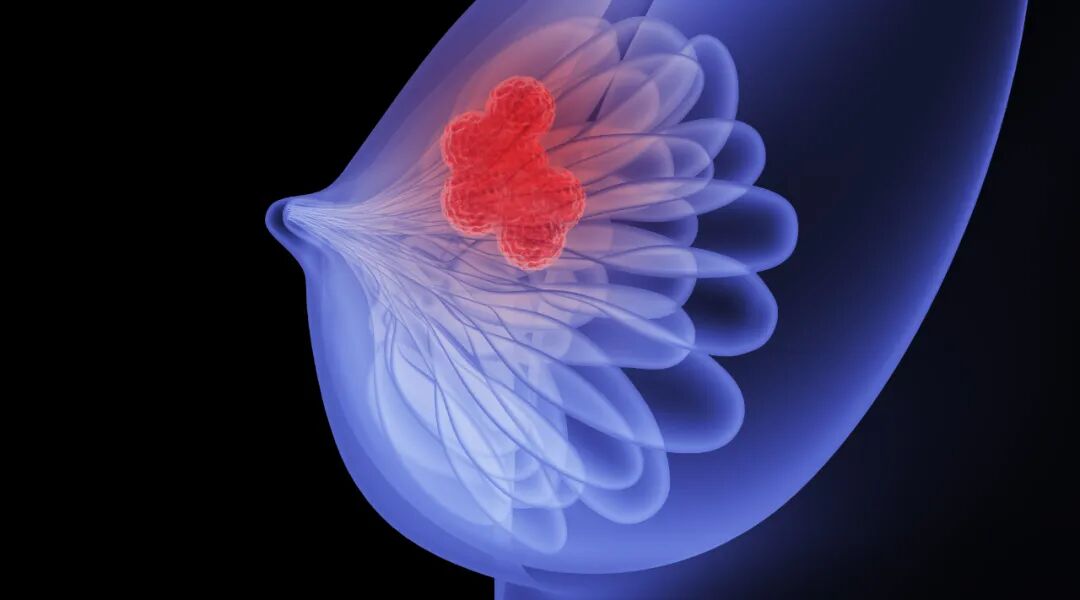
To prevent tumor recurrence, after extensive research, Ms. Dong sought the assistance of Professor Zhang Minghui's vNKT treatment team at Tsinghua University School of Medicine. After carefully reviewing the case presentation of vNKTcell therapy, she particularly hoped to try it to delay tumor progression.
After Professor Zhang Minghui's medical team evaluated Ms. Dong's medical history, they made the following analysis and judgment:
1. The puncture case showed: Cancer cells were found in the left axillary lymph nodes, left supraclavicular lymph nodes, and left infraclavicular lymph nodes. This suggests a risk of recurrence and metastasis.  
 

2. Before undergoing surgery, Ms. Dong received neoadjuvant chemotherapy, which can improve tumor resection rate and reduce the risk factors for tumor recurrence.

3. Ms. Dong underwent a modified radical mastectomy, which is associated with a local recurrence rate of approximately 10% to 30% in some patients.

4. vNKT therapy utilizes powerful immune cells to eliminate tumor cells that may remain undetected in the body, with essentially no side effects. Combining vNKT cell therapy after surgical treatment can effectively reduce the incidence of tumor recurrence after surgery.
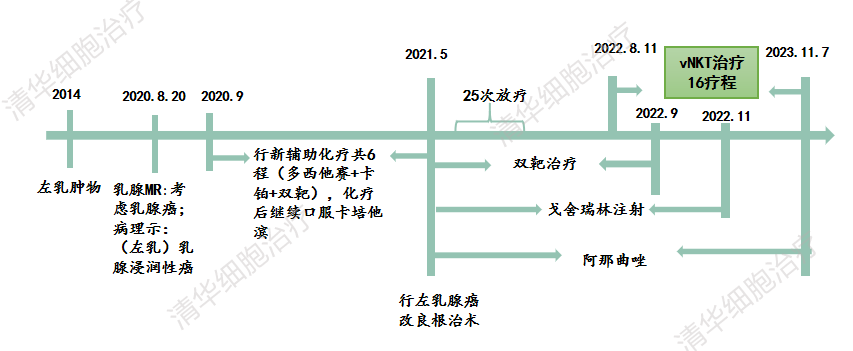
 

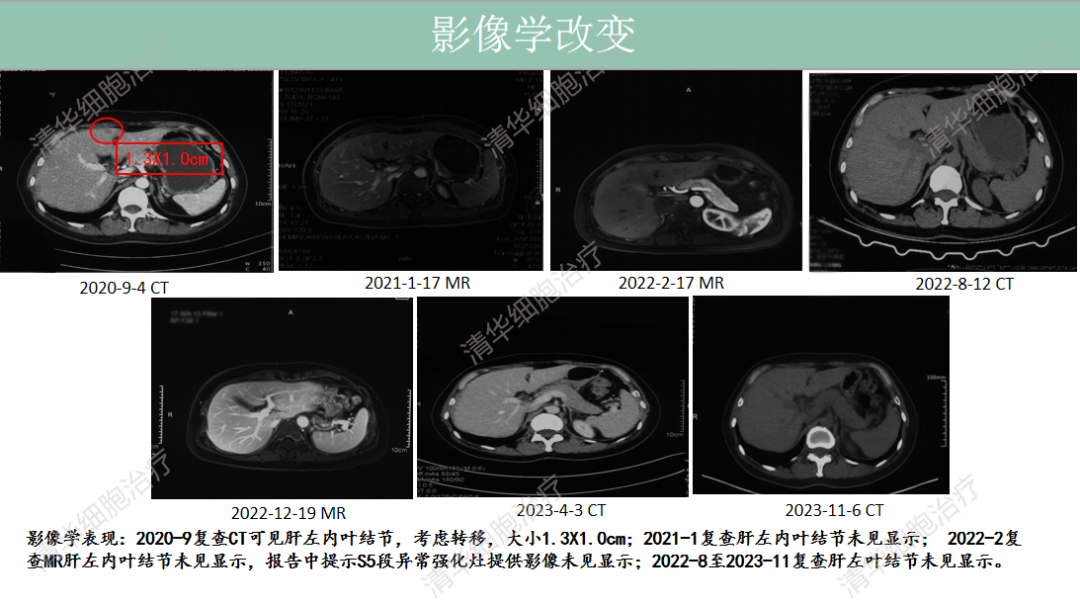
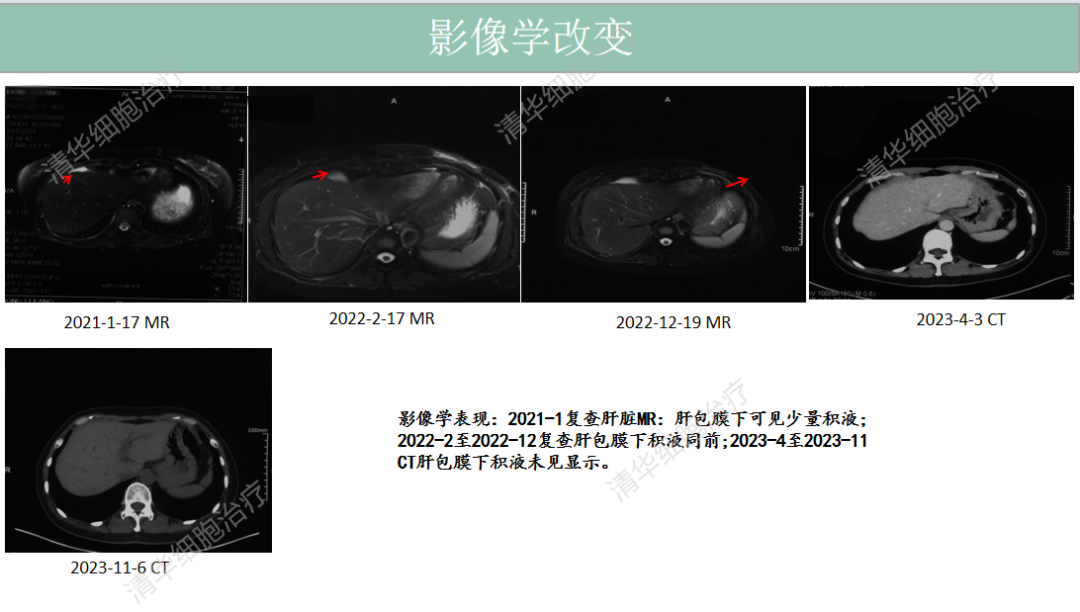
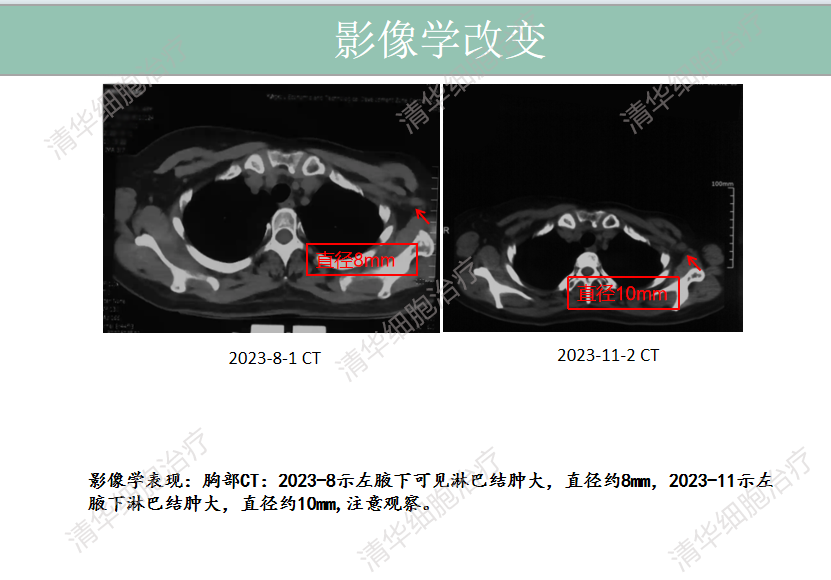
Ms. Dong started vNKT cell therapy on August 11, 2022, with a regimen of one session per month. By November 7, 2023, a total of 16 sessions of cell therapy had been completed. During this period, her condition remained stable with no special discomforts.

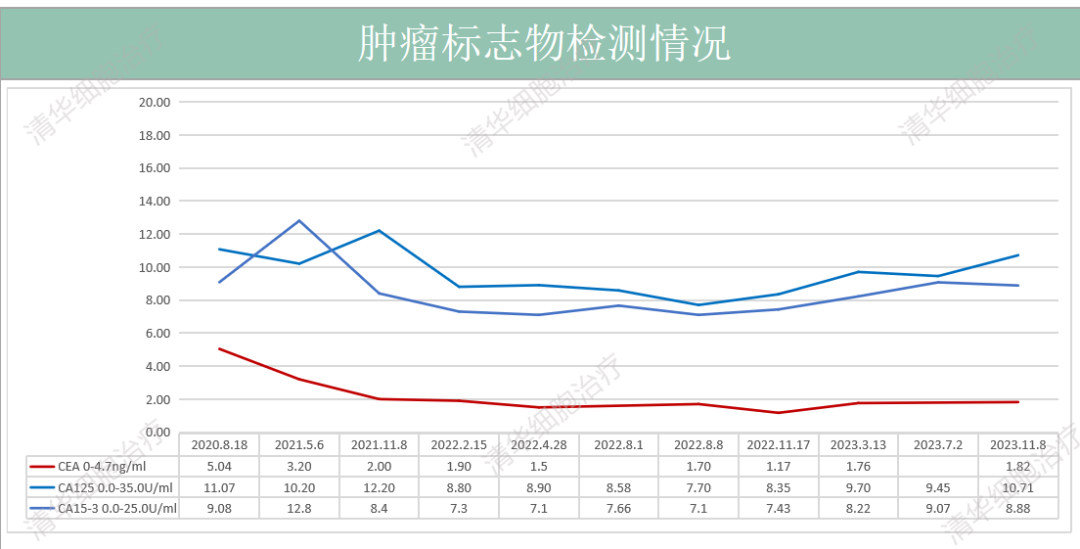
CEA: The tumor marker exceeded the normal range in August 2020, but remained within the normal range from May 2021 to November 2023;

CA125 and CA153: Both were within the normal range during follow-up examinations from August 2020 to November 2023.

Breast cancer ranks first among female malignant tumors. It is estimated that over 1.67 million women worldwide are diagnosed with breast cancer each year. China is a high-incidence country for breast cancer, with nearly 200,000 new patients diagnosed annually, and the trend continues to rise [1, 2]. Modified radical mastectomy is a common method for treating breast cancer, primarily applicable to early-stage breast cancer patients who are not suitable for breast-conserving surgery and those with positive axillary lymph nodes. It can significantly improve patients' conditions and enhance clinical treatment outcomes[3]. However, a certain proportion of patients still experience recurrence and metastasis after surgery, affecting their prognosis[4]. Although surgery can control the progression of the disease, there is still a risk of recurrence. Patients must enhance their health awareness and behavior. Adopt safe and reliable treatment measures, ensure adequate rest, avoid staying up late, and refrain from smoking and drinking. Only by maintaining a healthy lifestyle can one maximize the guarantee of their own health.
After completing breast-conserving surgery for breast cancer, Ms. Dong underwent 25 rounds of radiotherapy, dual-target therapy, and endocrine therapy, which traumatized her body's immune system. To achieve better results, vNKT cell therapy was adopted to eliminate residual cancer cells and strengthen the immune system.
Ms. Dong achieved the expected results after undergoing vNKT cell therapy. Her hair turned black and her hair quality improved; The skin color changes from dull, yellowish, and rough to ruddy, delicate, fair, and translucent, with a reduction in the frequency or severity of skin allergies. One feels more energetic than before, and the number of colds and fever in spring and winter decreases.

References:

[1]SiegelRL, MillerKD, FuchsHE, et al. Cancer Statistics, 2021[J]. CACancerJClin, 2021, 71(1):7-33
[2]XiaC, DongX, LiH, et al. Cancer statistics in China and the United States, 2022: profiles, trends, and determinants[J]. ChinMedJ(Engl), 2022, 135(5):584-590
[3]Chinese Society of Surgery, Breast Surgery Group. Clinical Practice Guidelines for Modified Radical Mastectomy in China (2022 Edition)[J]. Chinese Journal of Practical Surgery, 2022, 42(2):128-131
[4]IshibashiN, NishimakiH, MaebayashiT, et al. Partial chest wall radiation therapy for positive or close surgical margins after modified radical mastectomy for breast cancer without lymph node metastasis[J]. AsiaPacJClinOncol, 2020, 16(1):28-33

Click on the image

to view