About Lehe
乐于心,和与众,与己乐,与人和; 心宽念纯,百病无生。

乐于心,和与众,与己乐,与人和; 心宽念纯,百病无生。


“ I have been fighting cancer for 5 years, but I almost lost to joint pain .. "
breast cancer is the" number one killer "of women's health. Endocrine therapy is one of the important treatment methods of, but many patients are in the long process oftreatment63>, due to joint pain, osteoporosis and other problems, the treatment pause button was forced to be pressed. Research shows that the incidence of bone and joint pain inbreast cancer patients receiving endocrine therapy is as high as73.7%, of which about 70% of joint pain causes treatment interruption or failure to complete the course of treatment, which seriously affects the treatment effect and prognosis of patients, andfurther increases the recurrence and death risk of patients[1].
How to fight cancer while protecting your joints?
Overview of the illness
In 2019, Ms. Liu was diagnosed with invasive breast cancer in her left breast. Postoperative pathology revealed invasive breast cancer with high-grade intraductal carcinoma in the left breast mass, with a maximum diameter of approximately 1.1cm, and local suspicious intravascular cancer thrombus, with no clear neural invasion. Pathological TNM staging: pT1cN2a. Immunohistochemical results: CD31 (indicating intravascular cancer thrombus), d2-40 (indicating intralymphatic cancer thrombus), ER (approximately 90%+), PR (approximately 90%+), CerbB-2 (+++). Axillary lymph node biopsy showed metastatic cancer: 4/12 lymph nodes, and sentinel lymph node biopsy showed metastatic cancer in 2/4 lymph nodes.
After undergoing breast-conserving surgery, chemotherapy, radiotherapy, and dual-target therapy, she began endocrine therapy with exemestane for 5 years. However, after 1 year of treatment, finger stiffness and knee joint pain persisted, even affecting her daily walking.

" Every time I take the medicine, it feels like gambling, not taking it for fear of recurrence, but taking it causes so much pain that I can't sleep.”
This is the real dilemma faced by countless breast cancer patients.Endocrine drugs block tumor growth by suppressing estrogen, but a sudden drop in estrogen can directly accelerate bone loss and induce inflammatory reactions,forming a vicious cycle of ""pain→treatment interruption→increased risk of recurrence.".
Ms. Liu has been troubled by the side effects of endocrine drugs and the high risk of recurrence and metastasis with the dual attack of and high levels. She has been seeking new treatment options, hoping to be able to free herself from both physical and mental suffering.
Traditional treatments can remove visible tumors, but they are helpless against latent micrometastases.
Postoperative pathology reveals vascular thrombi and lymph node metastasis, indicating that cancer cells have broken through tissue barriers and could potentially spread throughout the body via the blood and lymphatic systems at any time. . These concealed “ticking bombs” pose a potential risk of recurrence and metastasis.
In order to break the deadlock, Ms. Liu learned about Professor Zhang Minghui's vNKT cell therapy technology at Tsinghua University School of Medicine, which may become her new hope for treatment. Unlike traditional treatments , vNKT cell therapy uses natural lymphocytes that have not been genetically modified and are activated and expanded in vitro before being reinfused
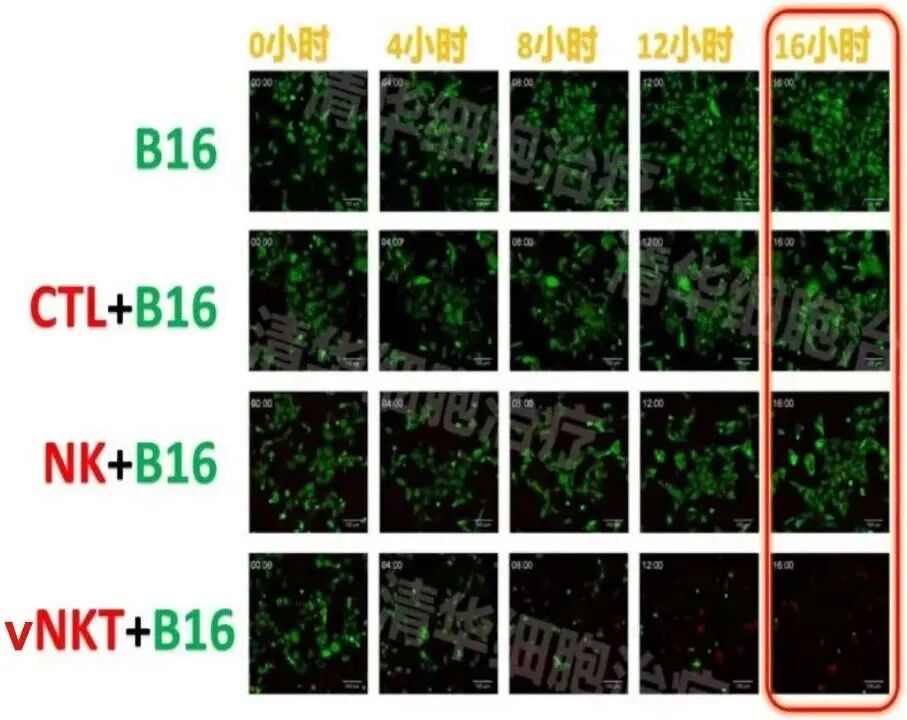
Experimental conditions: In the presence of vNKT cells, after 16 hours, nearly all B16 tumor cells were killed!
Ms. Liu has been undergoing vNKT cell therapy since March 2021, with a total of 22 treatment courses completed as of September 23, 2024. During the treatment period, no signs of recurrence were observed. Surprisingly, Ms. Liu experienced relief from bone pain during the NKT cell therapy. Currently, she has completely recovered from the pain
Imaging changes
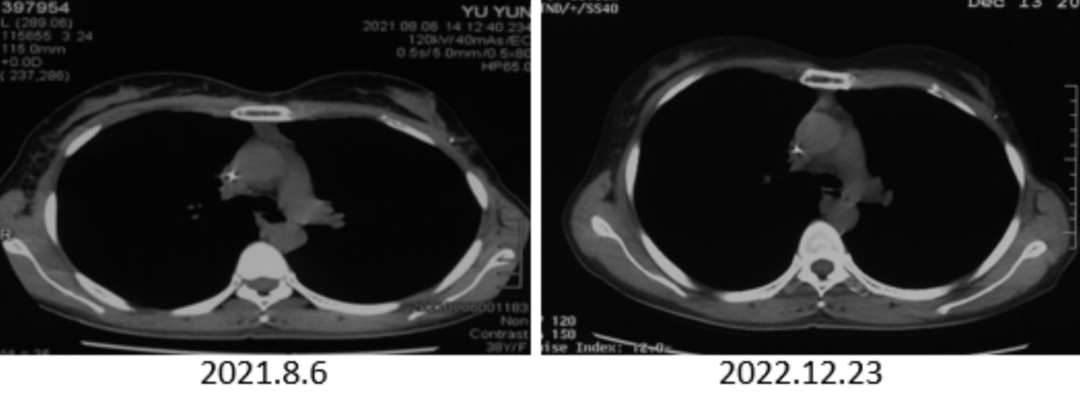
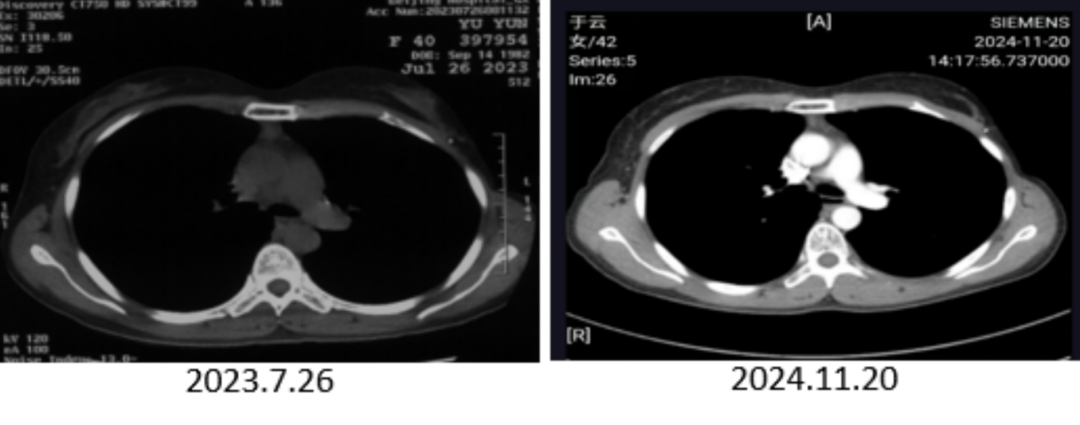
Chest imaging shows: From August 2021 to November 2024, after breast conserving surgery on the left breast, no clear signs of tumor recurrence or metastasis were observed in the chest.
1. Hot compress + keep warm to reduce joint burden
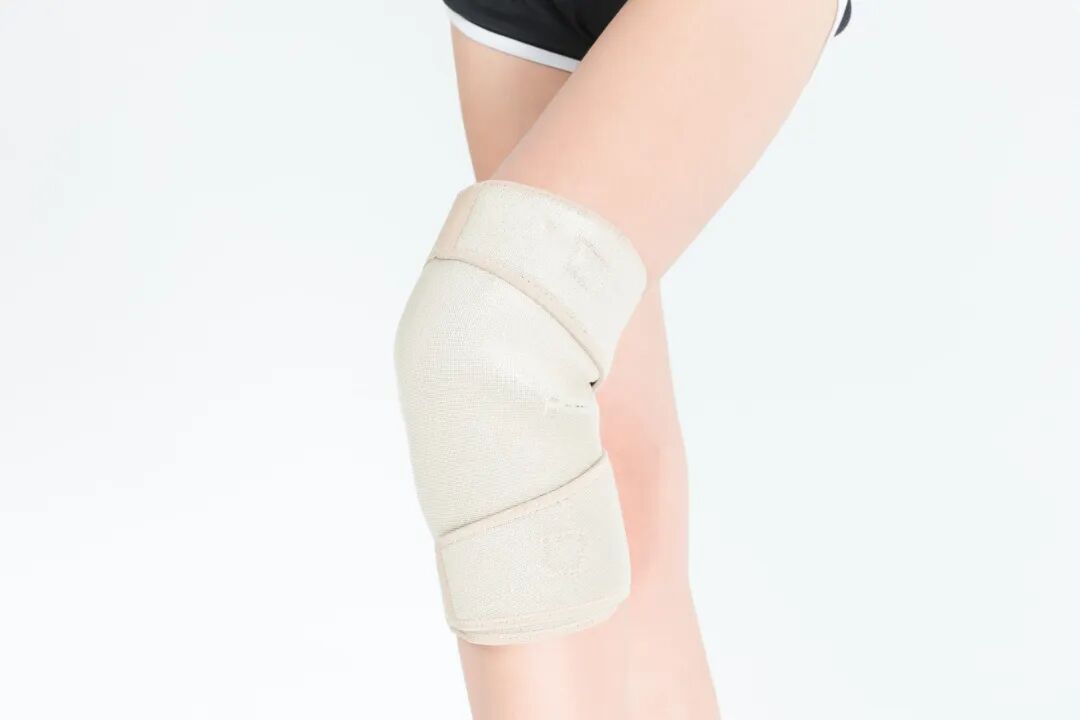
* Keep joints warm : Cold stimulation can easily exacerbate joint pain, so it is important to keep joint areas warm. When going out in cold weather, wear warm protective gear such as knee pads and wrist guards to protect joints.
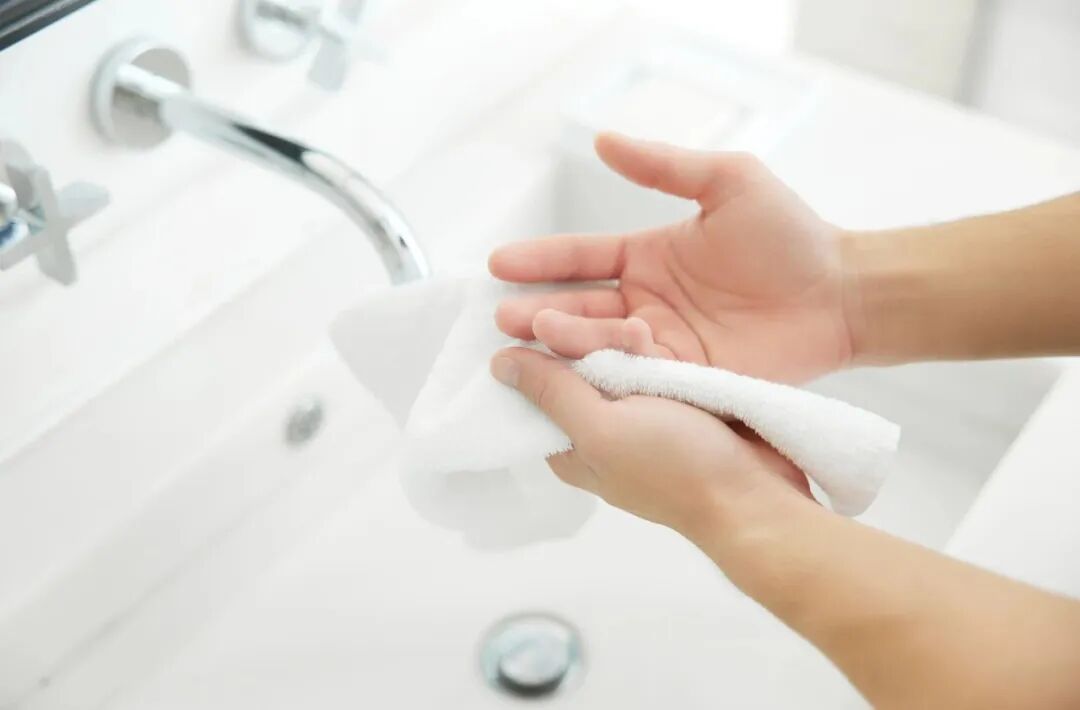
* Hot compress for relief :Use hot compress with tools such as hot towels or hot water bags on painful joints for 15-20 minutes each time, 2-3 times a day. Hot compress can promote blood circulation in the joint area, reduce inflammatory reactions, and alleviate pain. However, it is important to control the temperature of the hot compress to avoid burning the skin.
2. Nutritional fortification to build a strong "bone shield"
* Increase nutrient intake :Consume more dairy products such as milk, yogurt, and cheese, as well as foods rich in high-quality protein such as eggs, lean meat, and fish. Meanwhile, soy products, nuts, and seafood are also good sources of calcium and phosphorus.

* Maintain a balanced diet :Focus on the diversity and balance of diet, increase the intake of fresh vegetables and fruits in moderation, and supplement with nutrients such as vitaminC and vitamin K, which are beneficial for promoting bone health.

3. Pharmacotherapy, effective for pain relief
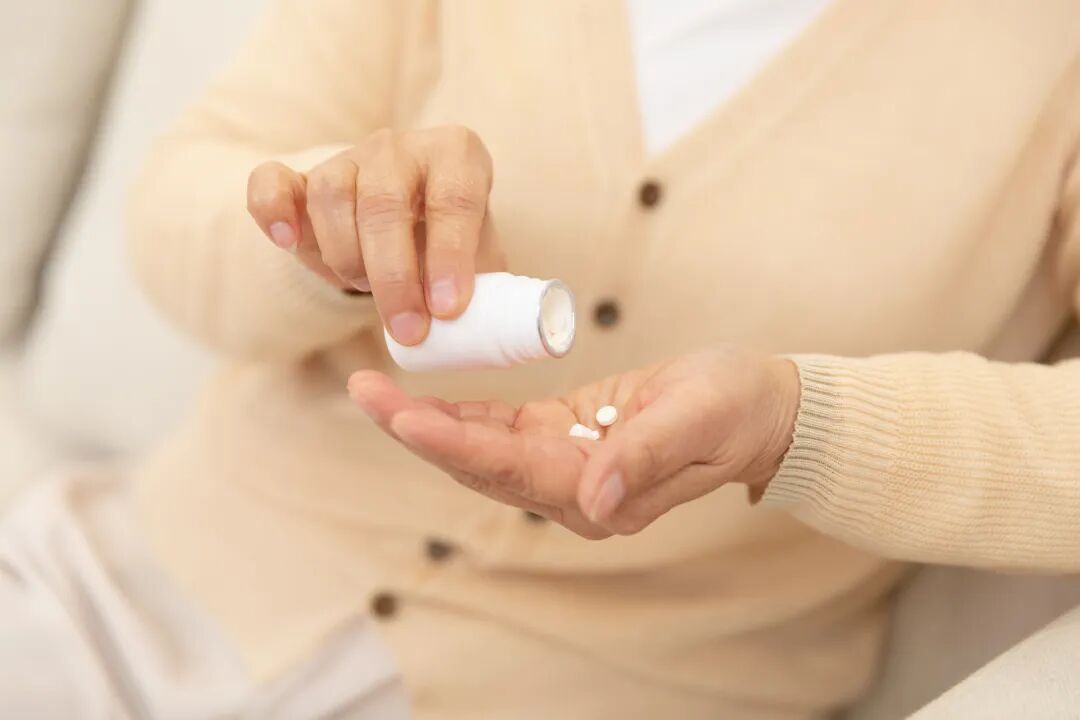
For patients with severe pain, non-steroidal anti-inflammatory drugs (NSAIDs) such as ibuprofen sustained-release capsules and celecoxib capsules can be used under the guidance of a doctor. These drugs can effectively alleviate pain. However, patients should pay attention to the side effects and contraindications of the drugs, strictly follow the doctor's advice, do not increase or decrease the dosage or discontinue the medication on their own, and regularly provide feedback to the doctor on the efficacy and adverse reactions of the medication, so that the doctor can adjust the treatment plan in a timely manner.
4. Low-impact exercises
It is recommended to choose exercises that impose minimal burden on joints, such as walking, swimming, and yoga. These exercises can enhance muscle strength to protect joints while avoiding excessive joint loading. Special attention should be paid to: Avoid high-impact actions such as running, jumping, and deep squats , as these actions can instantly increase knee joint pressure, causing damage to the knee joint .
Conclusion and Commentary
Ms. Liu's experience in fighting cancer confirms the long-term nature of breast cancer treatment: Surgical resection is just the starting point, and postoperative management requires a balance between standardized treatment and active defense. On the one hand, regular administration of endocrine drugs (such as exemestane) is the cornerstone for suppressing the recurrence of estrogen-dependent tumors, and arbitrarily discontinuing medication may undermine the previous treatment efforts; on the other hand, high-risk factors such as vascular thrombi and lymph node metastasis can be addressed through vNKT cell therapy to eliminate hidden lesions
as Professor Zhang Minghui emphasizes: “The comprehensive management of breast cancer requires a balance between offense and defense—it is necessary to suppress cancer cells through standardized treatment while also rebuilding the immune system's dynamic monitoring capabilities. "This strategy of traditional treatment to control the disease , and immunotherapy to prevent risks is providing a new path for more patients to extend their disease-free survival period.
References:
[1] Wang Lijie, Peng Siyi, Chen Jiejun, et al. Development trajectory and nursing implications of endocrine therapy-related osteoarthritis pain in breast cancer patients [J]. Chinese Journal of Nursing, 2024, 59(14):1732-1738.
If you or your family members are facing a dilemma in treatment choices, scan the QR code below to add our assistant on WeChat, and you can:
* Obtain a second opinion from Professor Zhang Minghui: a personalized treatment plan , with professional support to help you find the most suitable survival strategy .
* Join the anti-cancer support community: share experiences with more patients and receive support from real-life cases .

Scan QR code
Communicate with Professor Zhang Minghui's team
Founder of Lehe New Medicine
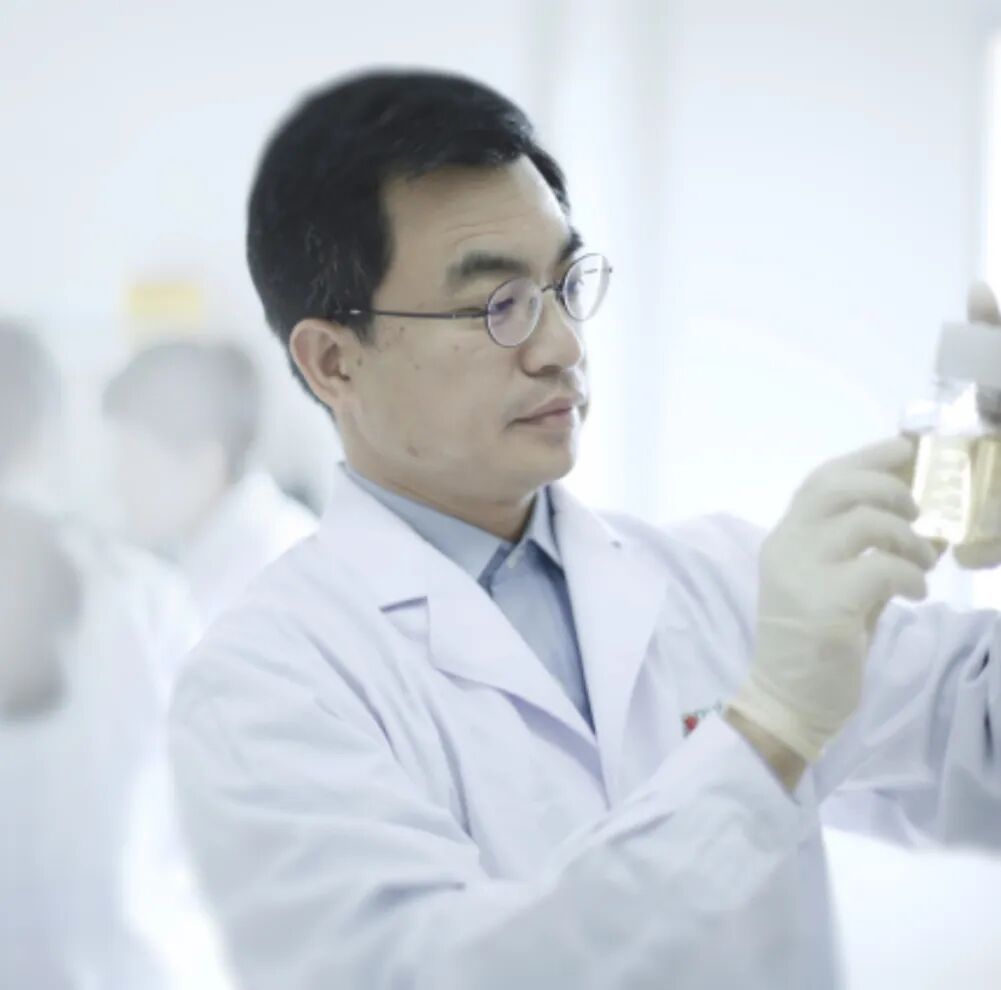
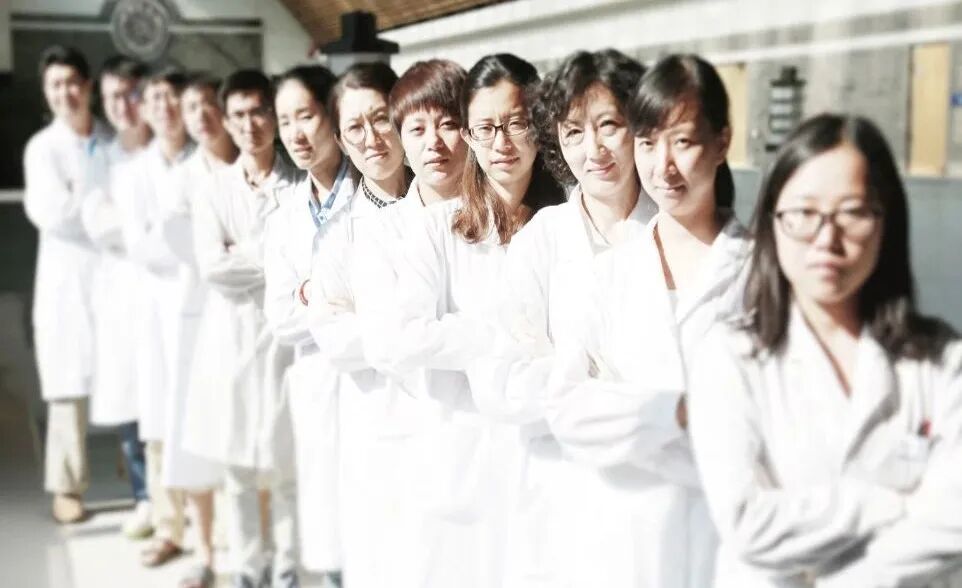
Professor Zhang Minghui, who holds a PhD in Immunology from Tsinghua University School of Medicine, has led a research team for over 20 years since the discovery of vNKT cells in 2002. They have accumulated treatment experience in over 700 cases of solid tumors, covering almost all common solid tumors. The research results fully demonstrate the great value of vNKT cells in the treatment of solid tumors.
It is suitable for patients with high pathological malignancy or a risk of recurrence after surgery; patients whose tumors have been basically controlled but not cured through conventional treatments such as chemotherapy, radiotherapy, and targeted therapy; patients with persistent high carcinogenic factors; and patients who are intolerant to radiotherapy and chemotherapy. If these patients do not receive effective follow-up treatment after traditional anti-tumor therapy, recurrence, metastasis, or reoccurrence of tumors will be highly probable. In this case, vNKT cell therapy is an ideal follow-up treatment method that can significantly improve patient prognosis.
Click on the image to view past exciting content


Address: Room 1101 (Unit 101), 11th Floor, Building 1, No. 7 Courtyard, Kexueyuan Road, Life Science Park, Changping District, Beijing
Phone:010-8265 9866
Email:lehemedneo@hotmail.com