About Lehe
乐于心,和与众,与己乐,与人和; 心宽念纯,百病无生。
乐于心,和与众,与己乐,与人和; 心宽念纯,百病无生。

[Lehe Chronic Disease Rehabilitation Camp] is a pilot base for Lehe New Medicine, led by Professor Zhang Minghui, Director of the Cell Research Laboratory at Tsinghua University and founder of Lehe New Medicine, in collaboration with Boxian District Traditional Chinese Medicine Hospital. It aims to "initiate immunity and achieve healing without medication."
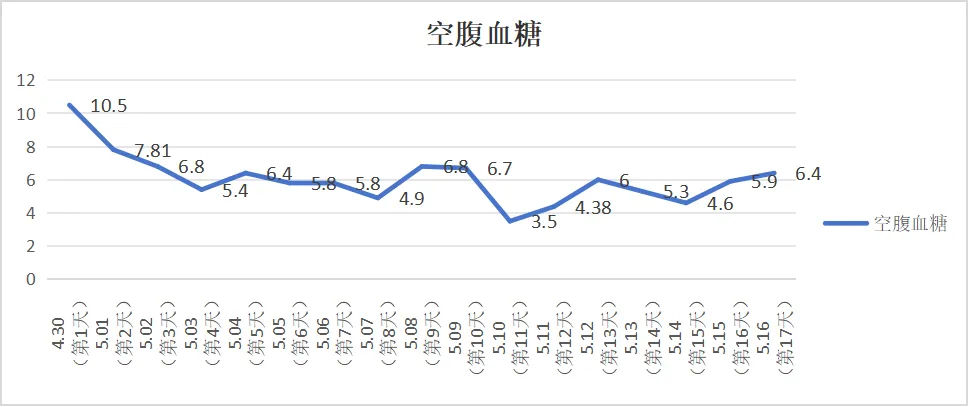
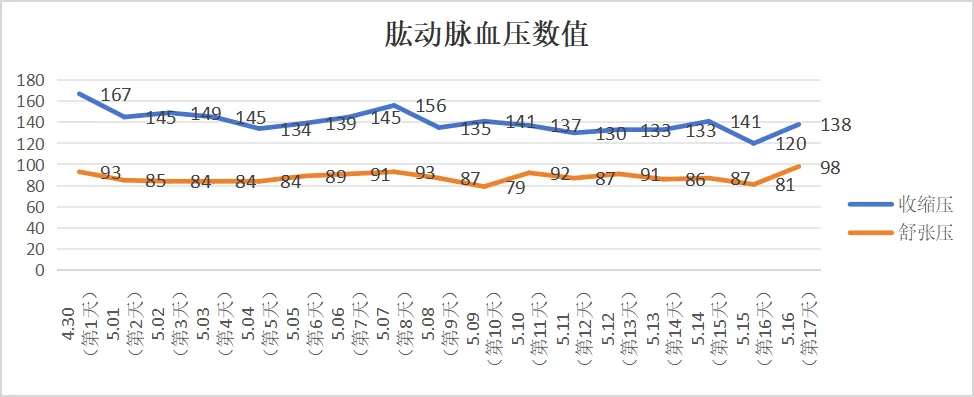
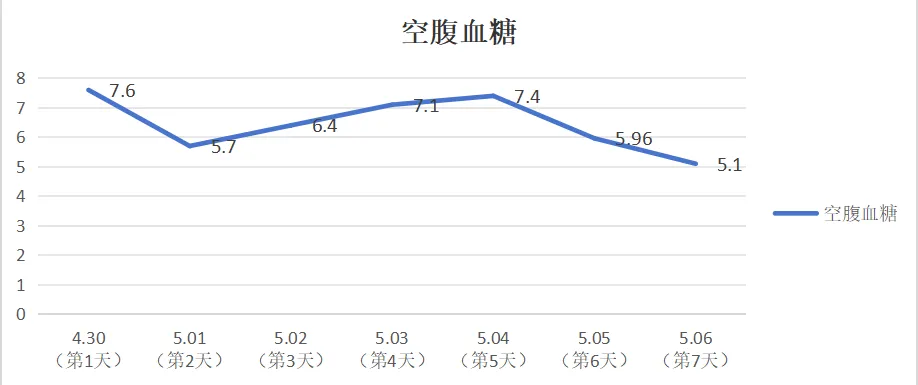
Every 5 seconds, one person dies from diabetes, and one in every 10 individuals has diabetes. This is the global diabetes data from the International Diabetes Federation (IDF) in 2021. According to the survey data from the IDF, as of 2021, the number of people aged 20-79 with diabetes in China has reached 141 million, making China the country with the highest number of diabetes patients in the world. Diabetes not only greatly disturbs patients' lives but also may lead to various complications, seriously threatening patients' life and health. However, modern medicine's treatment for diabetes currently remains at the stage of medication and insulin injection control, and it is impossible to effectively eliminate it. If insulin cannot control it, then there is nothing to be done. But Lehe New Medicine Chronic Disease Rehabilitation Camp can help diabetic patients who have already partially taken oral medications and used insulin to leave their dependence on medication and insulin, achieve stable blood sugar levels, and get rid of the troubles of diabetes . Lehe Chronic Disease Rehabilitation Camp Environment A case involving a 69 year-old female patient with a history of hypertension for nearly 20 years and type 2 diabetes. Basic condition: Diagnosed with type 2 diabetes in 2005, poorly controlled with oral medications for many years, currently using Degussa insulin lispro injection 20 units qdih, with fasting blood glucose levels ranging from 6.7 to 7.9 mmol/L and postprandial blood glucose levels ranging from 10 to 15 mmol/L 2 hours after meals. After the application of insulin, adverse reactions such as weight gain, edema, and subcutaneous tissue fat atrophy occurred. In 2004, the patient was diagnosed with hypertension, with blood pressure reaching up to 180/98mmHg. The patient usually takes one tablet of Valsartan and Amlodipine Tablets orally once daily, and the control is acceptable. Due to the use of insulin, the blood glucose could not be controlled within the normal range and even a series of adverse reactions occurred. Therefore, on April 30, 2024, the patient participated in the Lehexin Medical Chronic Disease Rehabilitation Camp , and stopped using antihypertensive and hypoglycemic drugs for 17 days during the camp . The following figure shows the changes in fasting blood glucose and blood pressure values after the patient stopped taking medication during the camp. Fasting blood glucose numerical change curve chart Note: The patient's fasting blood glucose level on the first day of admission was 10.5 mmol/L, and on the 17th day, it was 6.4 mmol/L. From the numerical change curve chart, it can be seen that the patient's blood glucose control was relatively stable during the hospitalization period. (Normal range of fasting blood glucose: 3.9-6.1 mmol/L) Brachial artery blood pressure numerical change curve chart Note: Before admission, the patient's systolic blood pressure was 167 mmHg and diastolic blood pressure was 93 mmHg. After admission, it gradually stabilized, with systolic blood pressure around 133 mmHg and diastolic blood pressure around 87 mmHg. (Normal range of blood pressure: systolic blood pressure between 120~139 mmHg;); Diastolic blood pressure is between 80~89mmHg) Summary of the Camp Experience: The dietary concept has changed, and the attitude towards reducing meat consumption has shifted from doubt to trust. The participant actively embraced the concept of reducing meat consumption, maintaining a good mental state and significantly alleviating anxiety, finding hope in healing without medication. During the period of reducing meat consumption, the participant successfully lost 6 kilograms without experiencing any significant discomfort, achieving a goal that had eluded them despite multiple attempts to lose weight in the past; During the camp, the participant discontinued antihypertensive and hypoglycemic medications, achieving stable control of blood pressure and blood glucose levels, and a series of adverse reactions caused by insulin use before entering the camp also disappeared ; the participant's daily step count exceeded 10,000, feeling energetic without experiencing fatigue; and the lips' cyanosis was significantly alleviated. A case of a 45 year-old female patient with a history of hyperlipidemia and type 2 diabetes mellitus II. Basic condition: In 2023, an elevated fasting blood glucose level was observed, with a peak of 10 mmol/L. Currently, she is taking one tablet of Dapagliflozin once daily orally, but the control is inadequate. Past Medical History: Hypothyroidism was discovered in 2015, and the patient is currently taking half a tablet of Levothyroxine once daily. After taking Dapagliflozin orally, the blood glucose level still failed to stabilize at normal levels. The patient participated in the Lehexin's Chronic Disease Rehabilitation Camp on April 30, 2024, and stopped taking hypoglycemic drugs and Levothyroxine for 7 days during the camp. The following figure shows the changes in fasting blood glucose levels after the patient stopped taking medication during the camp. Fasting Blood Glucose Level Change Curve Chart Note: The patient's fasting blood glucose level on the first day of the camp was 7.6 mmol/L, and on the seventh day it was 5.1 mmol/L. From the numerical change curve graph, it can be observed that although the patient's blood glucose levels fluctuated during the camp period, they were all lower than the first day's value upon entering the camp. By the seventh day when leaving the camp, the fasting blood glucose level had returned to normal. (Normal range of fasting blood glucose: 3.9-6.1 mmol/L) Summary of leaving the camp: The patient's mental state was good, During the camp period, hypoglycemic drugs and Euthyrox were discontinued, and there were fluctuations in fasting blood glucose levels, which stabilized on the sixth and seventh days of reducing food intake, with relatively ideal values 



During the camp, Lehexin Medical Chronic Disease Rehabilitation Camp aims not only to treat the physical symptoms of campers, but also to ideologically make patients realize that to completely cure their diseases, they must change their unhealthy lifestyles and dietary patterns. Even after returning to society and resuming normal work and life, they can still overcome their diseases and maintain their health.
Lehexin Medical Chronic Disease Rehabilitation Camp has been open for enrollment since 2023 and has held 29 sessions to date. Among them, more than 500 patients with conditions such as hypertension, obesity, and autoimmune diseases have achieved physical and mental reversals, improved their health concepts, and benefited their families and close associates.
So how does Lehexin Medical Chronic Disease Rehabilitation Camp achieve this?
Professor Zhang Minghui, the founder of Lehexin Medical, has conducted extensive research at the experimental and clinical levels, deeply realizing that serious chronic diseases such as cancer and hypertension are not the illness of one person but a family's illness, nor are they merely physical lesions but problems in both the body and mind as well as the environment. Treatment cannot merely focus on treating bodily symptoms, but also requires comprehensive intervention and improvement in the body, mind, and environment.
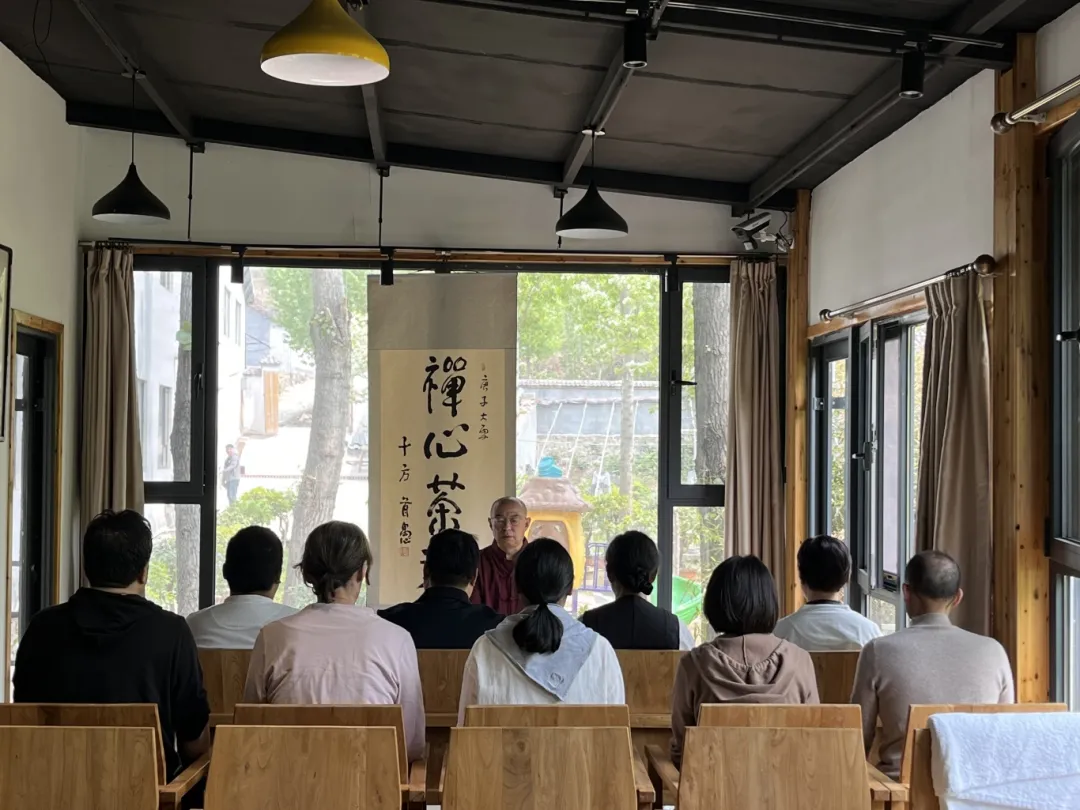
Teacher Qi Guang from Lehe Chronic Disease Rehabilitation Camp delivers a lecture
The camp will systematically analyze changes in human physiology, biochemistry, immunity, and gut microbiota, andemploy non-chemical conditioning methods such as immunity enhancement, dietary regulation, characteristic traditional Chinese medicine intervention, gut microecological nutrition, and positive psychological mindfulness trainingto rapidly eliminate metabolic and informational waste retained in the human body, achieve rapid energy conversion in body cells, and restart organ function and immunity, thus enabling rapid improvement in metabolic, endocrine, and immune diseases such as obesity, hypertension, type 2 diabetes, thyroiditis, enteritis, and arthritis,thereby opening the door to hope for campers to achieve self-directed physical and mental health.

Medical staff from Lehe Chronic Disease Rehabilitation Camp set up the venue for classroom activities
Currently, Lehe New Medical Chronic Disease Rehabilitation Camp, with its unique rehabilitation philosophy and significant treatment effects, has restored abnormal physical indicators of chronic disease patients such as diabetes to normal levels, achieved stable control, significantly improved their physiological state, and alleviated campers' anxiety and fear about their physical condition and future rehabilitation progress, bringing new hope to patients with chronic diseases.
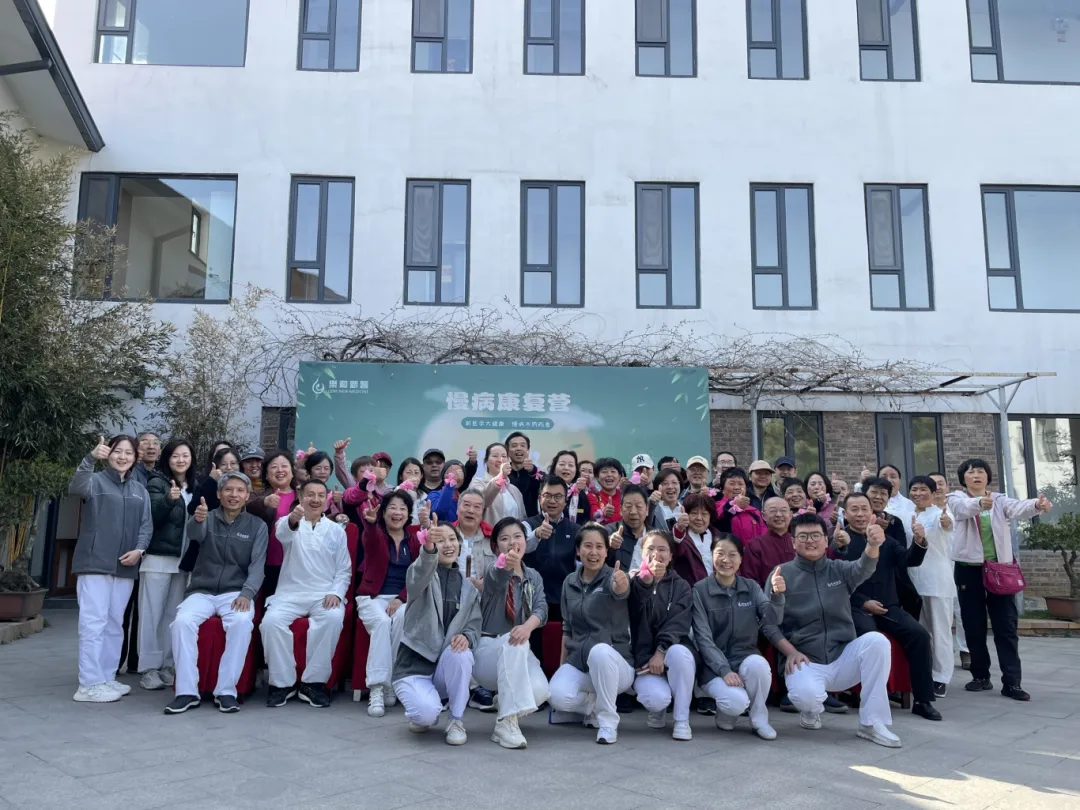
Group photo of campers from a certain session of Lehe Chronic Disease Rehabilitation Camp
If you are also troubled by the inability to effectively control blood sugar or other chronic diseases despite using medications and insulin, you are welcome to experience the Lehe New Medical Chronic Disease Rehabilitation Camp and give your body a chance to restart and heal itself!
For more information about the camp, please contact Lehe Assistant

Written by: Liu Fengmei
Edited/typeset by: Liu Fengmei
Reviewed by: Jing Jian, Wang Ying, Shan Qiguang, Gao Chen, Qiao Jiacheng

Address: Room 1101 (Unit 101), 11th Floor, Building 1, No. 7 Courtyard, Kexueyuan Road, Life Science Park, Changping District, Beijing
Phone:010-8265 9866
Email:lehemedneo@hotmail.com